
Fuxing Group manufactures mesh, vented, micro-perforated and printed stand-up produce bags for growers, packers and retail brands. Each program is defined by crop/variety, fill weight, structure, closure, ventilation, print, temperature and route; shelf-life performance is validated with the actual product.
PE, PP, CPE, OPP and POF structures are available, with gravure or flexographic printing selected by program. Buyers should state the destination market, intended use and required food-contact documents; declarations and reports must be confirmed for the quoted material, SKU and plant. Bags can ship from China, Vietnam or the Philippines and may be consolidated with PP corrugated produce boxes and export cartons.
Which produce bag should I use? First define crop and variety, maturity, fill weight, temperature, time, closure, presentation and market. Then compare mesh, macro ventilation, micro-perforation or zipper formats through a specification and trial. Film thickness, hole pattern and MOQ are confirmed per SKU; there is no universal combination by crop name.
The premium retail format: stands on the shelf, resealable zipper keeps produce fresh after opening, die-cut handle makes it grab-and-go. Ideal for citrus, pears, tomatoes, cucumbers, onions and potatoes. Options: anti-fog film, ventilation holes, high-gloss gravure printing up to 8 colors.
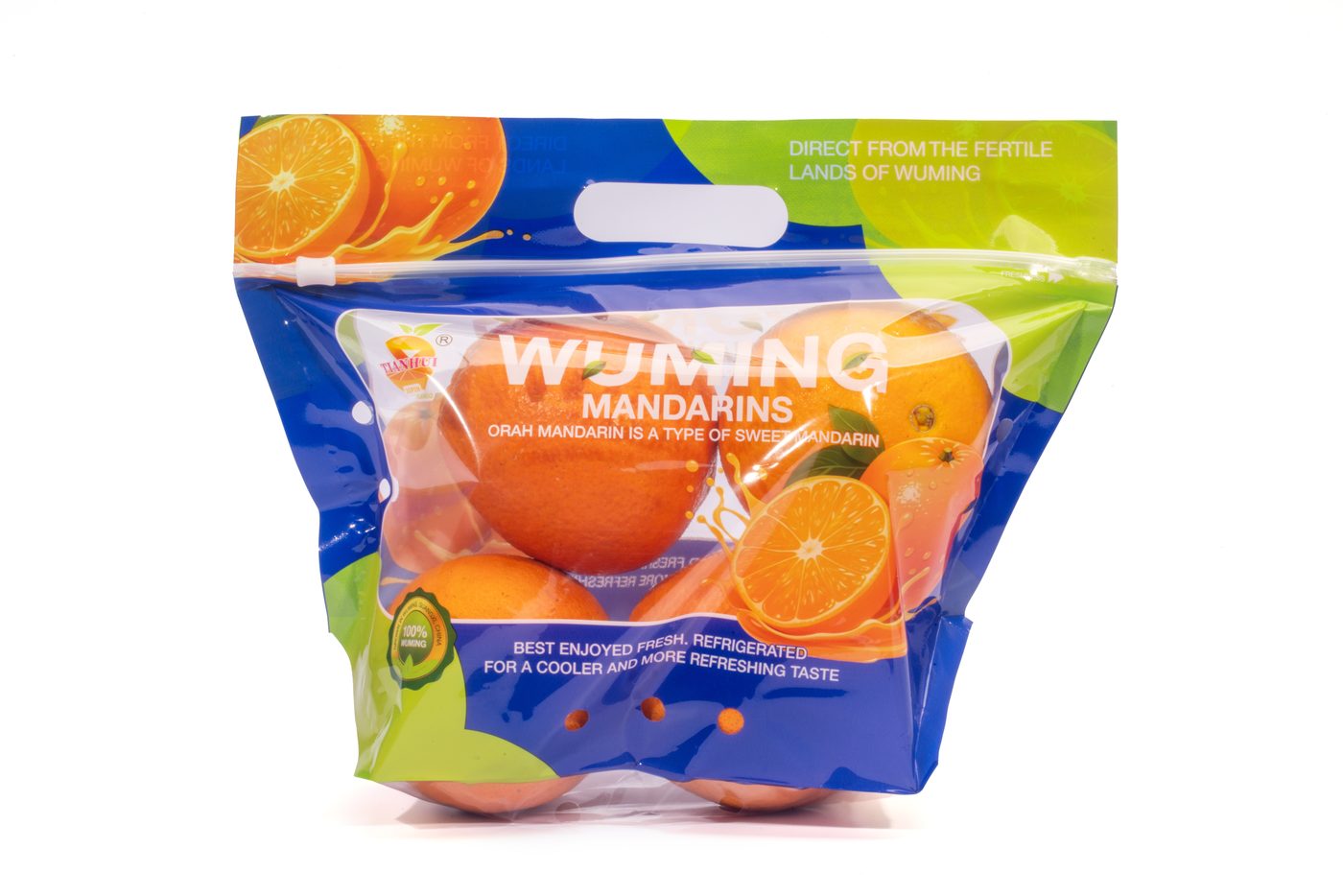
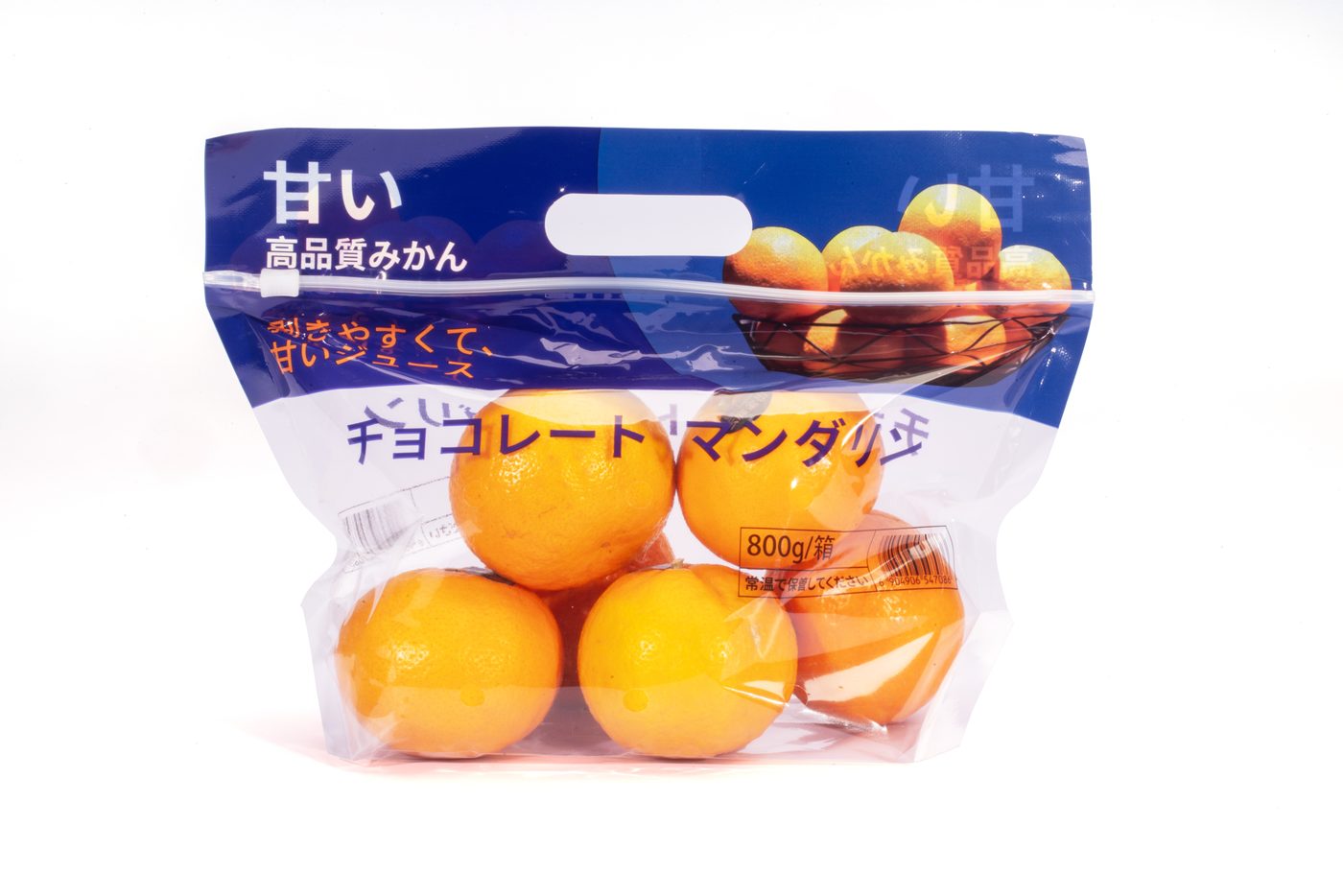
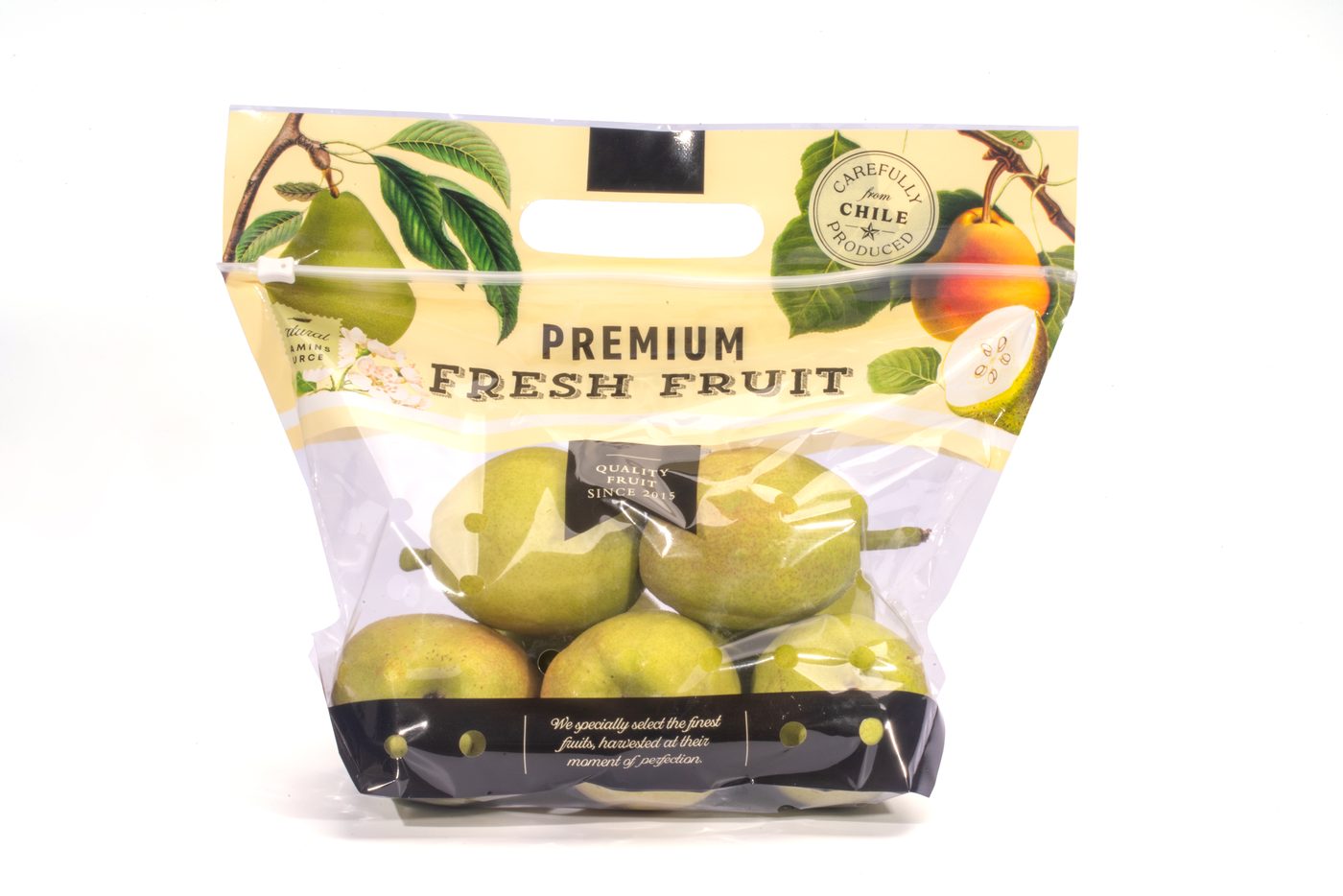
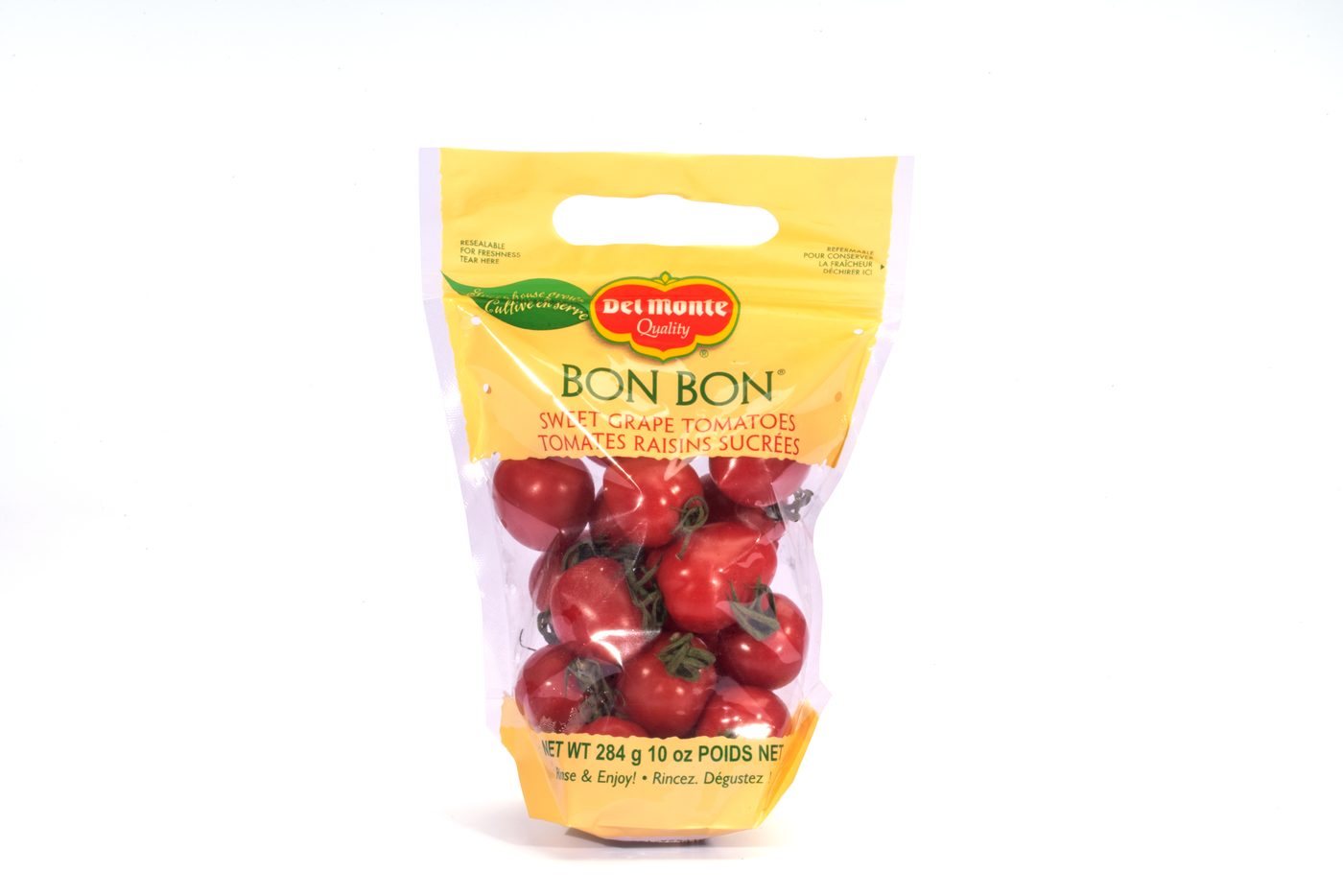
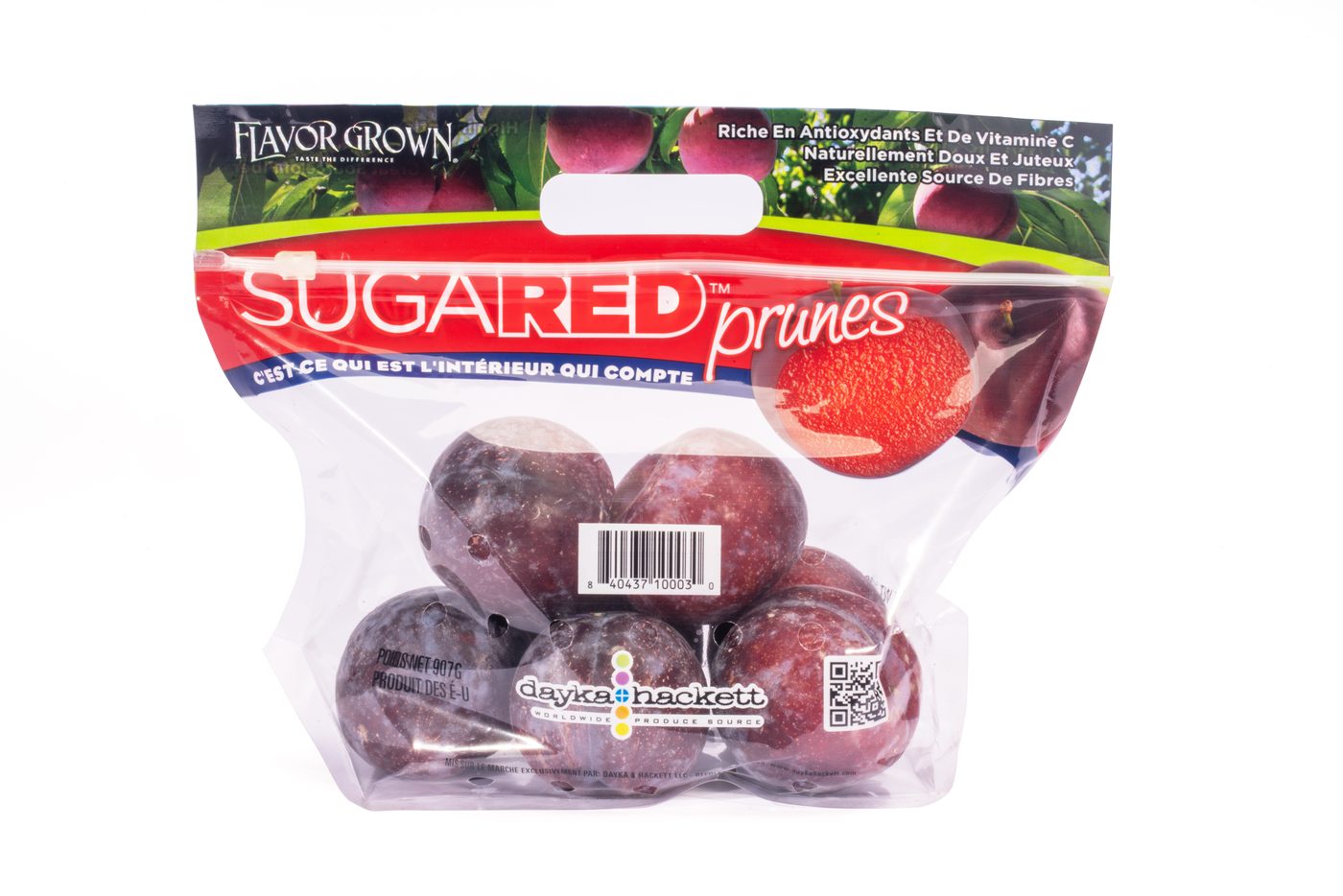
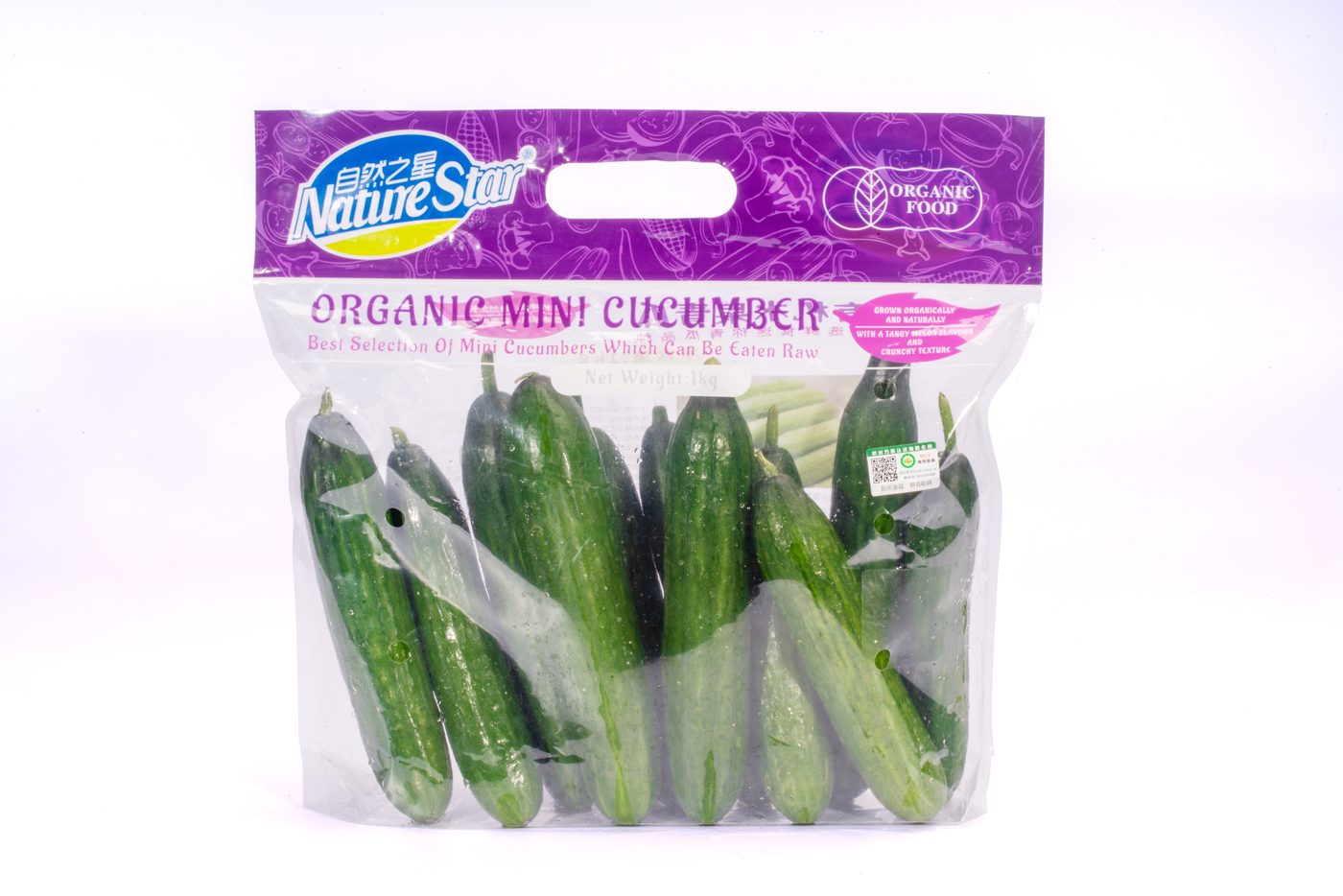
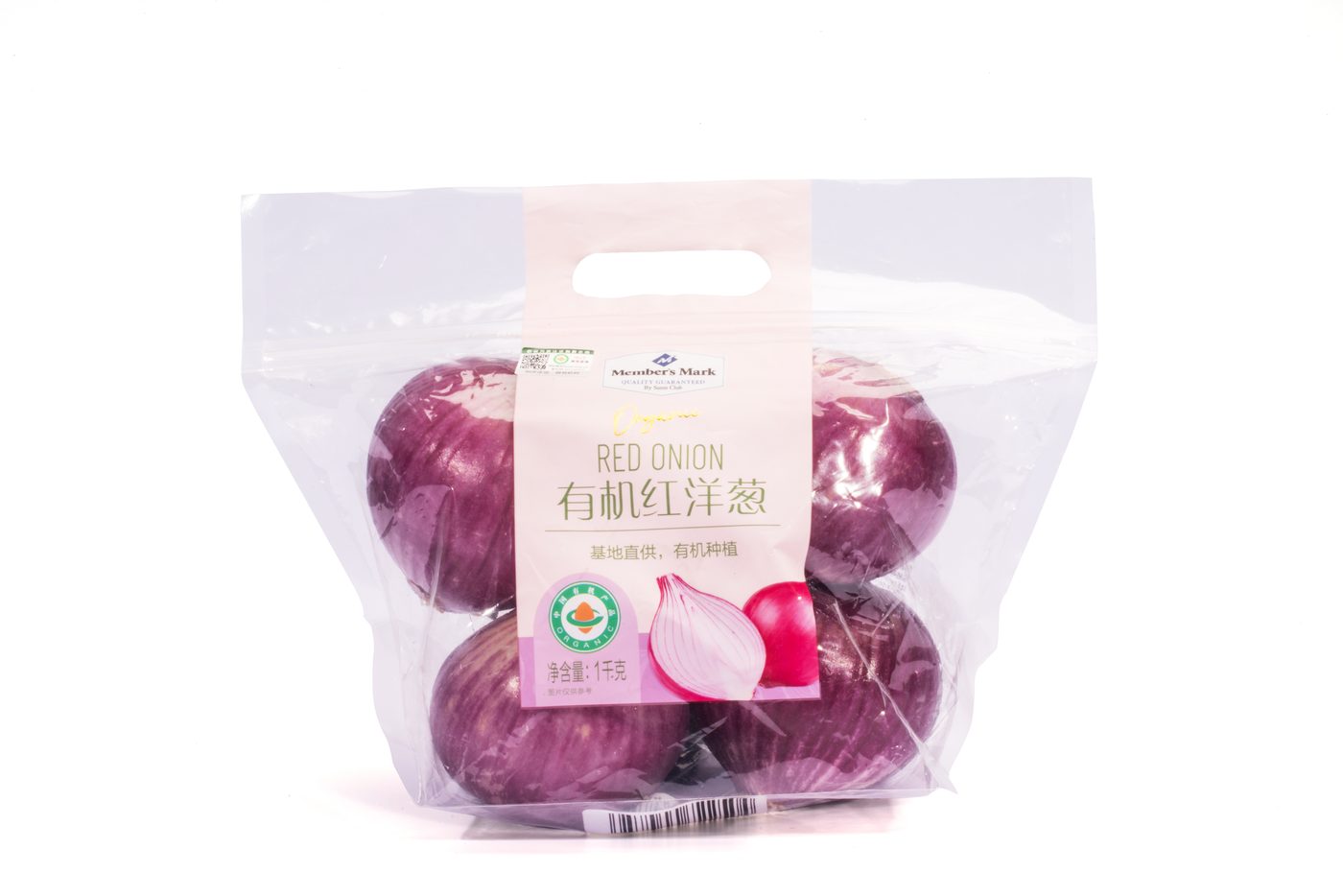
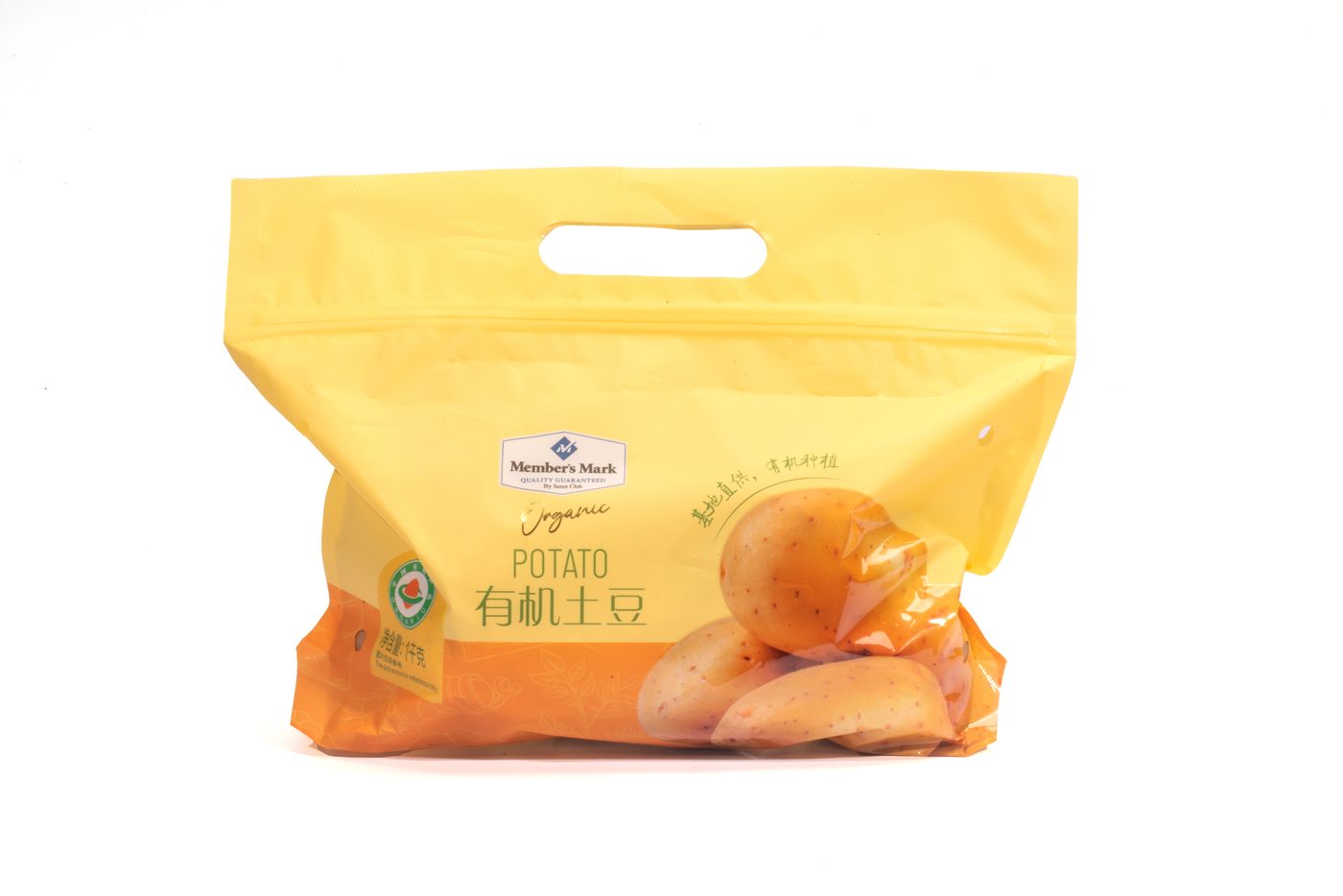
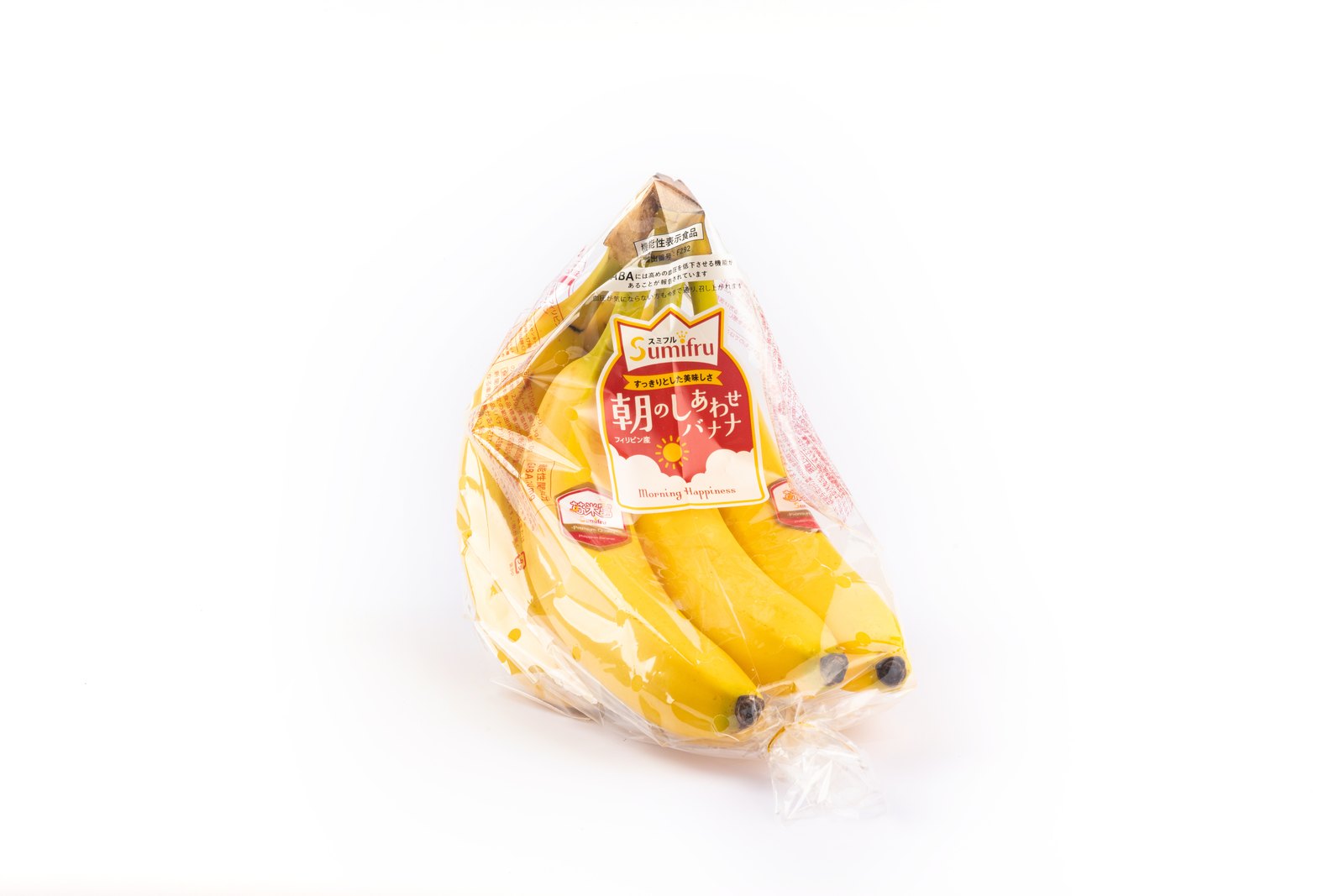
Punched or micro-perforated poly bags let produce breathe, slowing over-ripening of bananas, apples and root vegetables. Low cost, high-speed packing, brand print on film or label. The workhorse format for supermarket fruit walls.
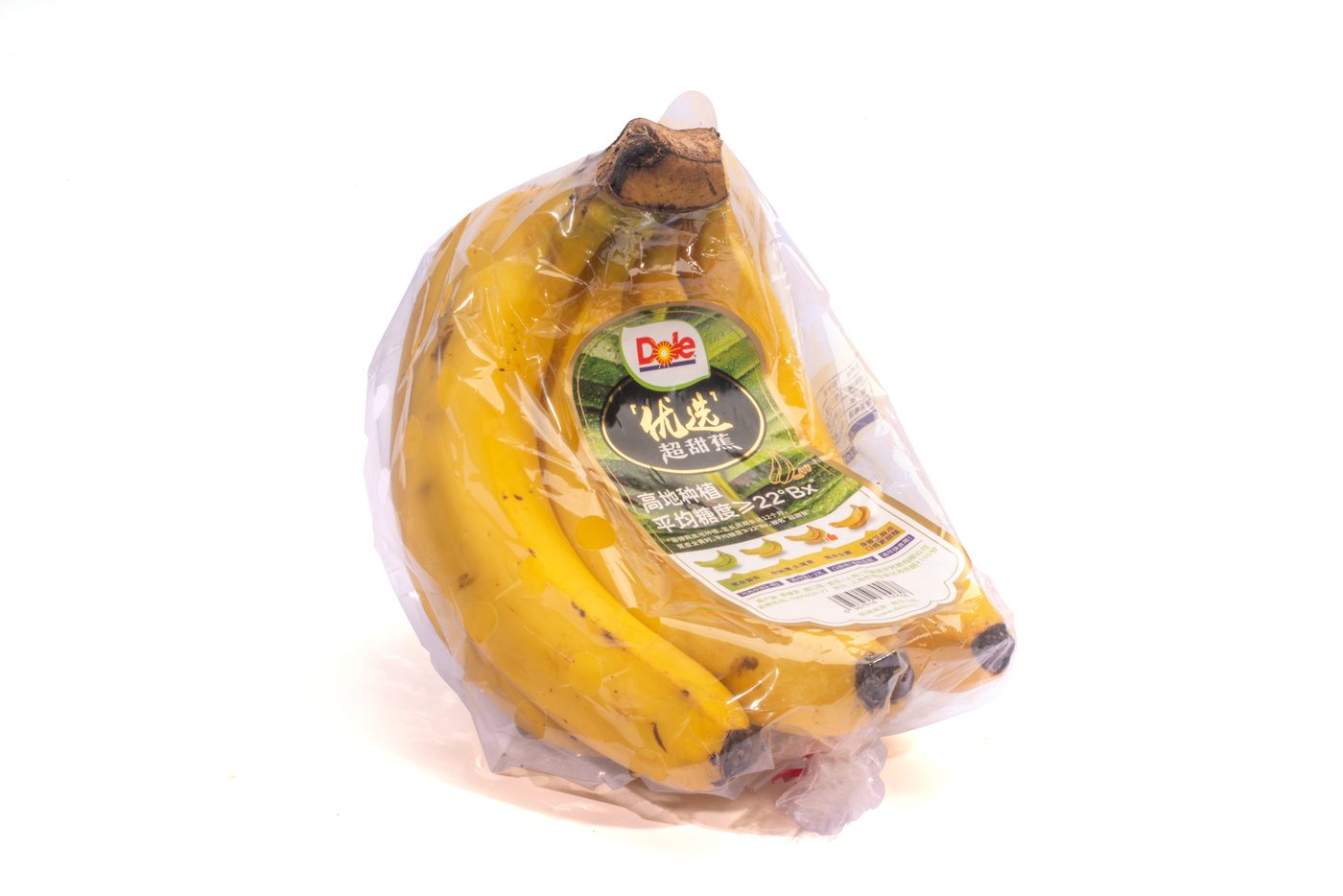
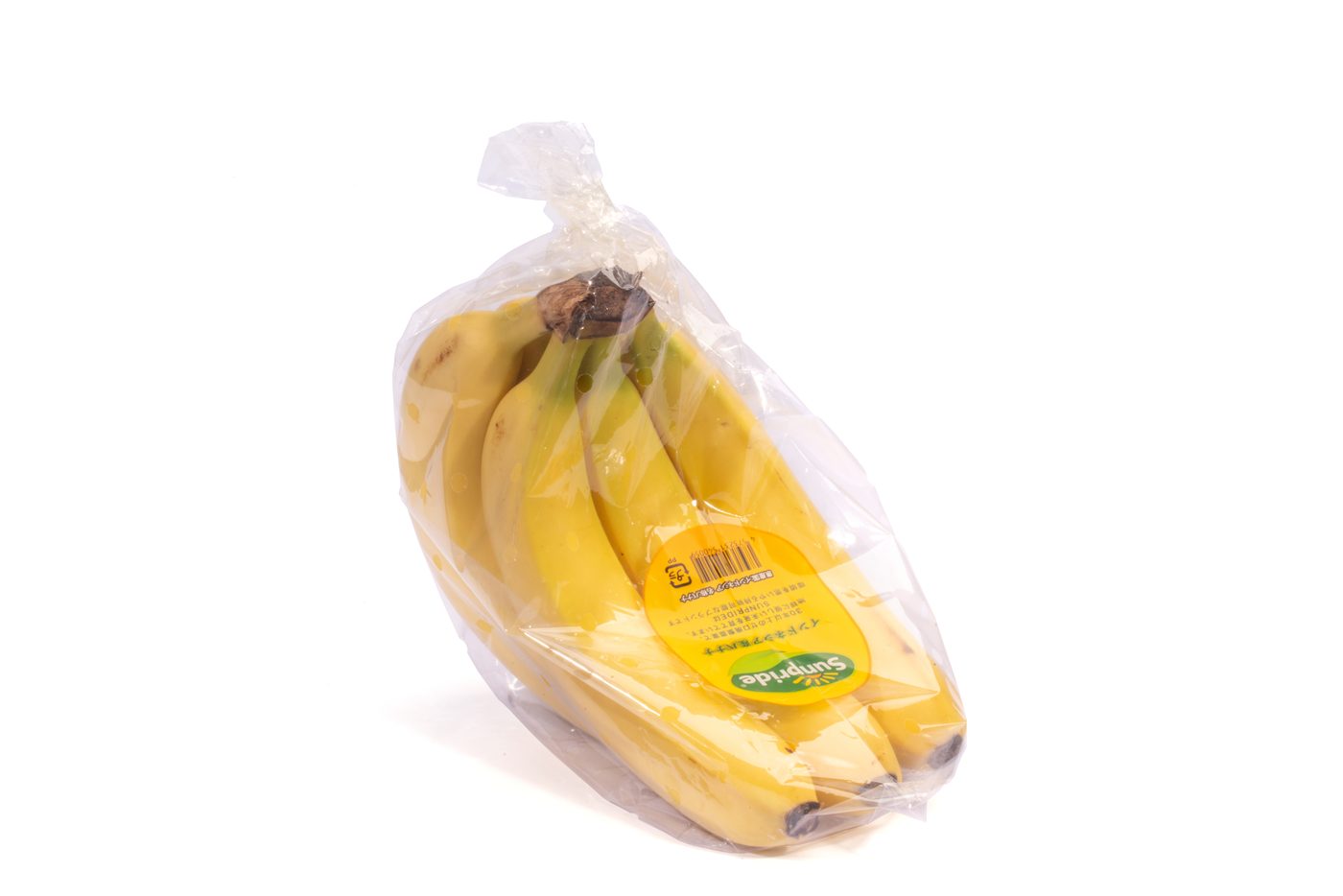
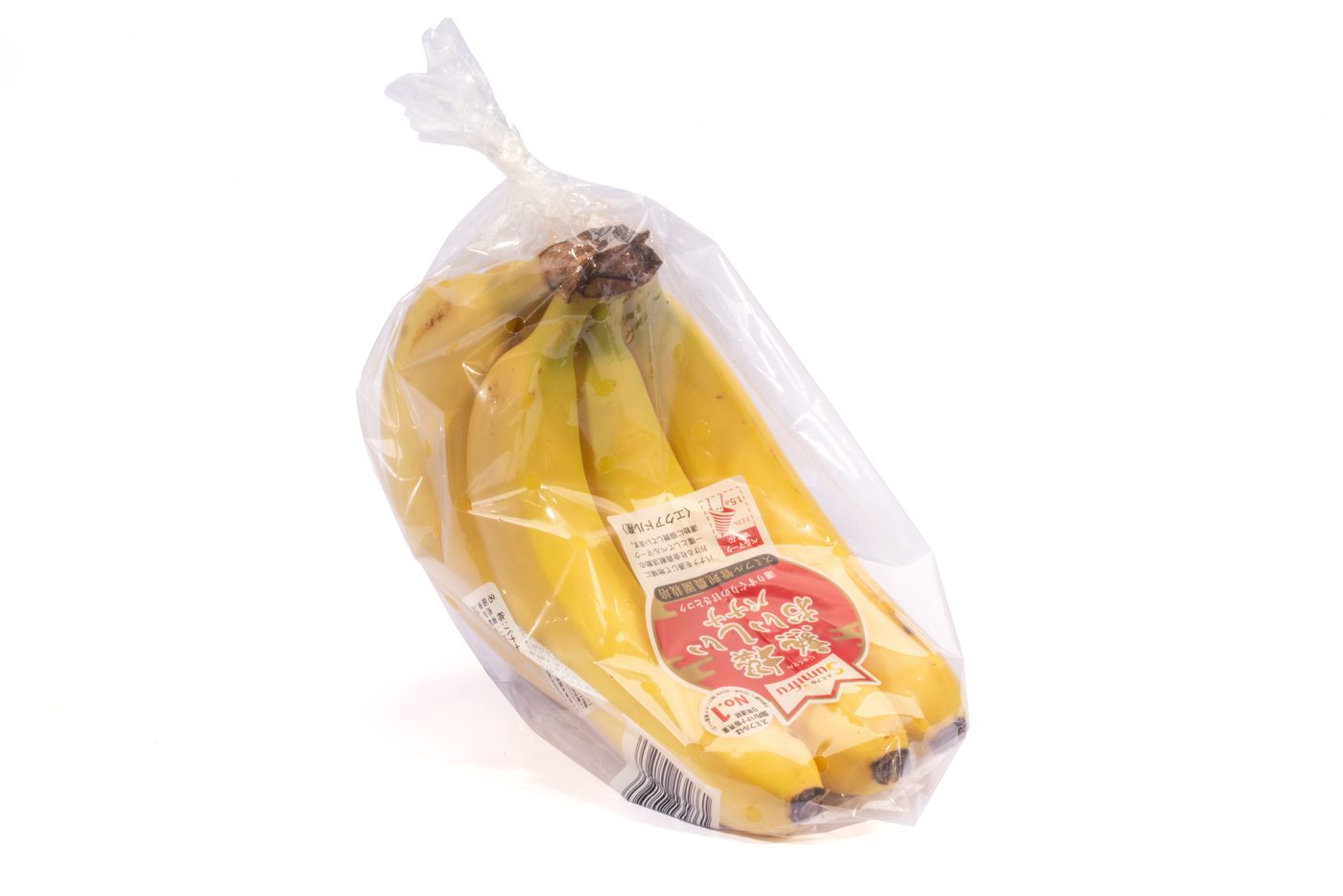
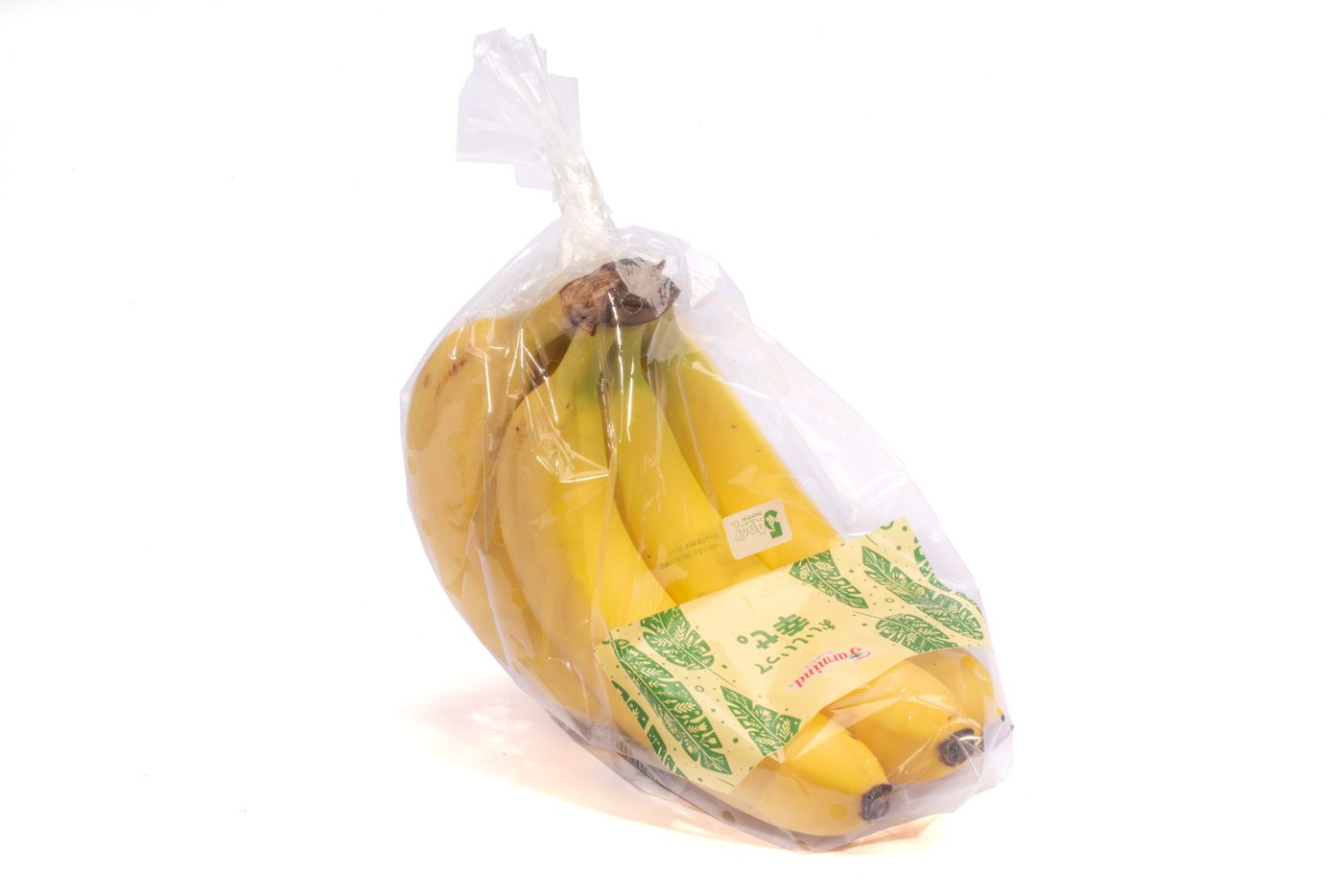
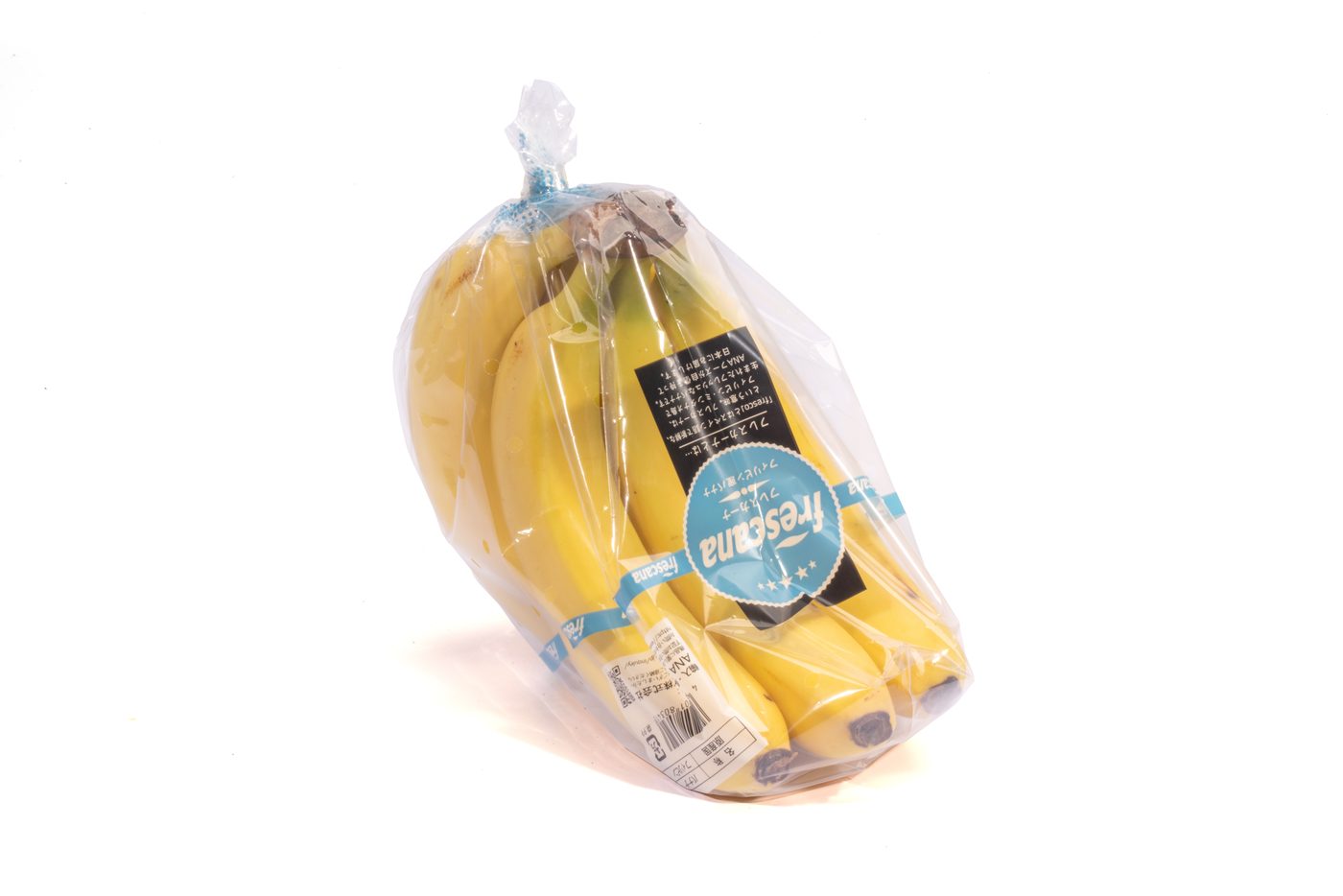
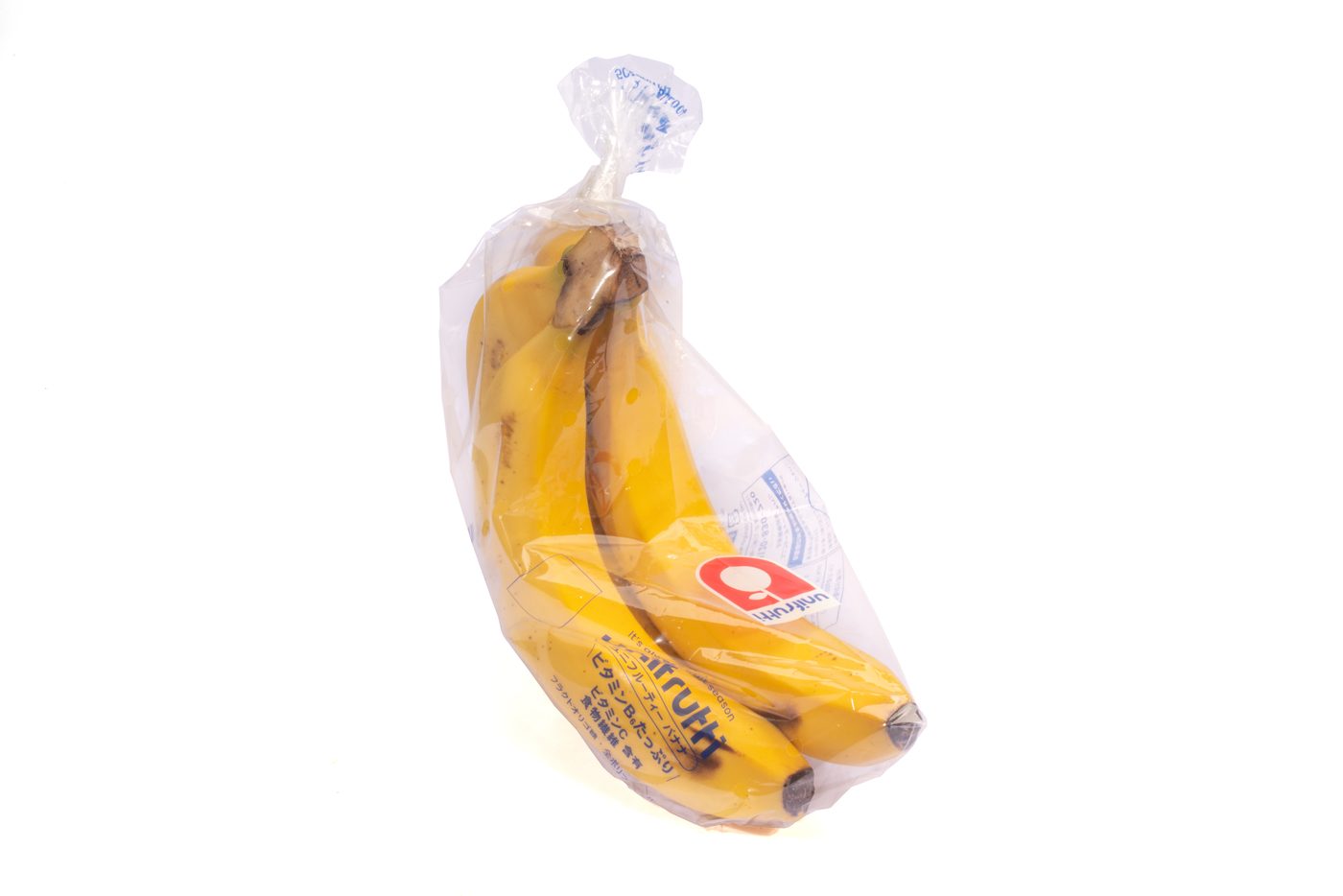
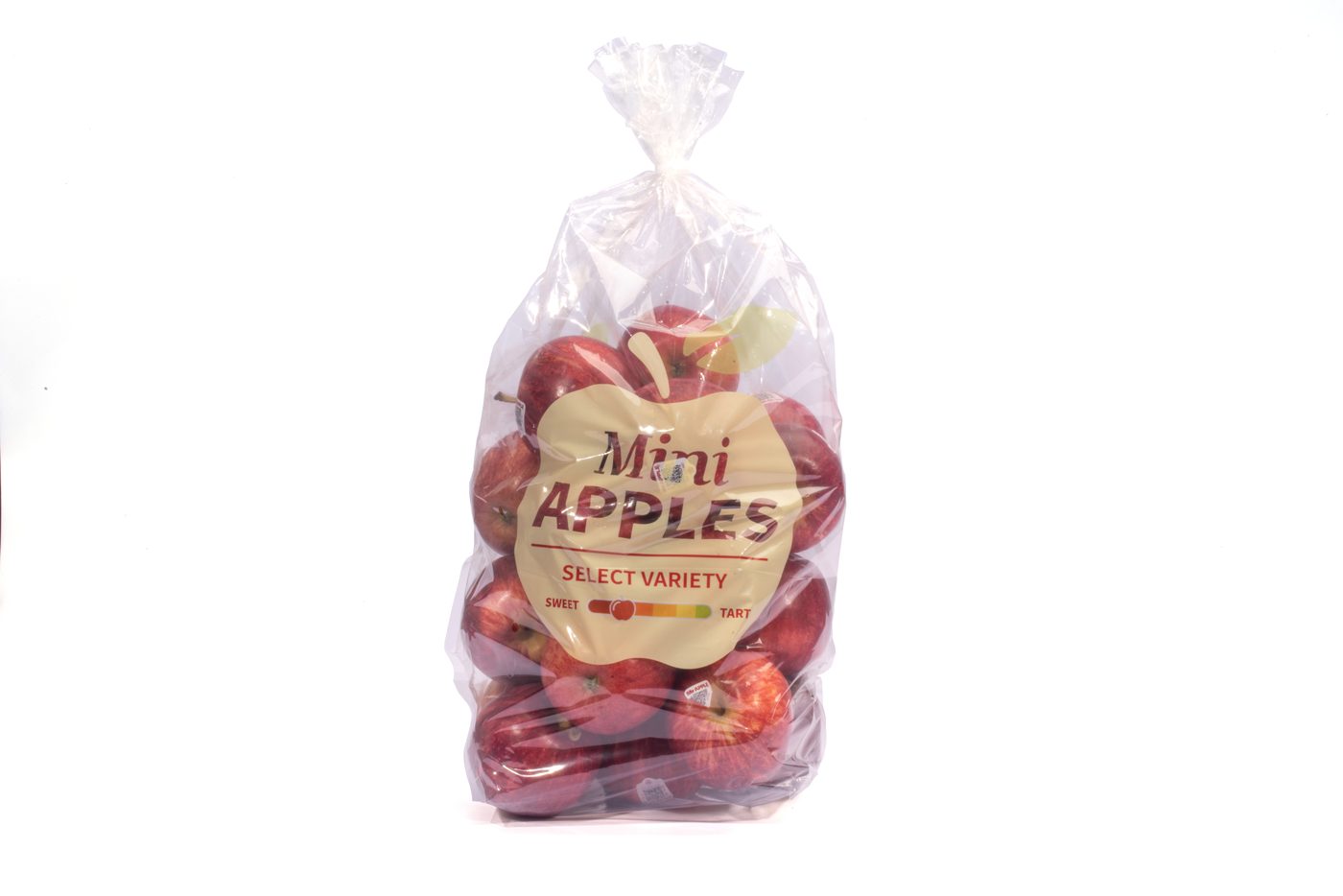
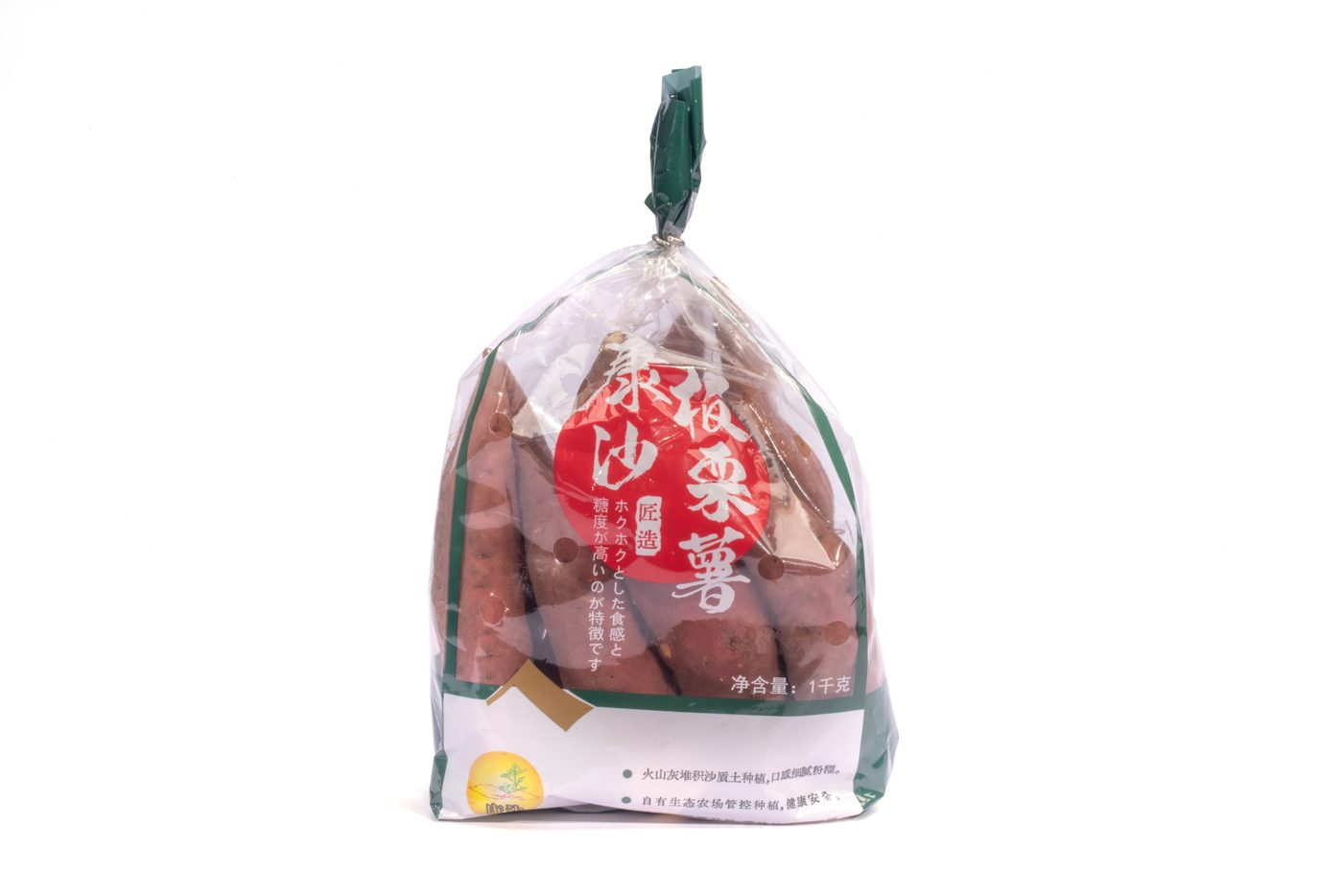
Anti-fog film keeps leafy greens visible and fresh; fits automatic flow-wrap lines for high-volume packing. Ideal for baby cabbage, lettuce, broccoli and herbs.
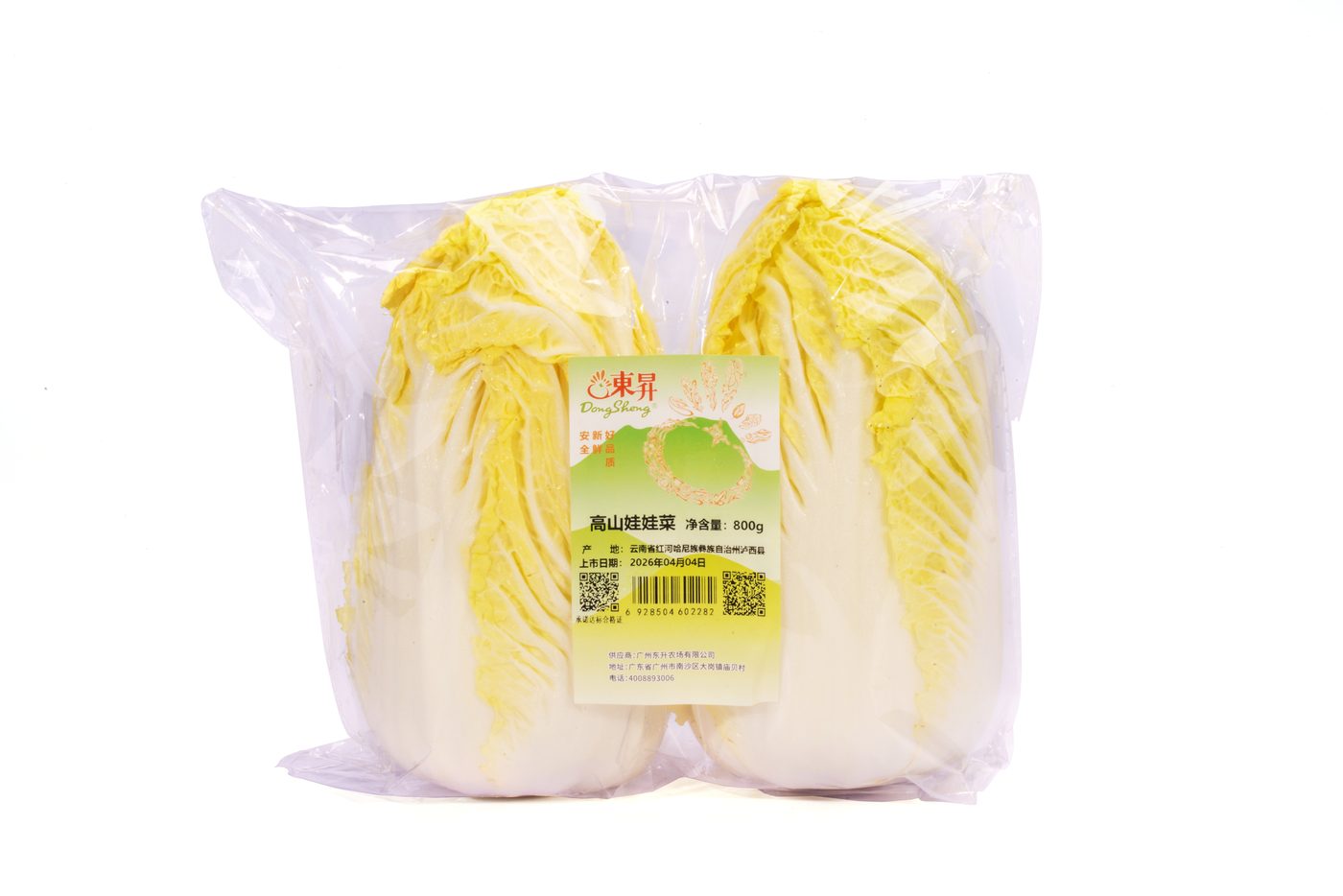
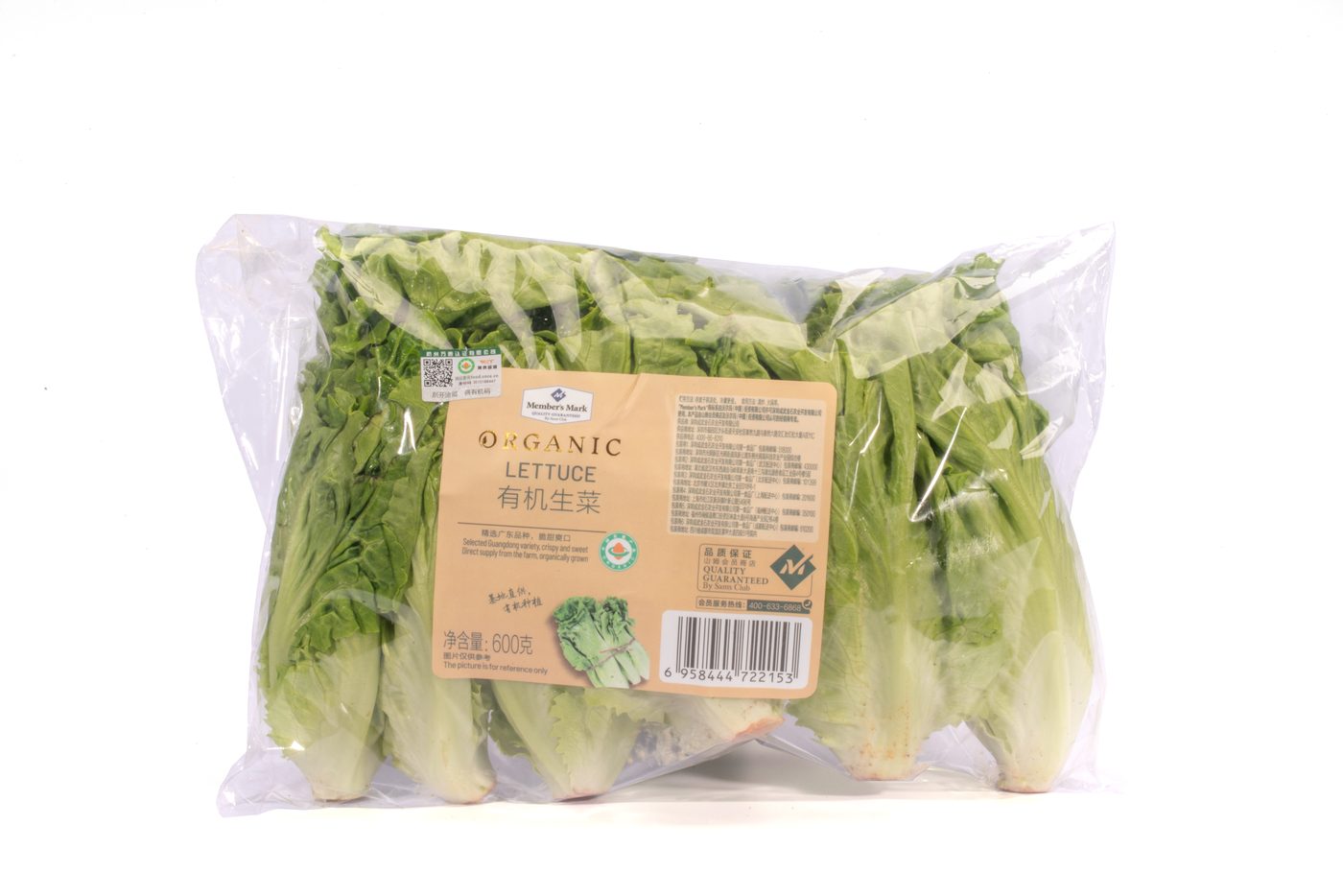
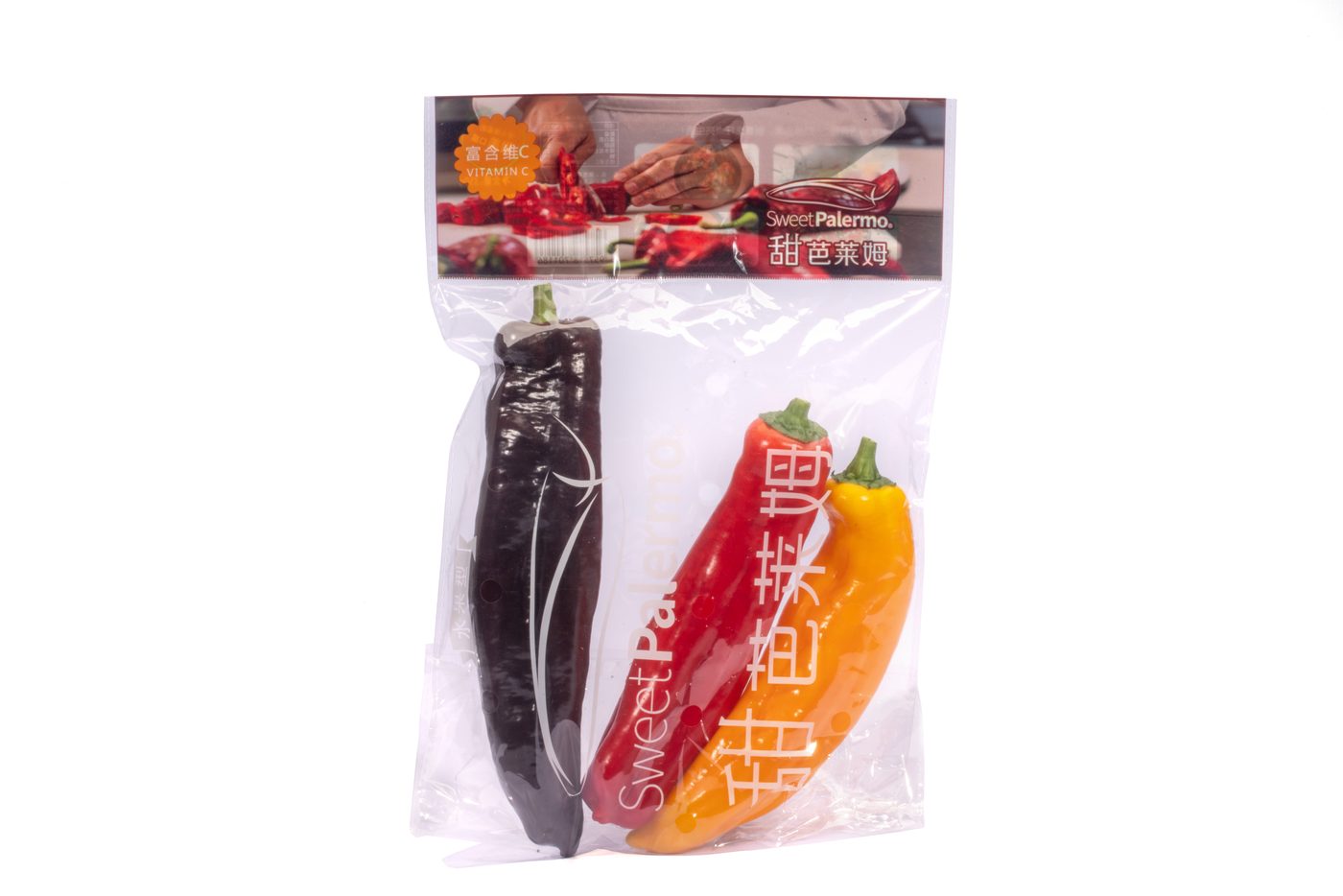
Header bags carry a printed card with euro-slot for pegboard display — great for peppers, mini veg and herbs. HDPE/PP mesh bags (for onions, potatoes, citrus) are also a core product — photos coming soon, samples available on request. See the mesh produce bags guide for raschel vs leno construction, the size and capacity chart and grams per bag.
Examples shown include banana, cherry and grape retail-bag formats for several markets. For a new program, request the customer-reference permission, proposed film specification, print method, perforation plan and food-contact records matched to the exact SKU, plant, use and destination.
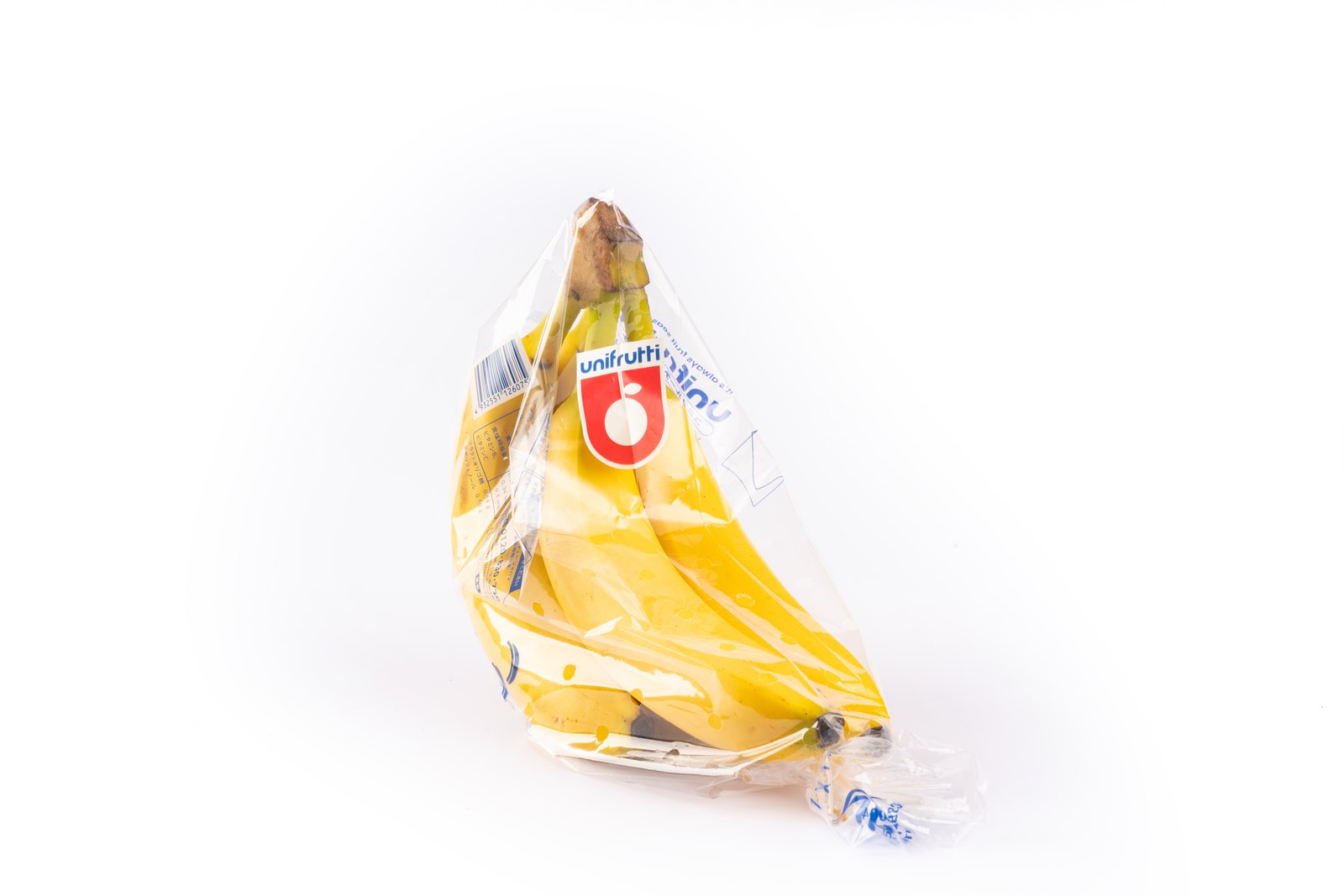
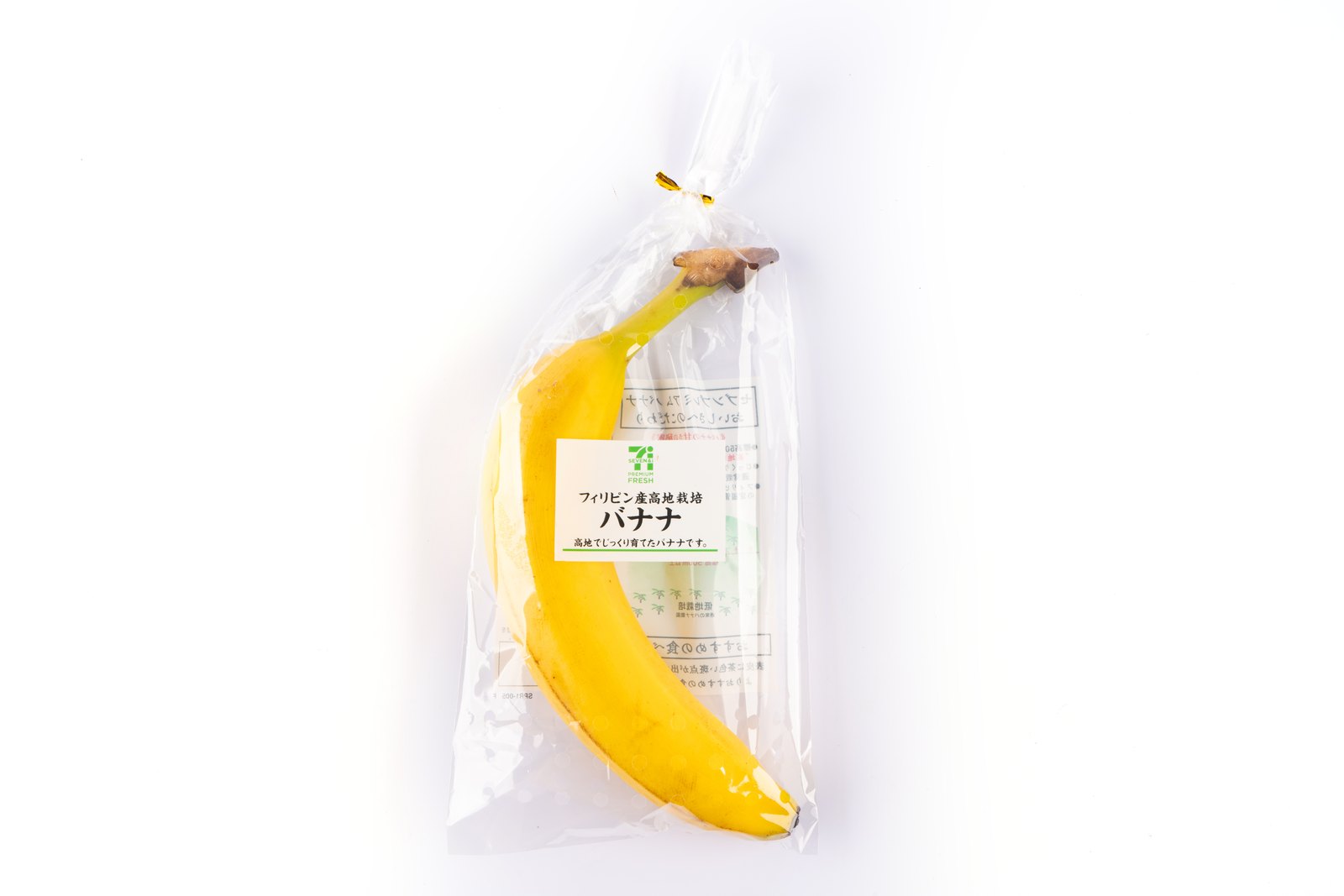
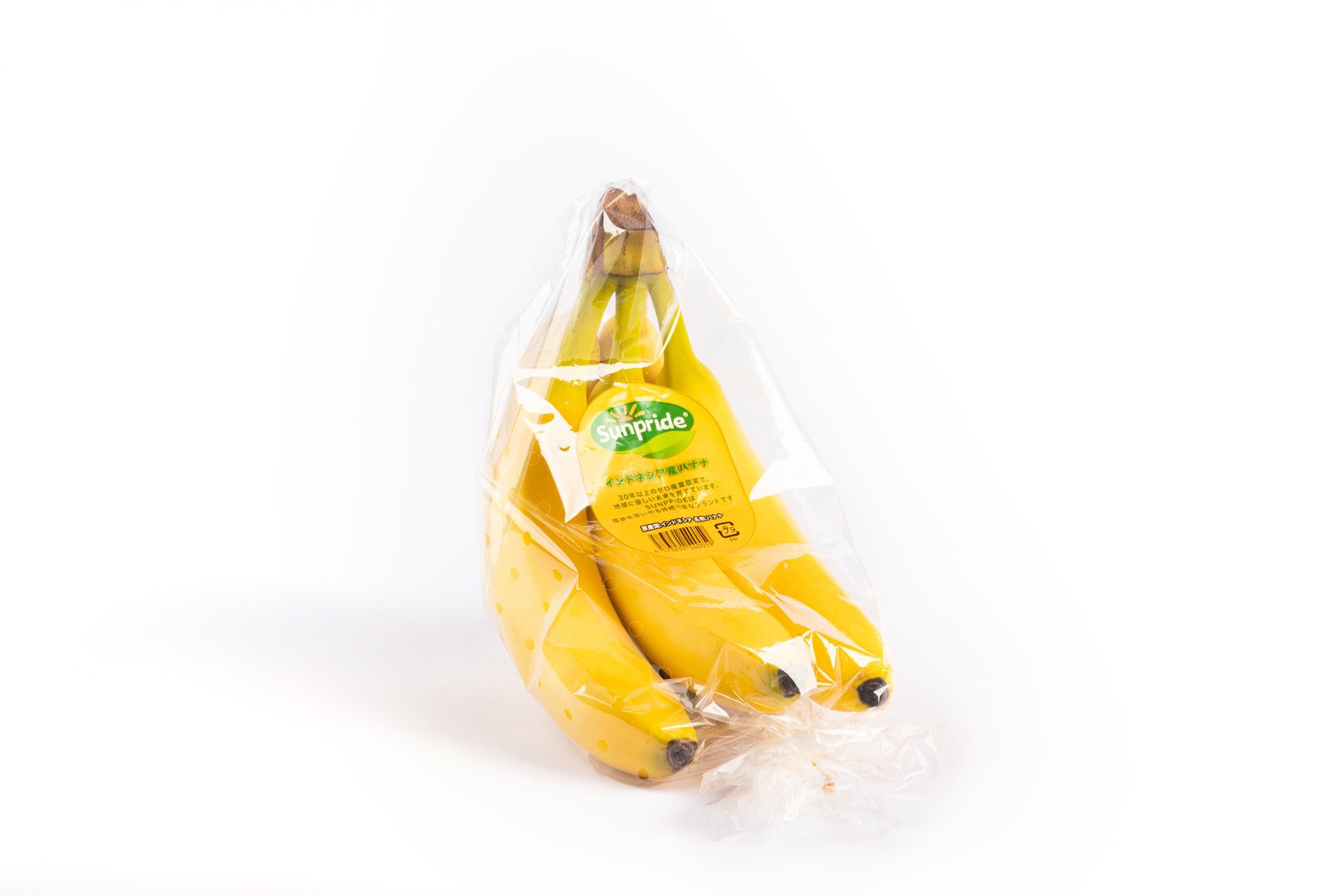
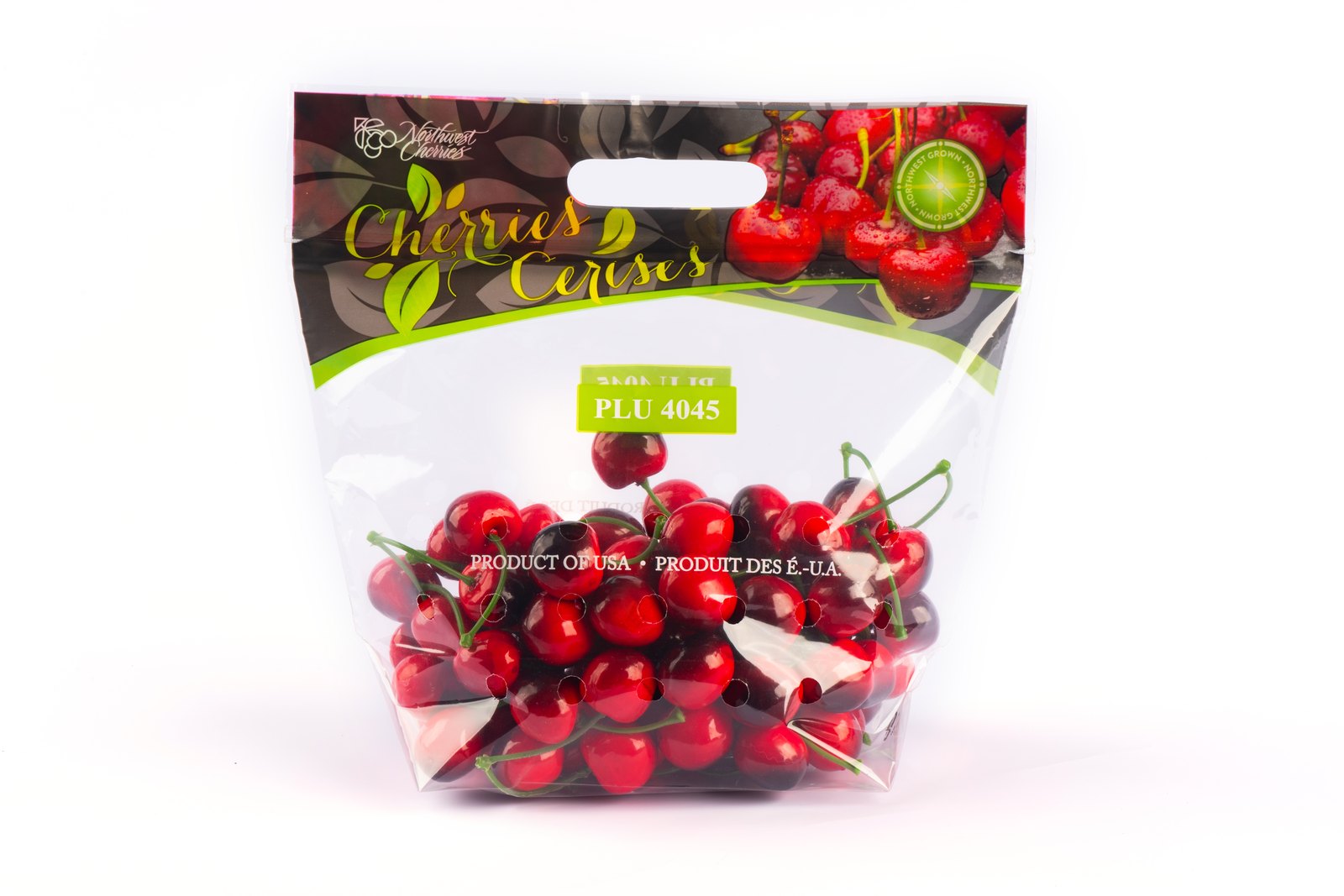
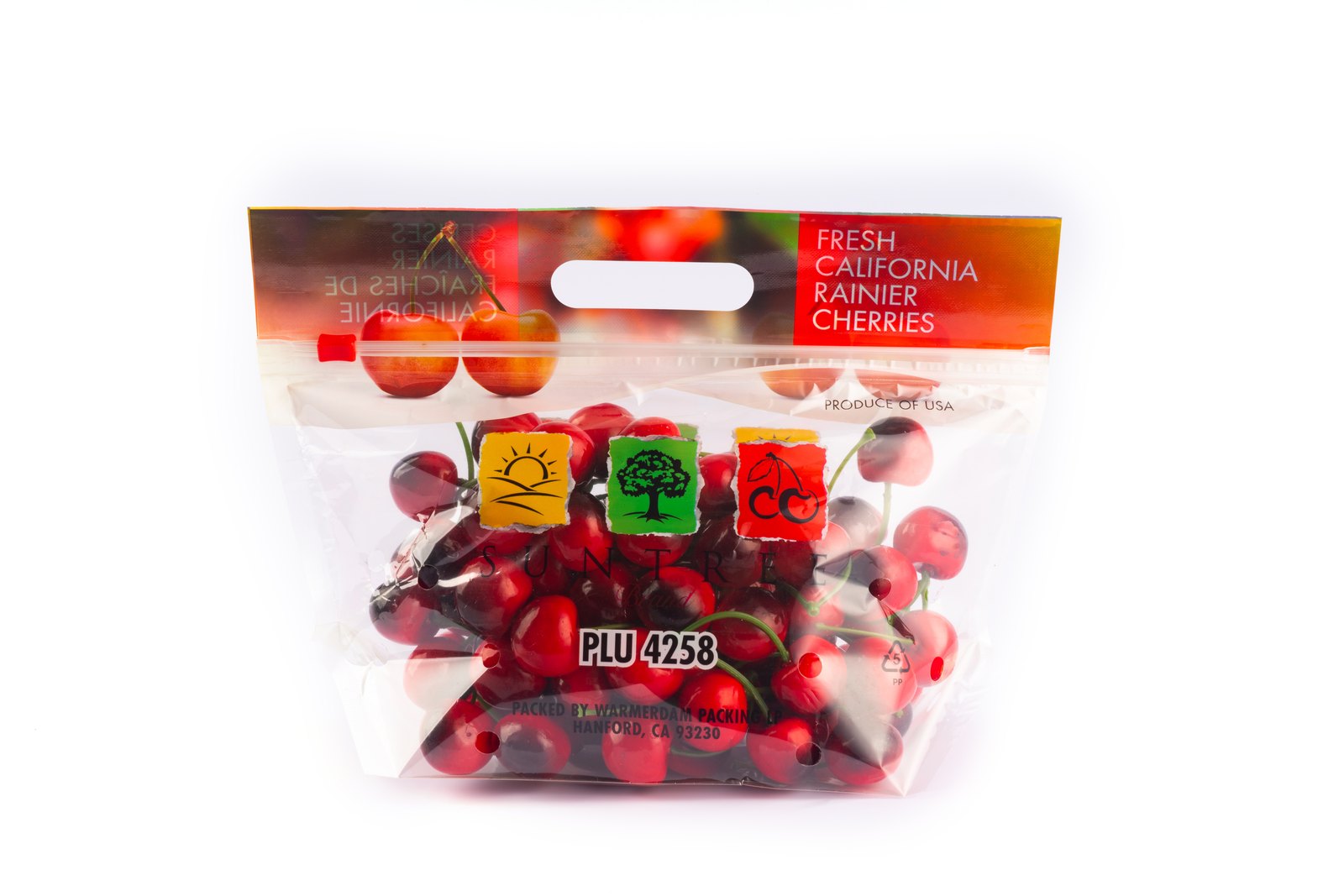
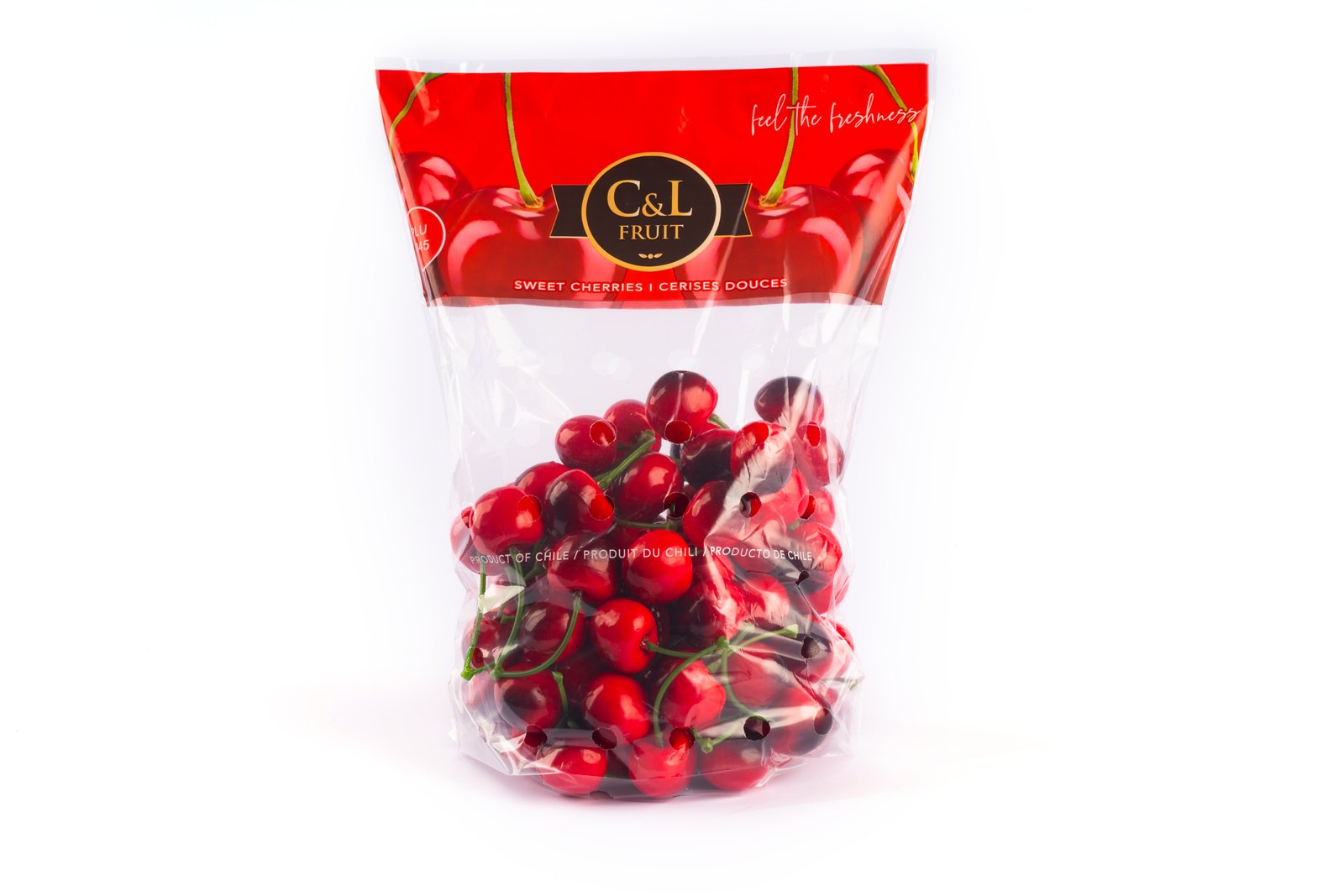
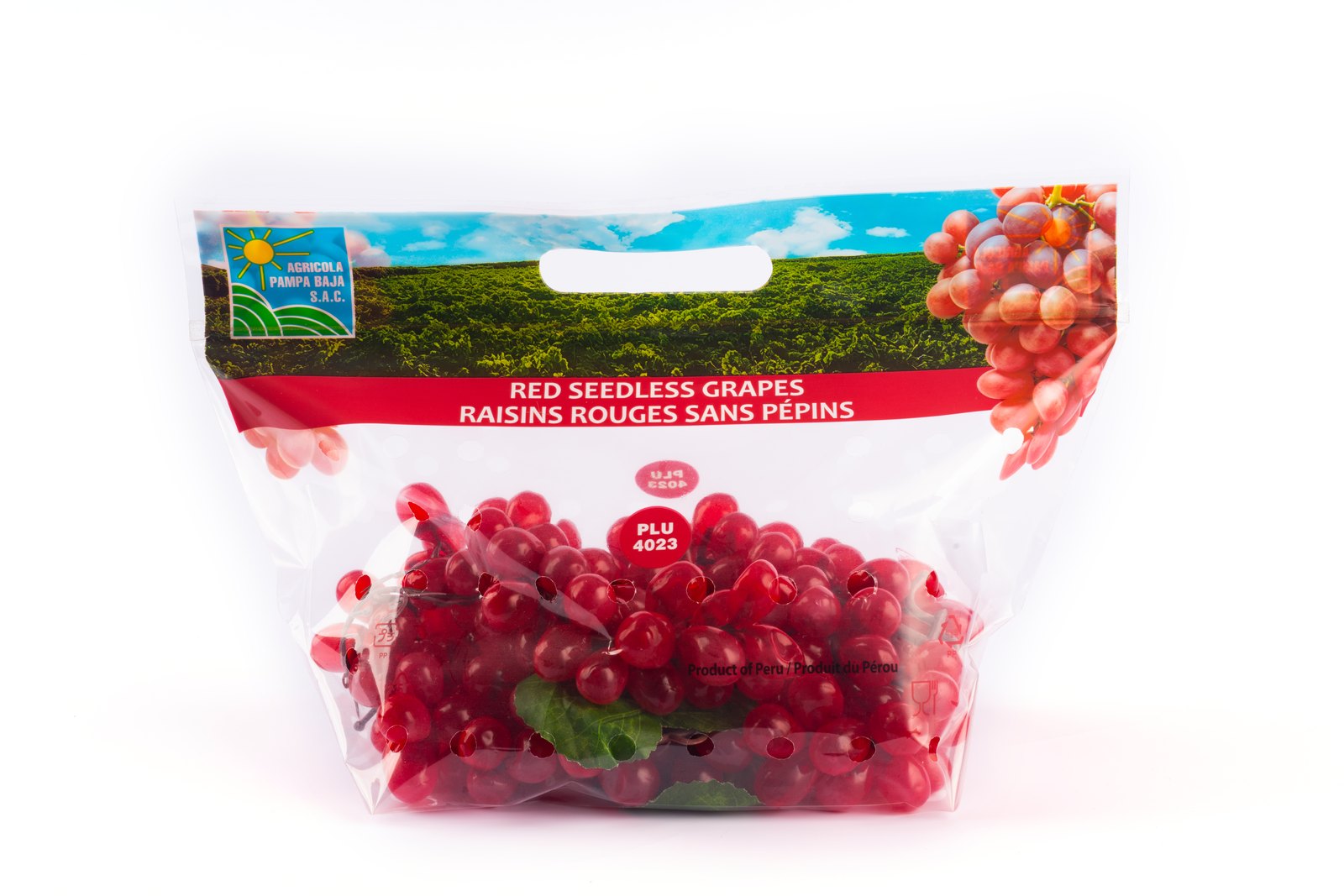
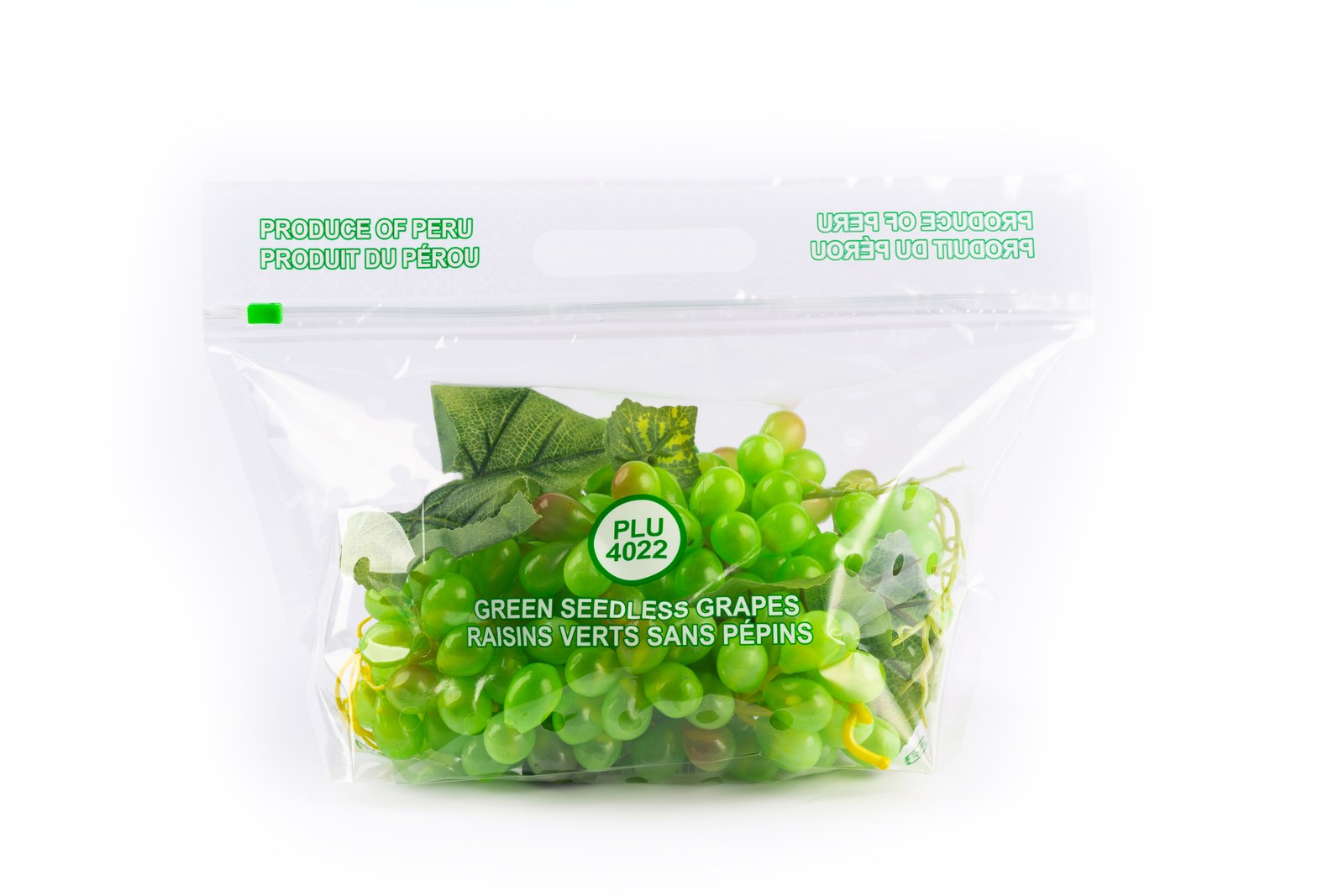
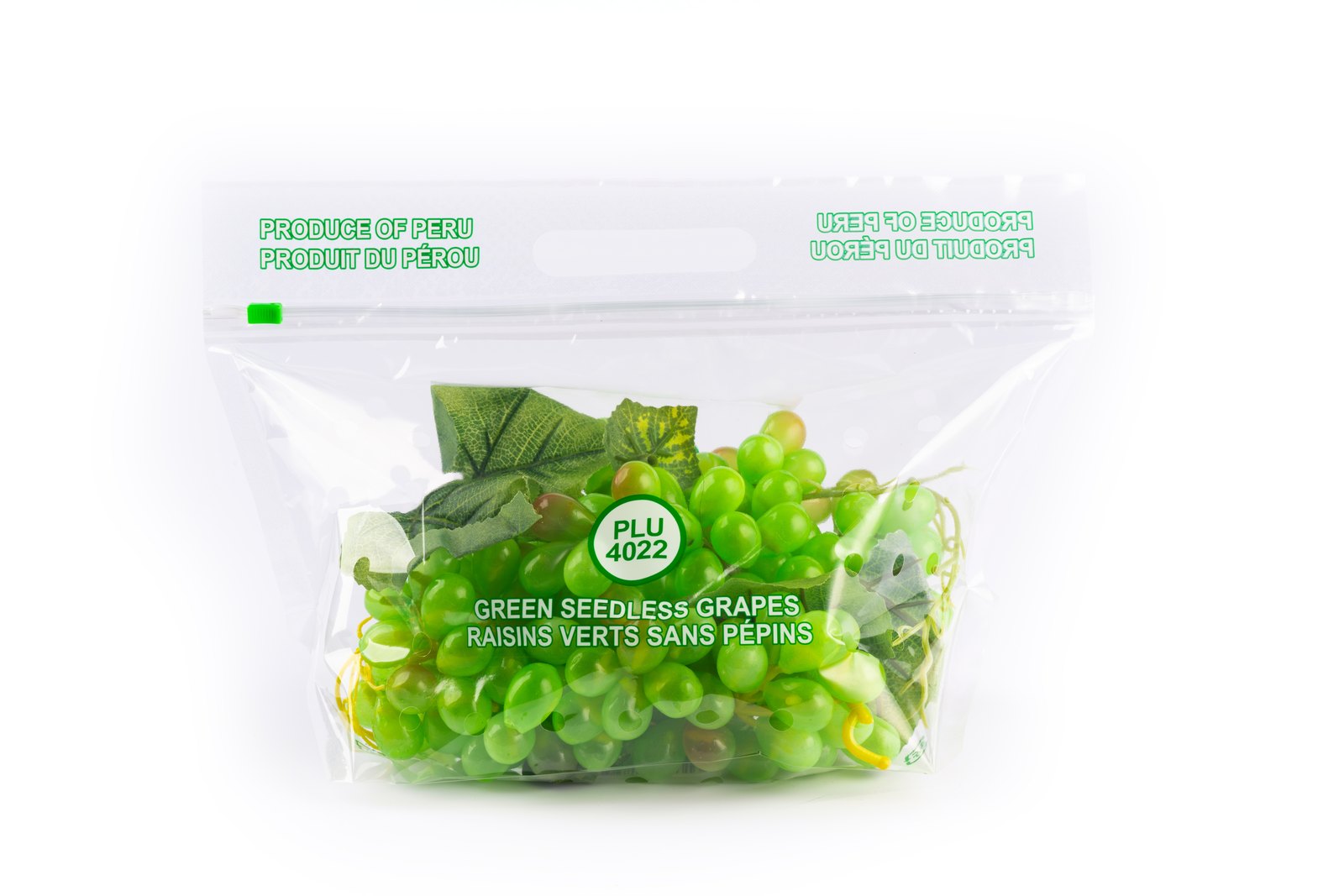
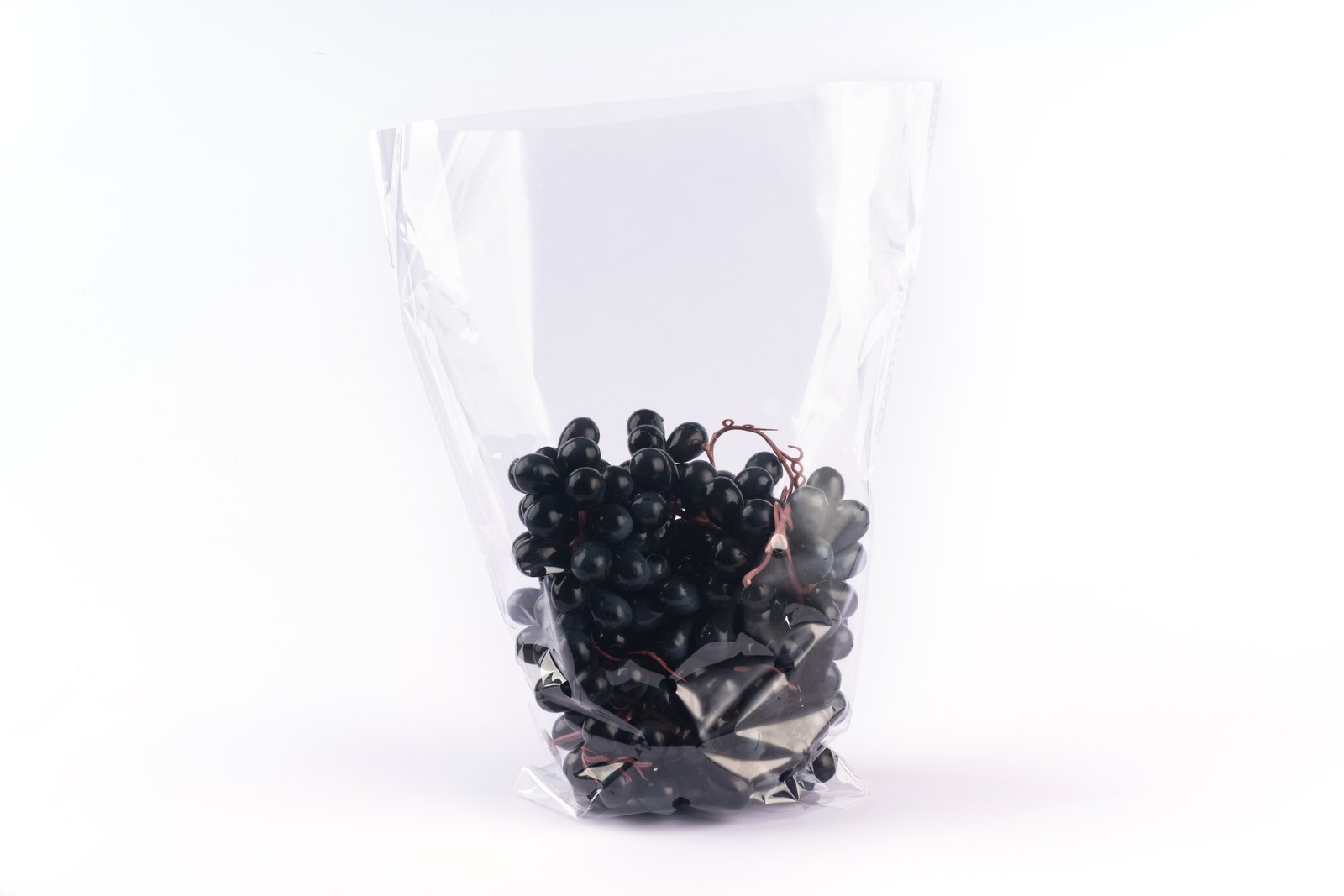
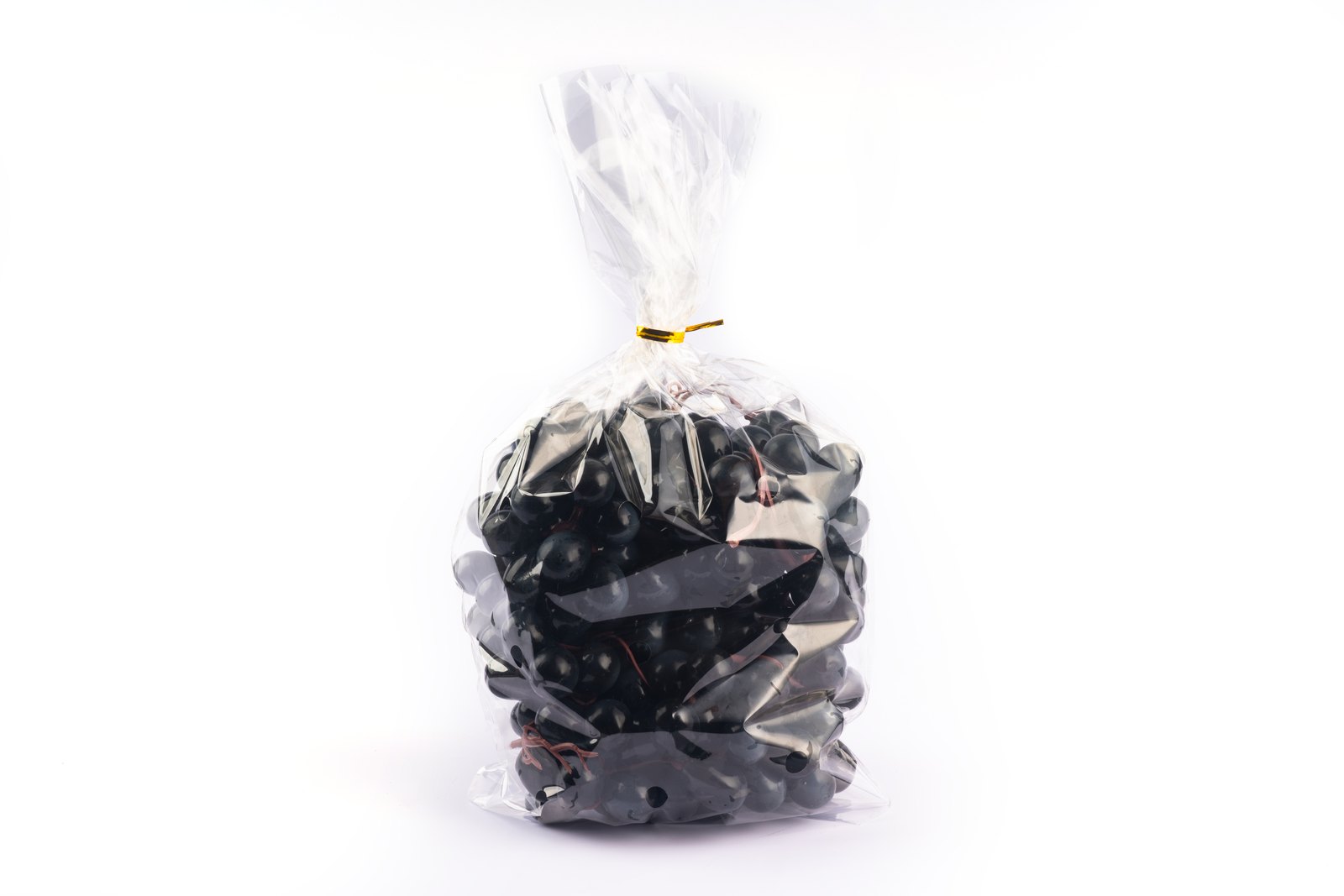
Five families: stand-up zipper pouches with handle for retail fruit and vegetables; vented poly bags for bananas, apples and citrus; micro-perforated flow-wrap and pillow bags for leafy greens and herbs; header bags for peppers and cucumbers; and mesh bags for onions, potatoes, citrus and garlic. All are made to your size, film, thickness, ventilation and print.
A bag cannot be selected from the crop name alone. Confirm variety, maturity, fill weight, closure, temperature and route. Vented or micro-perforated bags are common candidates, but performance must be approved with the actual product. See the specification and trial guide.
MOQ, samples and lead time depend on structure, size, colors, perforation, tooling and plant schedule. Send the artwork, specification, quantity and pack date for confirmed values in the quotation.
Define the destination market, intended use and complete structure, then match declarations and reports to the correct material, plant and SKU. Recyclability depends on the complete structure, labels, inks, additives and local collection system, so it cannot be promised generically.
Tell us the produce, fill weight, temperature profile, route and destination market. We will propose a bag construction, print method and sample stage, with timing confirmed in the quote.