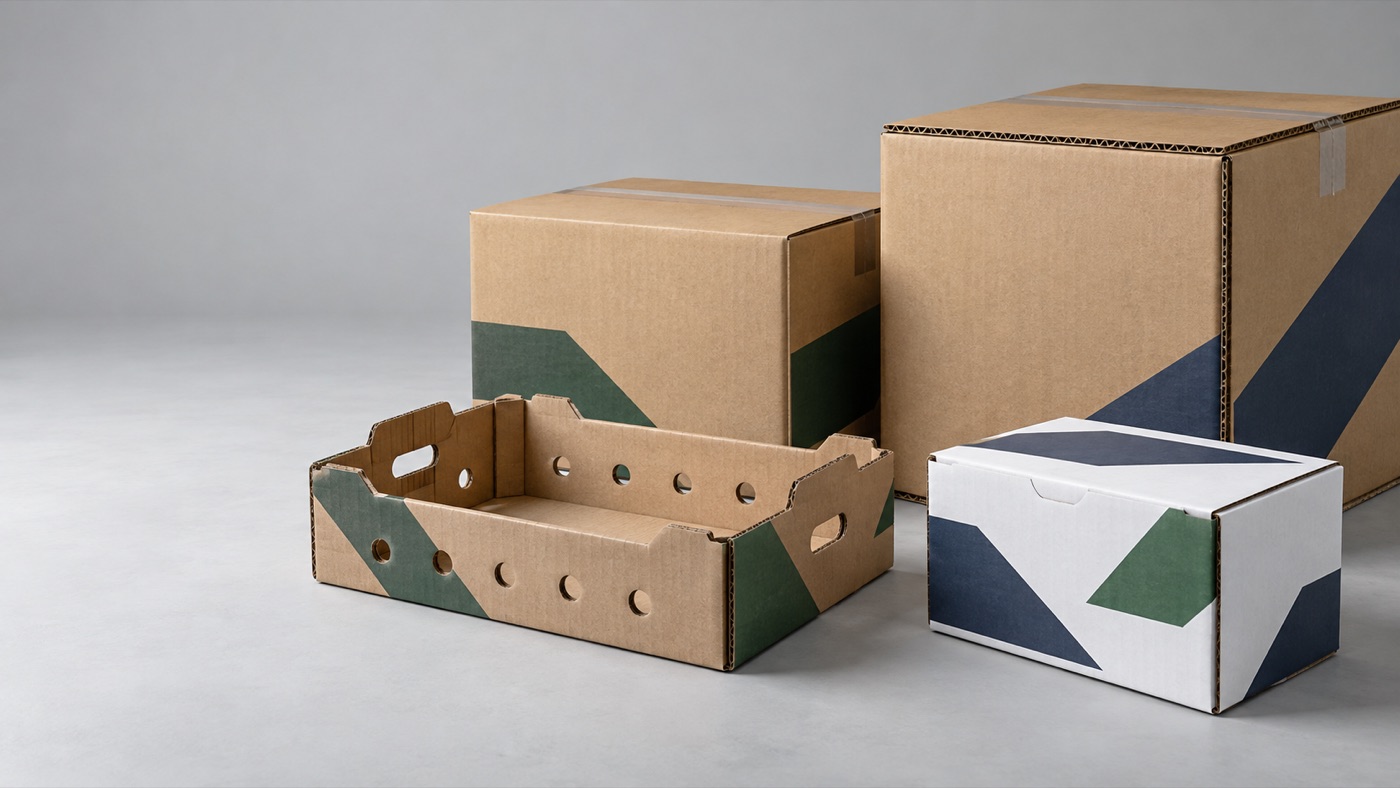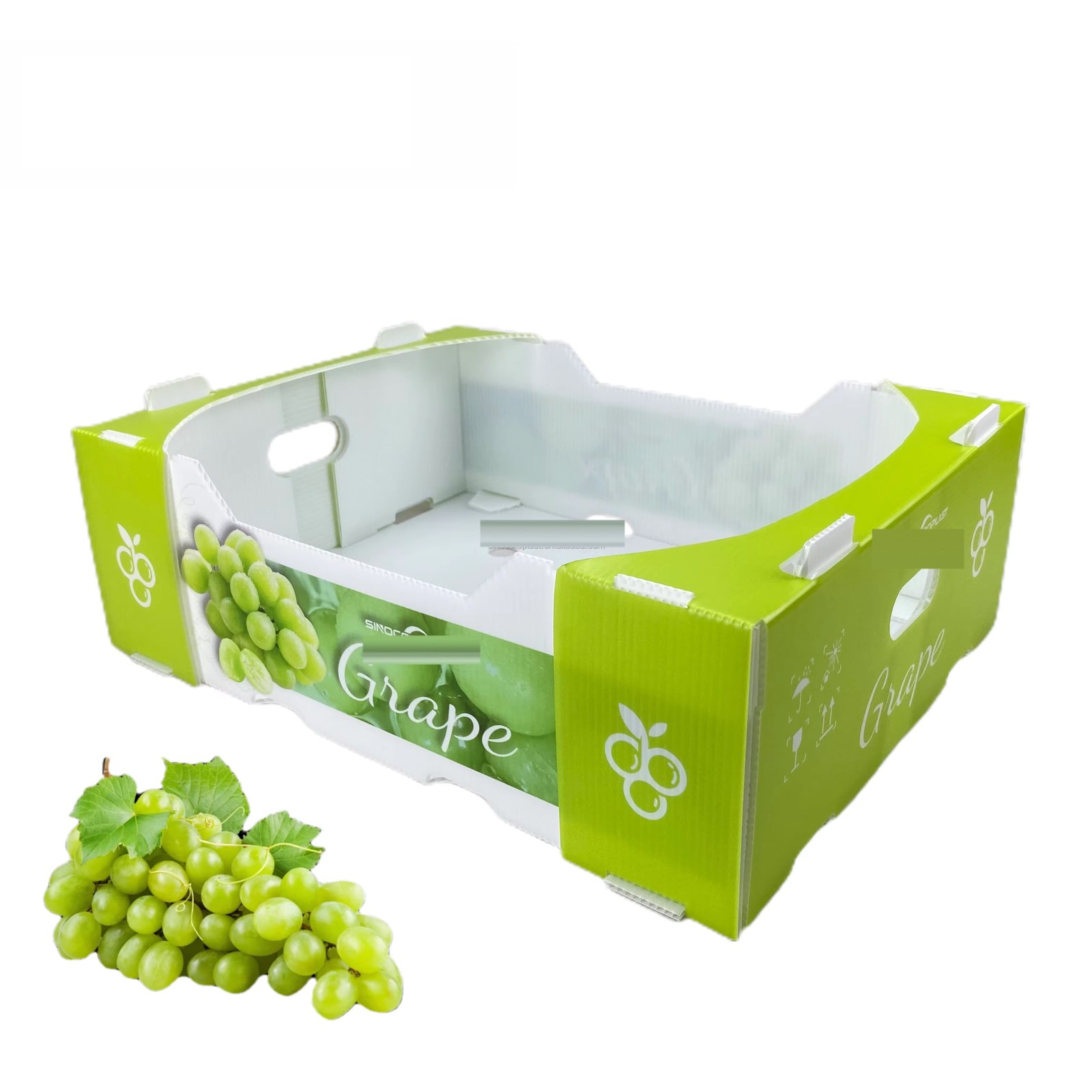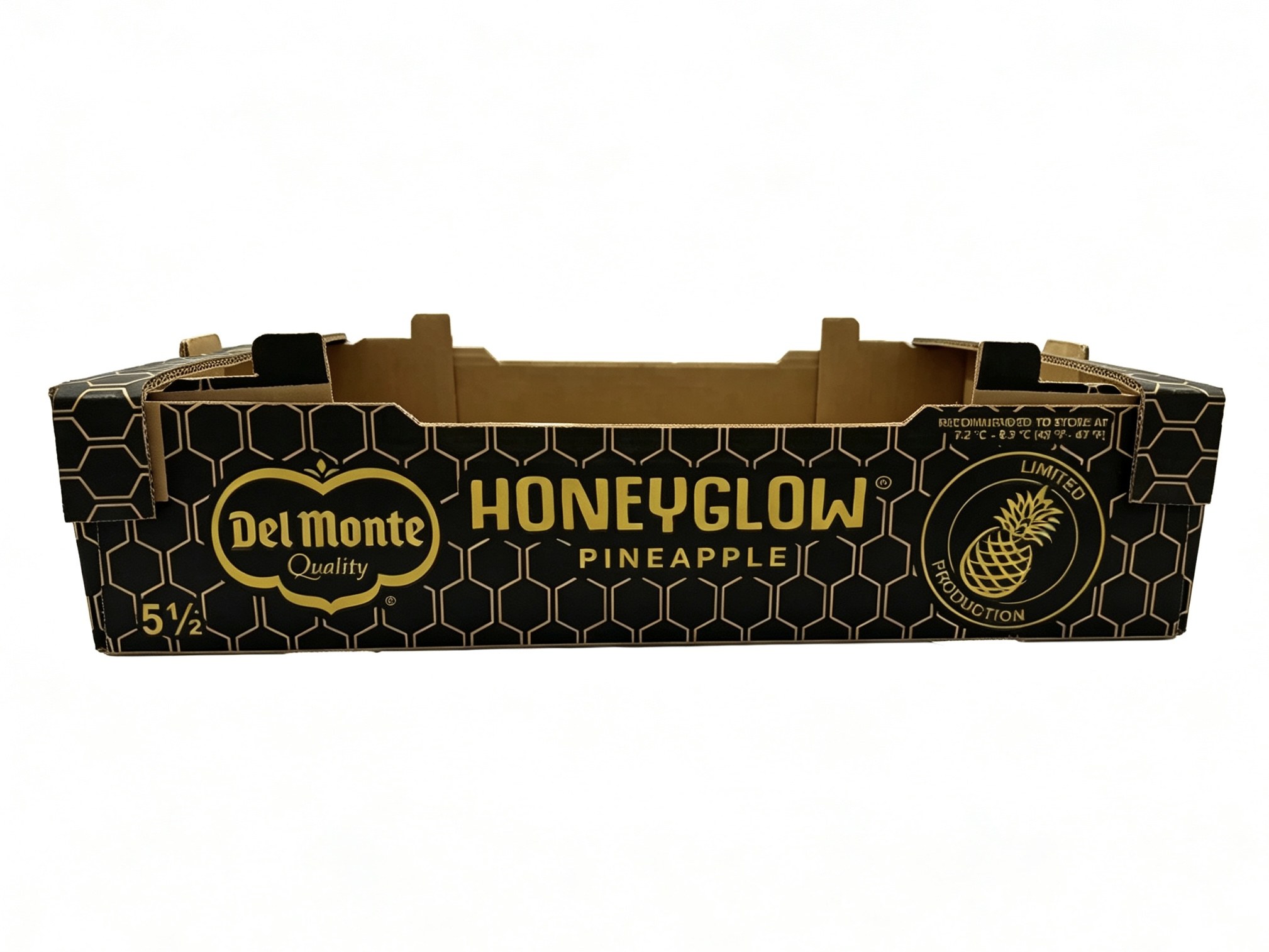
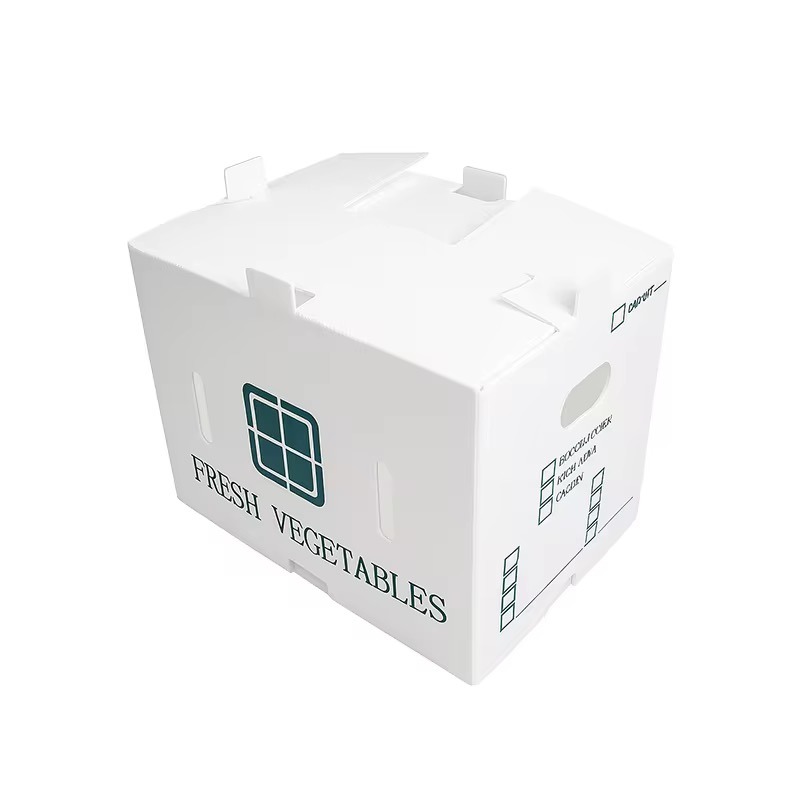
Corrugated Plastic Boxes for Peru and Chile Fruit Exporters: Guide
Thickness and grammage by use, 600 × 400 modular sizes, cost per trip versus cartons, tariffs from China and Vietnam, and transit to Chancay, Callao and San Antonio.
Read guide →Practical, factory-level knowledge for importers, growers and brands — written by the Fuxing Group team from 20+ years of manufacturing fresh produce packaging across China, Vietnam and the Philippines.
Check the company facts and primary trade sources behind our guides →
Start with your crop, shipping condition or material question, then use each guide's size tables, MOQ guidance and container-loading data to prepare an RFQ.
Thickness and grammage by use, 600 × 400 modular sizes, cost per trip versus cartons, tariffs from China and Vietnam, and transit to Chancay, Callao and San Antonio.
Read guide →
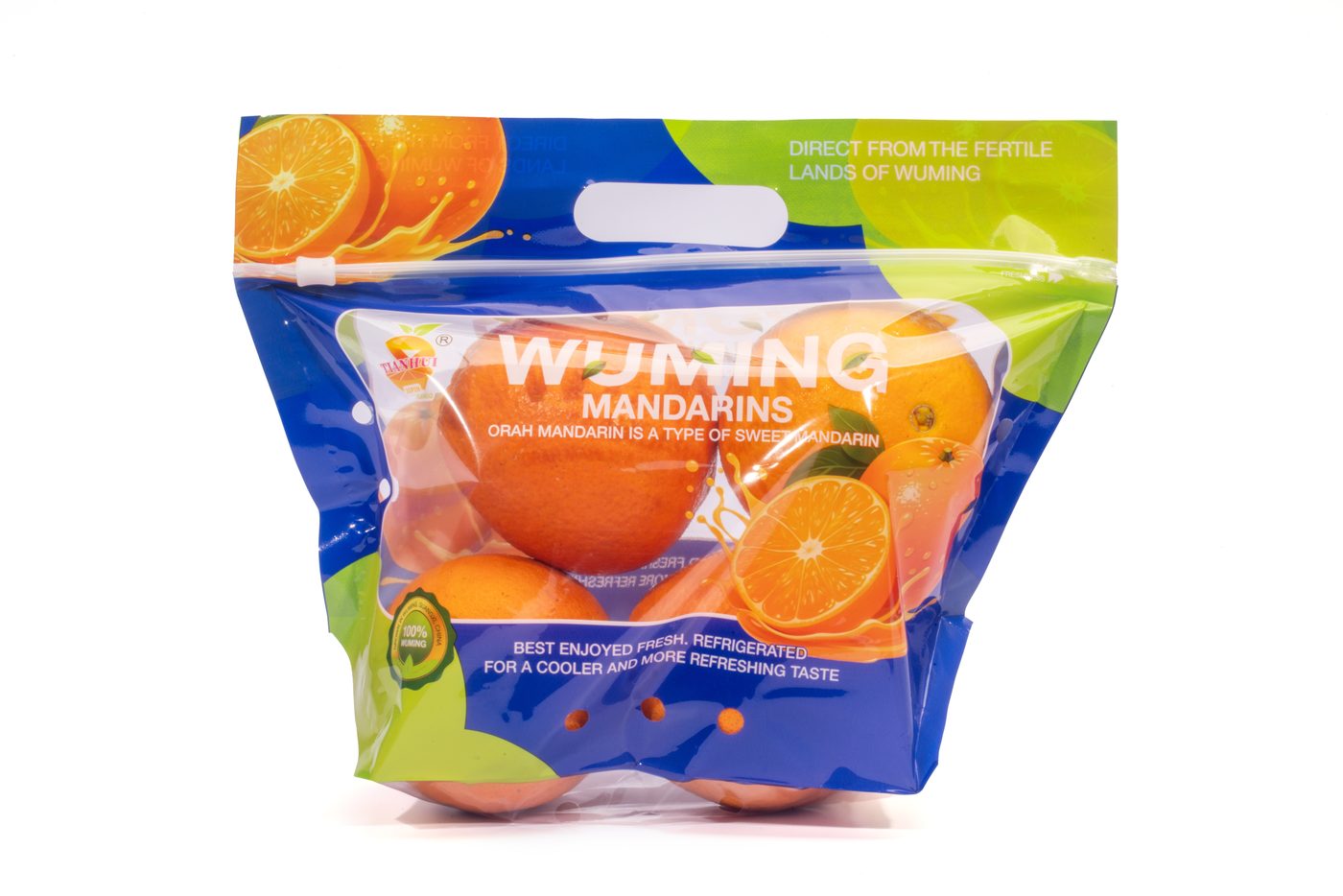
34 × 72 and 34 × 90 inch covers, 0.4 to 1.0 mil, 2 to 6 mm perforation, colours and farm logo, weight per cover and use per hectare.
Read guide →
158,510 t of organic bananas in 2025, 80 percent organic export area, the insecticide-free bunch cover, 0 to 20 cluster bags by programme, 960 boxes per reefer and the 10 to 14 week order horizon from Asia.
Read guide →
The only banana origin that reaches U.S. ripening rooms by truck, 2 to 4 days from Chiapas, Tabasco or Colima. Bags per box and per trailer, the Japan 13 kg cluster pack, and 18 to 25 days from Asia to Manzanillo.
Read guide →
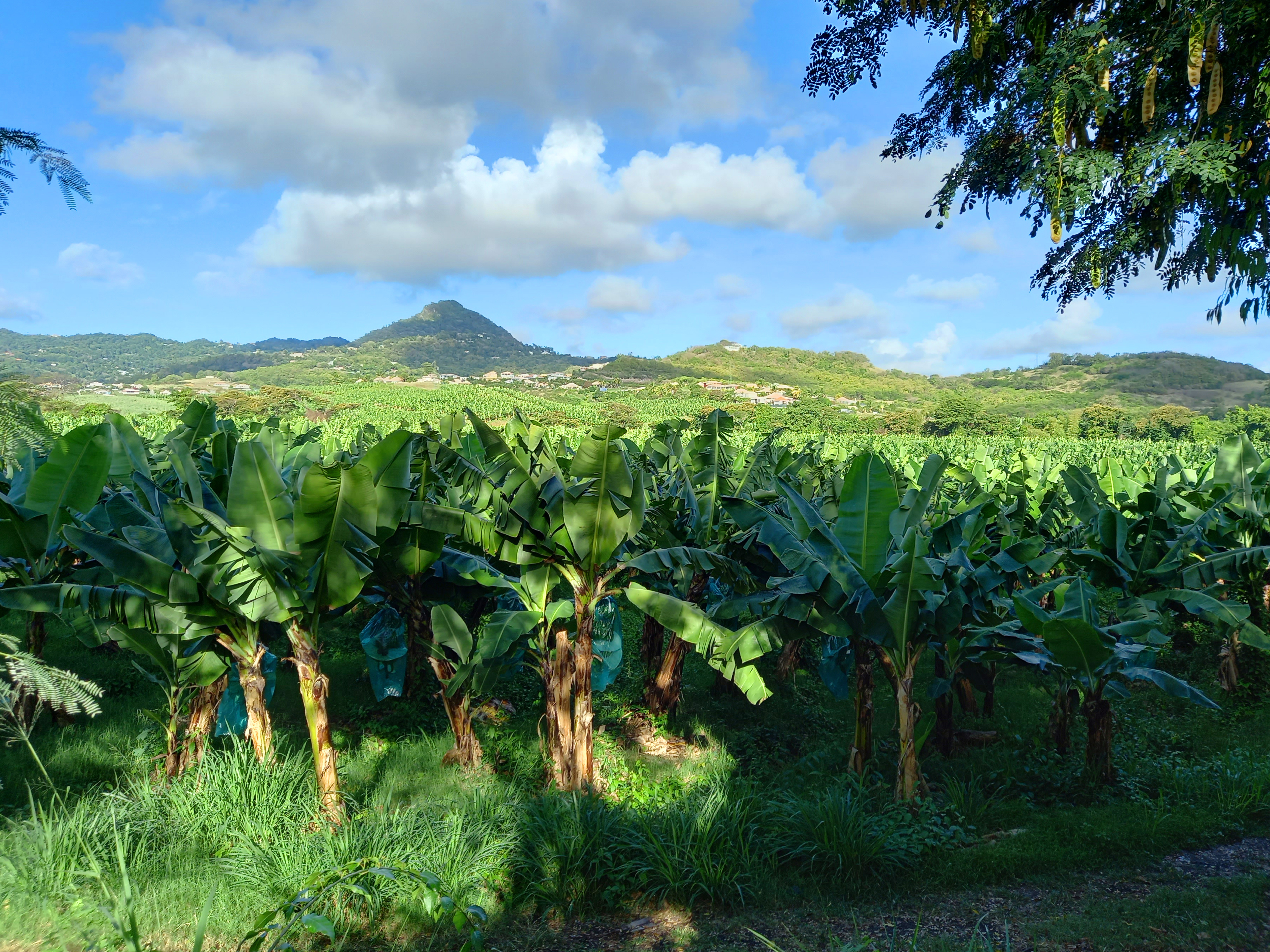
About 45 million boxes a year go to the United States. Polypack and cluster-bag counts per box and per reefer, Guayaquil, Posorja and Puerto Bolívar, and 25 to 35 days from Asia without the Panama Canal.
Read guide →
A record 133 million boxes in 2025, 17.3 percent to the United States. One farm, two packs, Puerto Antioquia since February 2026, TR4 single-use rules and transit from Asia.
Read guide →
About 29 percent of 110 million boxes go to the United States and half to Europe, so one farm runs two packs. Bag counts per box and per reefer and Moín to Port Everglades in 3 to 4 days.
Read guide →
99 percent of 23.8 million 40 lb boxes go to the United States. Polypack and cluster-bag counts per box and per reefer, Puerto Cortes to Gulfport and Tampa in 3 to 5 days.
Read guide →

Guatemala supplies close to half of U.S. banana import value. The 40 lb box, polypack and cluster-bag counts per box and per reefer, U.S. entry ports, 25 to 35 day packaging transit to Puerto Quetzal and the 12-item quote checklist.
Read guide →
1 polypack and 14 to 20 cluster bags per 18.14 kg box; 960 polypacks and up to 19,200 cluster bags per reefer. Reference specs, order weight, lead time and the 12-item quote checklist.
Read guide →
Mandarin and citrus export cartons: the 10 kg and 15 kg boxes, 25 lb masters with 5 lb mesh bags, 120 to 130 cartons per pallet, 2,400 to 2,600 per 40 ft reefer, what 14 to 18 days of cold treatment does to the board, and when to order.
Read guide →
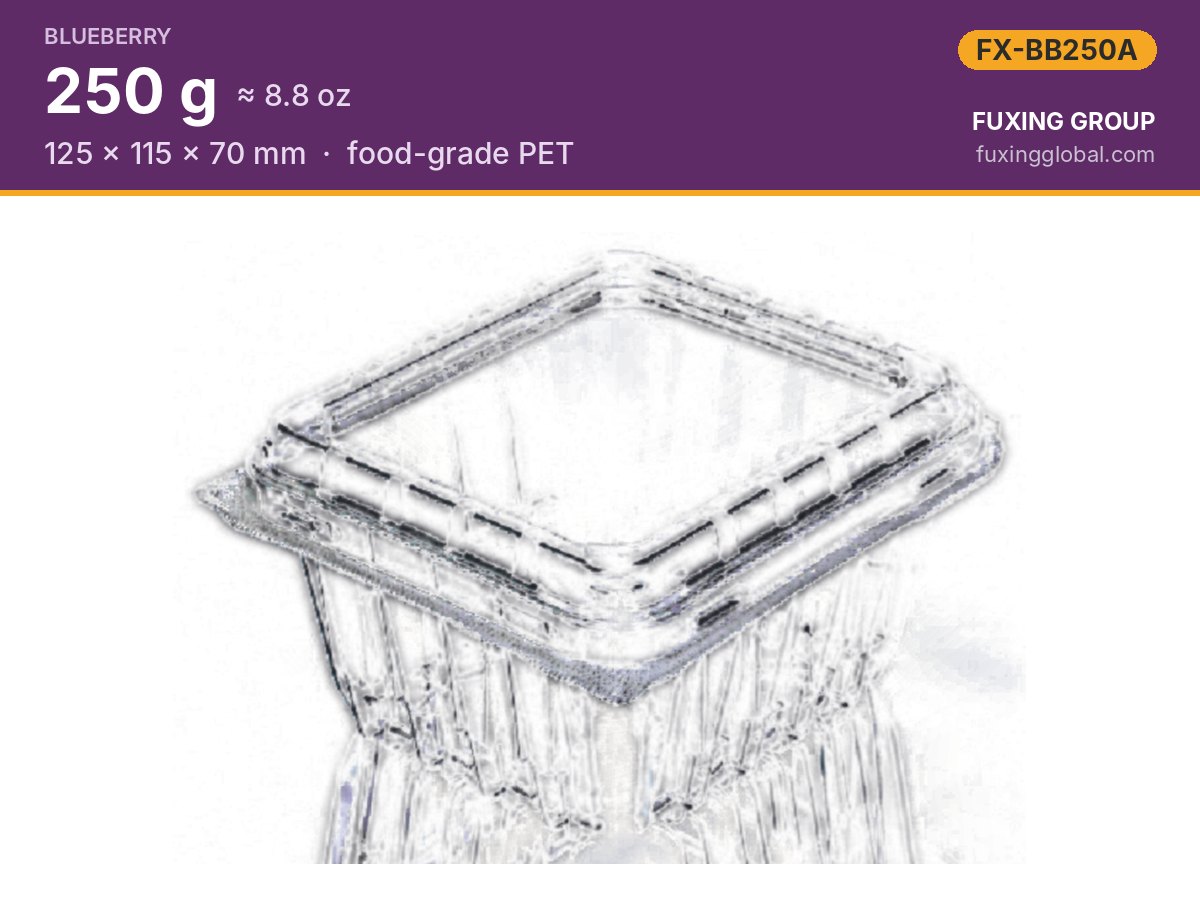
Blueberry export packaging: 125 g to 18 oz clamshells by market, flats of 12, 8 and 6, 144 to 176 flats per pallet, 2,900 to 3,500 per 40 ft reefer, MAP bags, 0 °C and 90–95 % RH cold-chain specs and the order calendar for Peru and Chile.
Read guide →
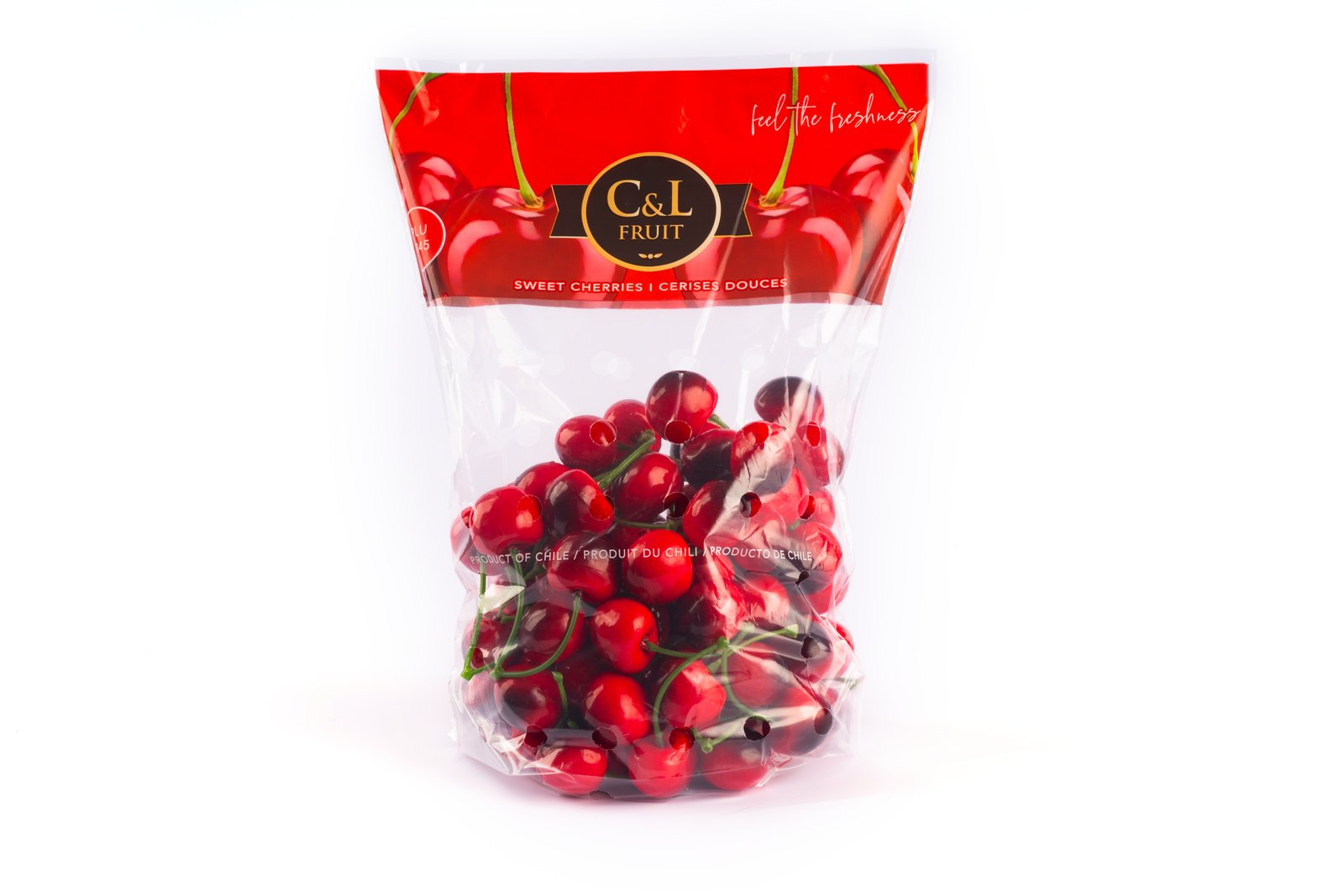
Export cherry boxes: the 5 kg and 2.5 kg formats, U.S. 20 lb and 15 lb lugs, 128 to 144 boxes per pallet, 2,560 to 2,880 per 40 ft reefer, MAP liners, cold-chain board specs at −0.5 °C and when to order for the Chilean season.
Read guide →
How Persian limes are packed for the U.S., Europe and Japan: the ventilated 40 lb carton sold by count (110 to 250), the 10 lb and 4.5 kg formats, board and vent specs for 8 to 10 °C storage, PP corrugated harvest crates, 60 to 72 cartons per pallet, 1,200 to 1,440 per reefer and what a supplier needs to quote.
Read guide →
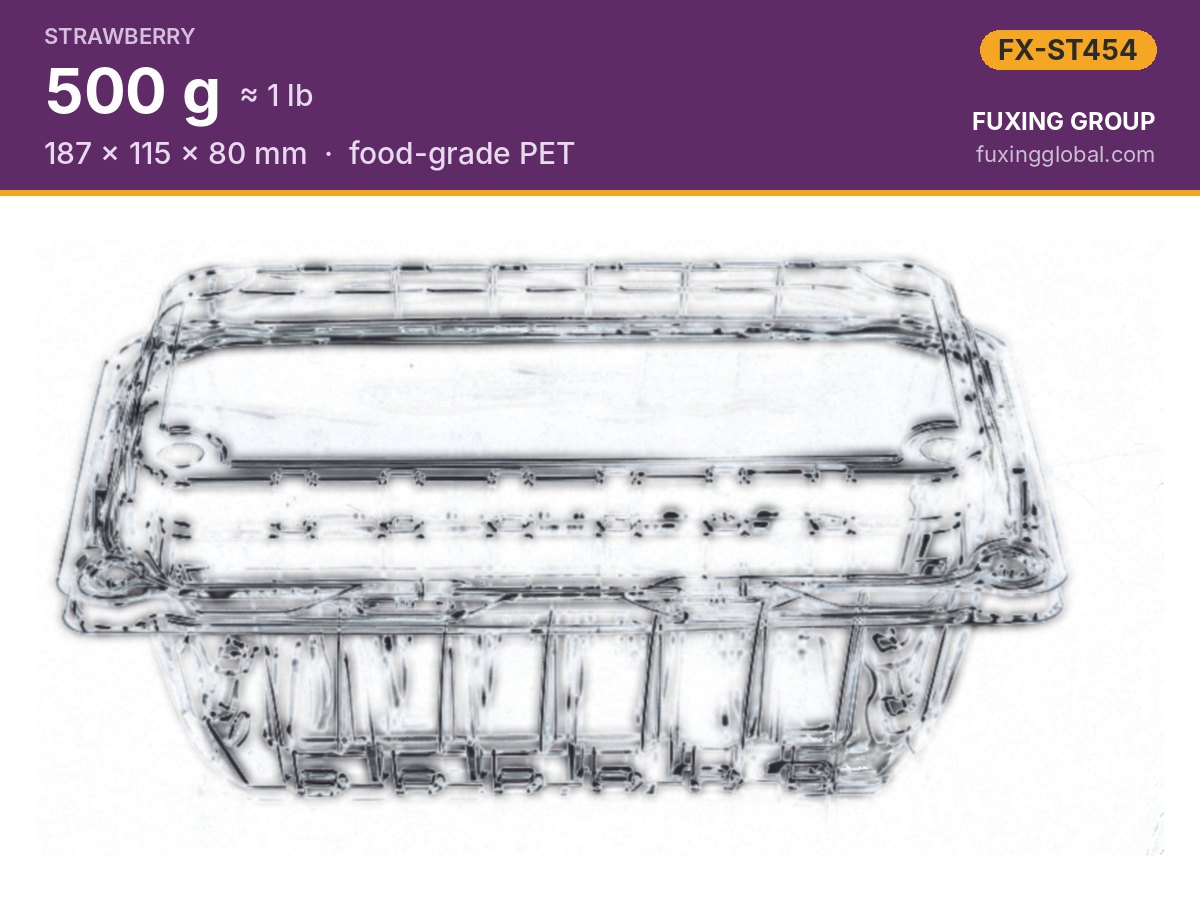
How export strawberries are packed for U.S. retail: 1 lb vented clamshells, the 8×1 lb wax-free corrugated tray (about 19.75 × 15.5 × 3.5 in), 120 trays per pallet, 0 °C and 90–95 % RH, PP corrugated harvest trays, the 2026 antidumping deposit on Mexican winter fruit and 12 points to put in a quotation request.
Read guide →
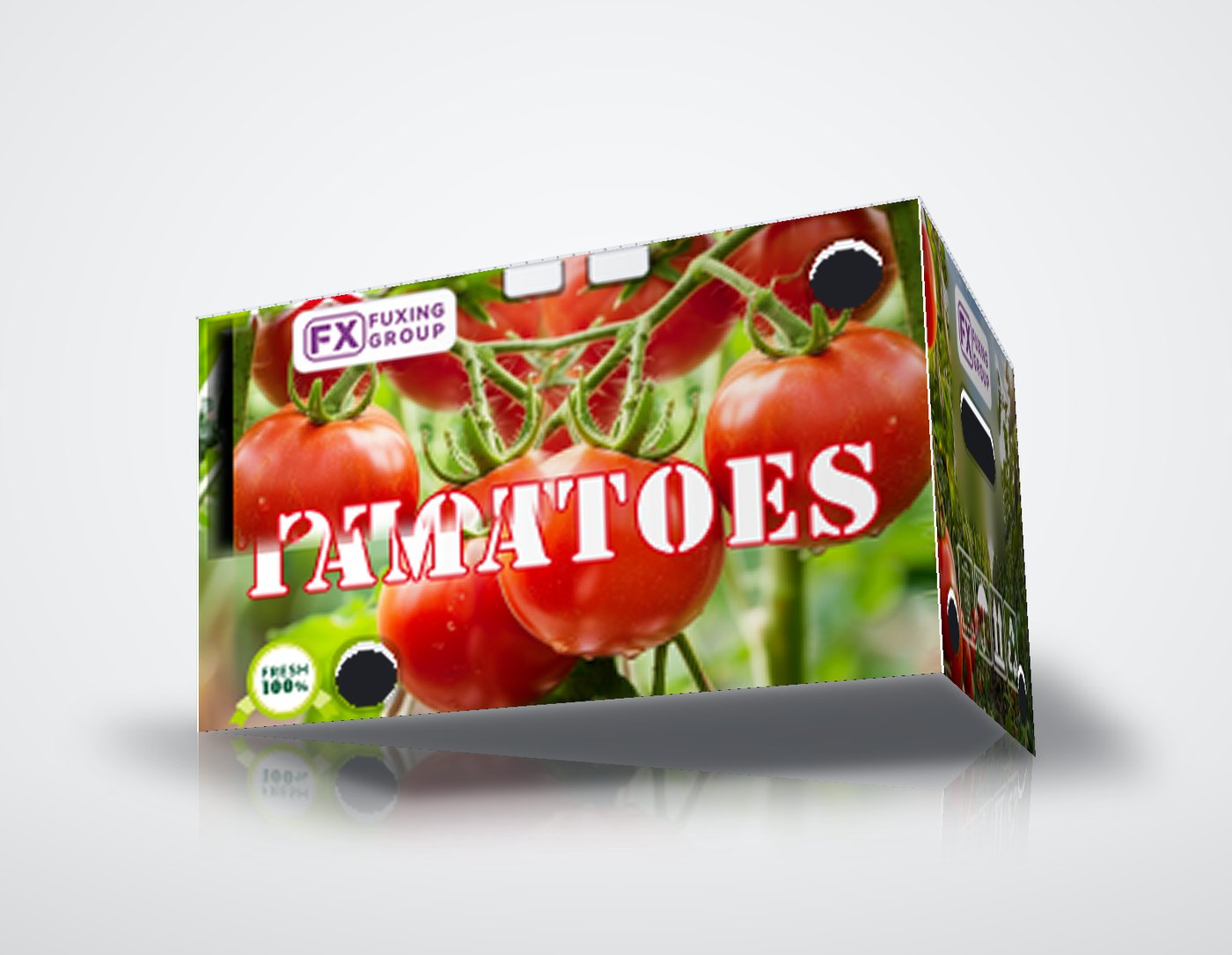
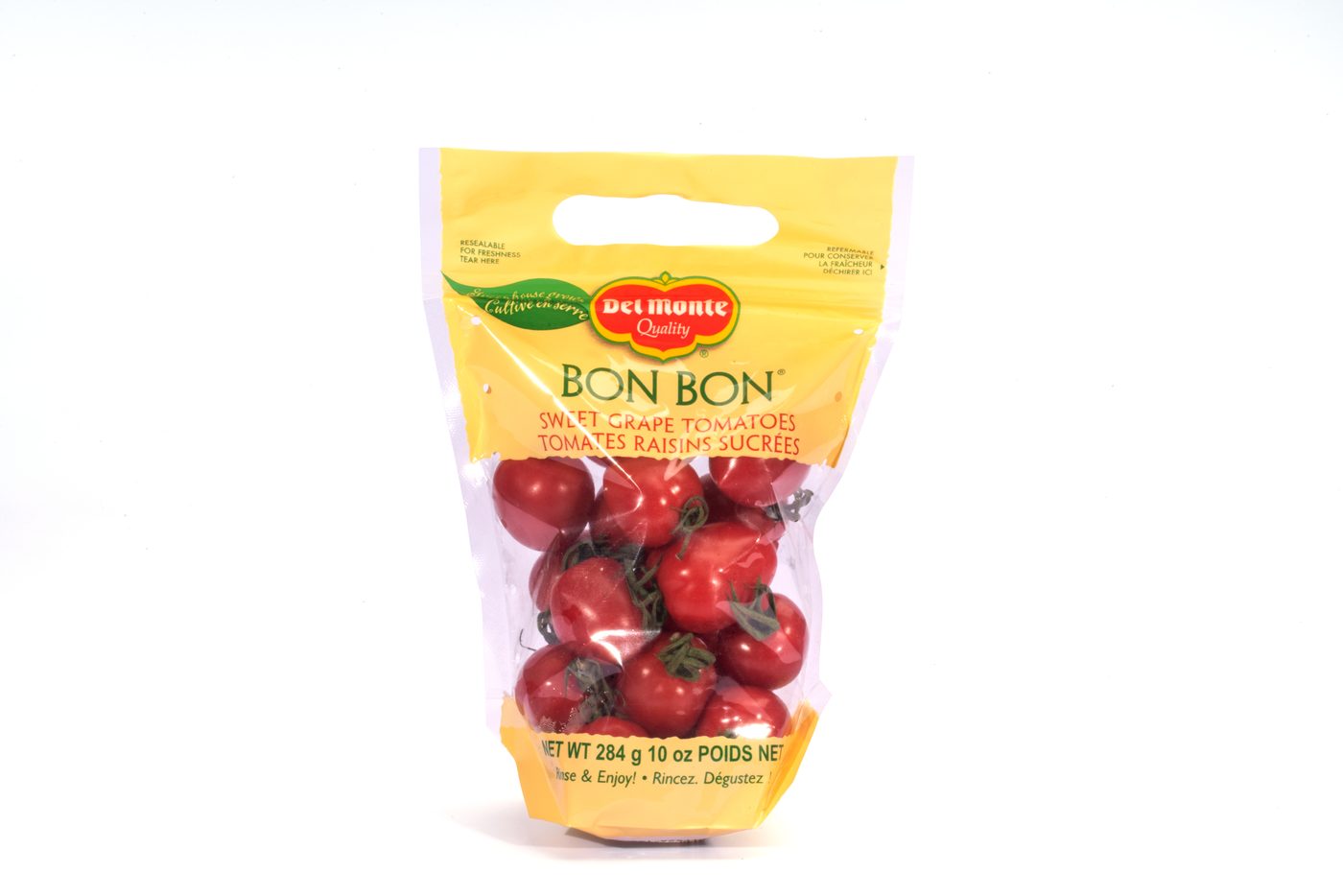
Tomato export boxes for U.S. programs: the 25 lb carton (43×29×22 cm, 48 ECT double wall), 15 lb and 10 lb greenhouse trays, 72–80 boxes per pallet, 1,440–1,760 per 53 ft trailer, UC Davis temperatures and PP harvest crates.
Read guide →
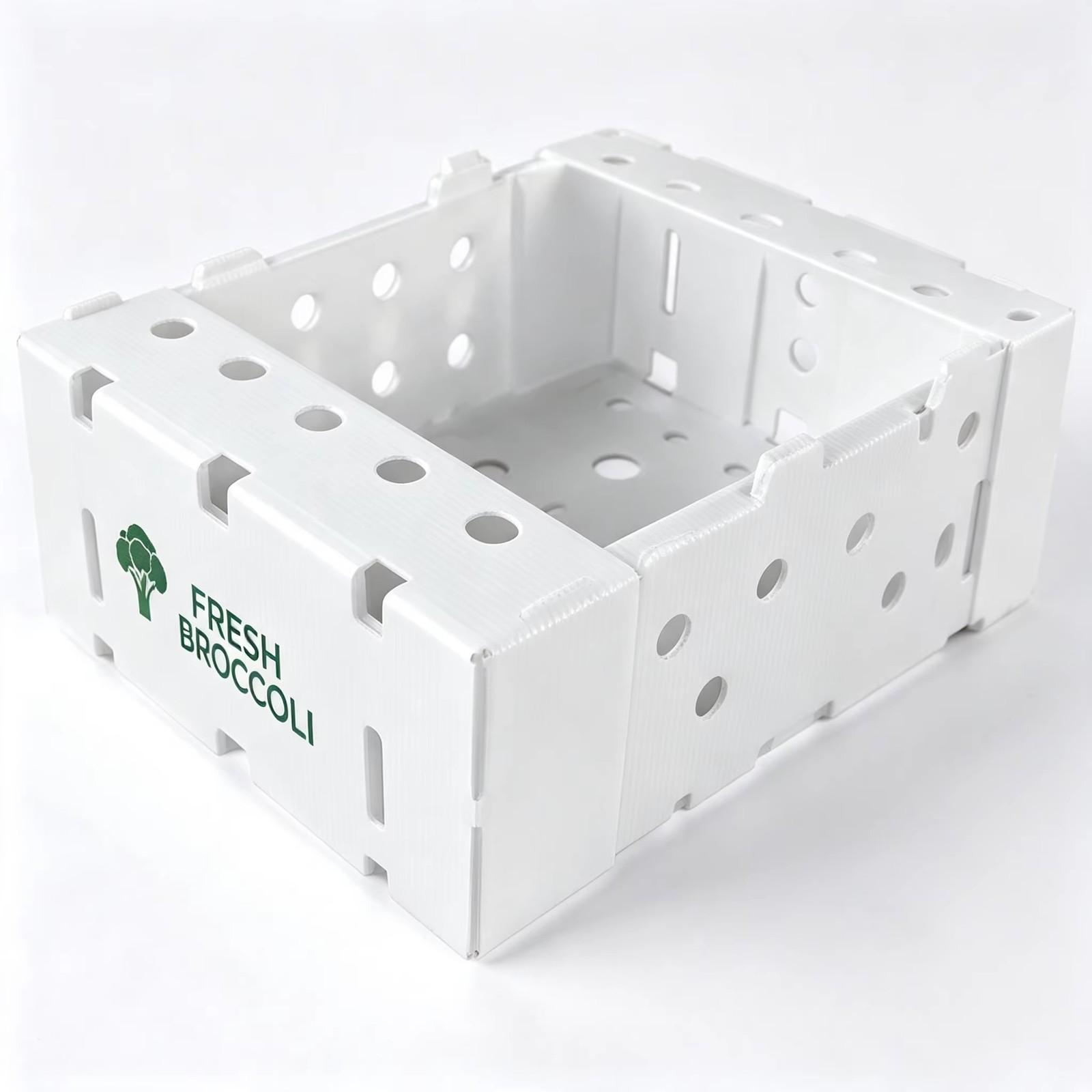
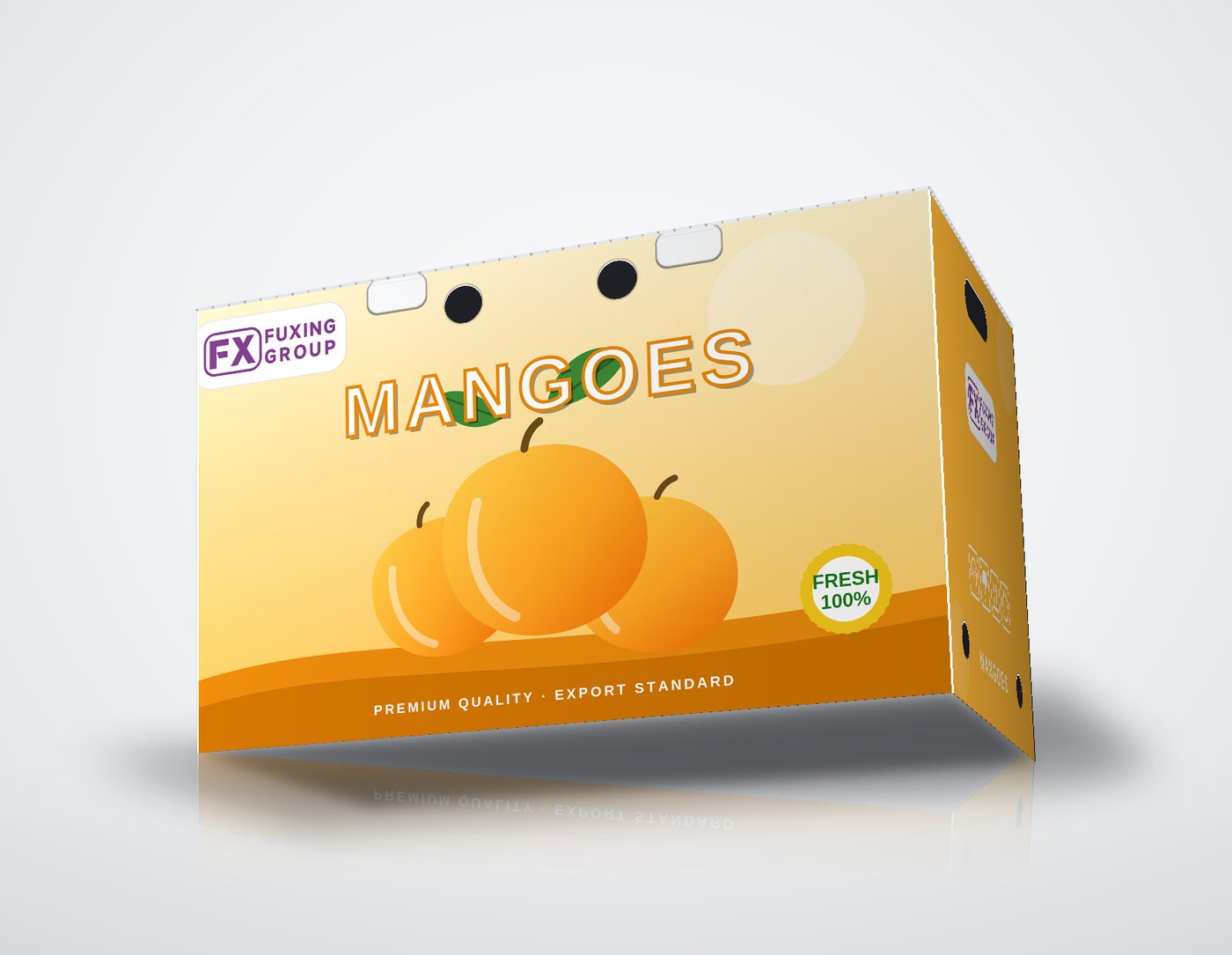
Mango export packaging for U.S. programs: 4 kg box counts, C-flute 200 lb burst minimum, 144–195 boxes per pallet, hot-water schedule and PP harvest crates.
Read guide →
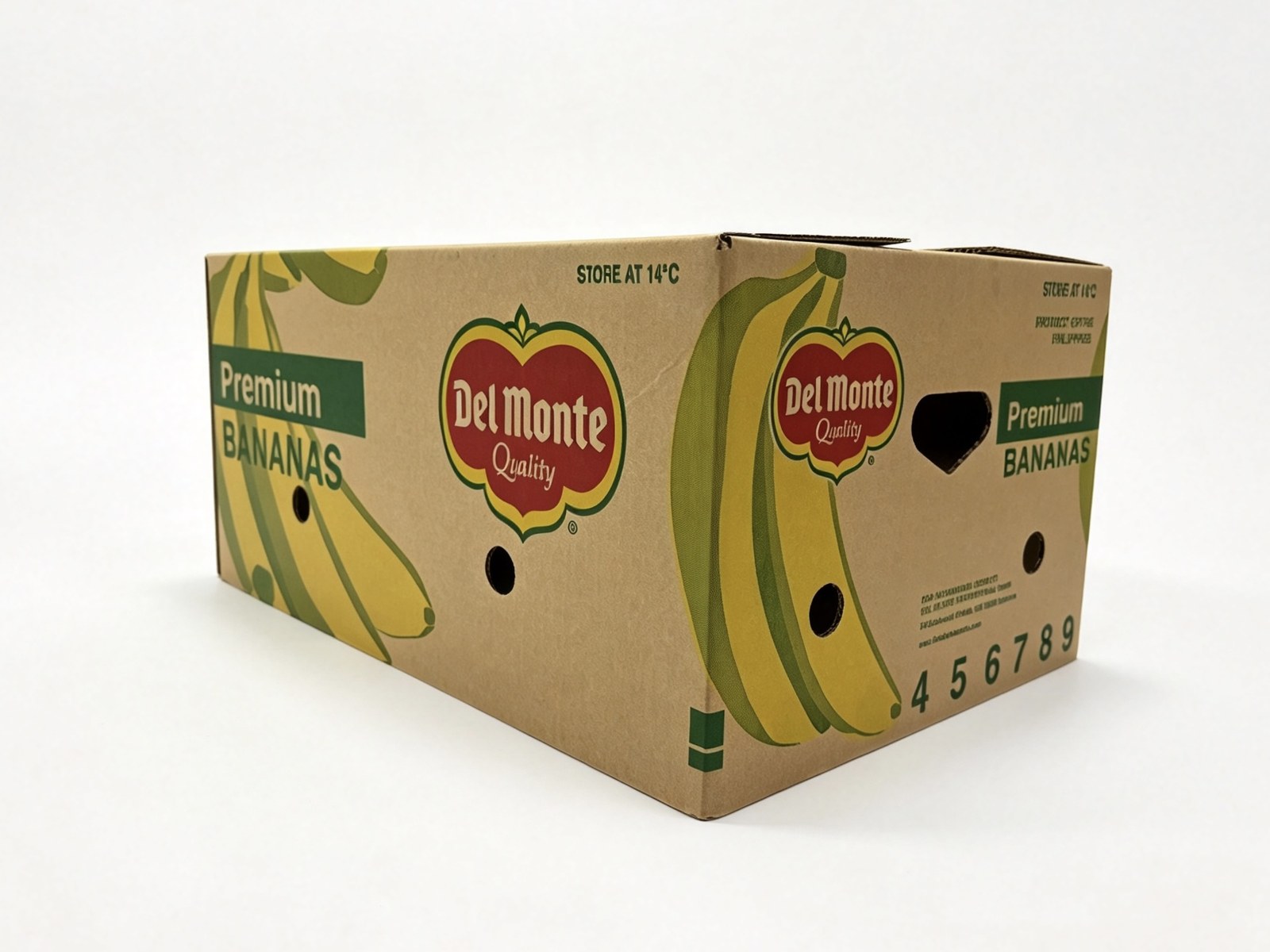
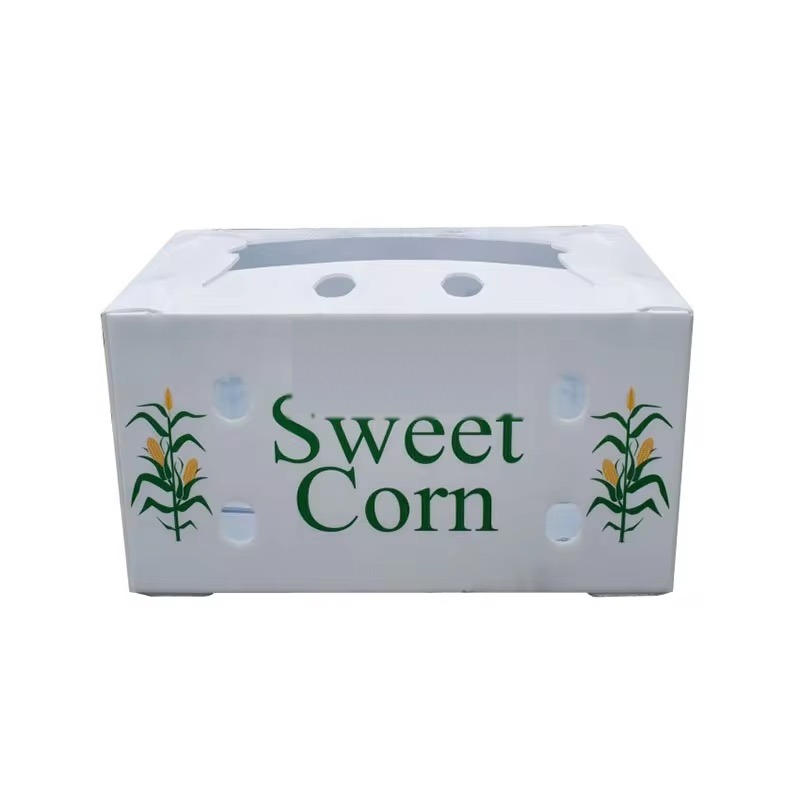
Sweet corn crates hold 4–4½ dozen ears (42 lb); green bean boxes 26–31 lb per bushel. Wirebound, waxed, RPC and PP corrugated plastic boxes compared with USDA data.
Read guide →
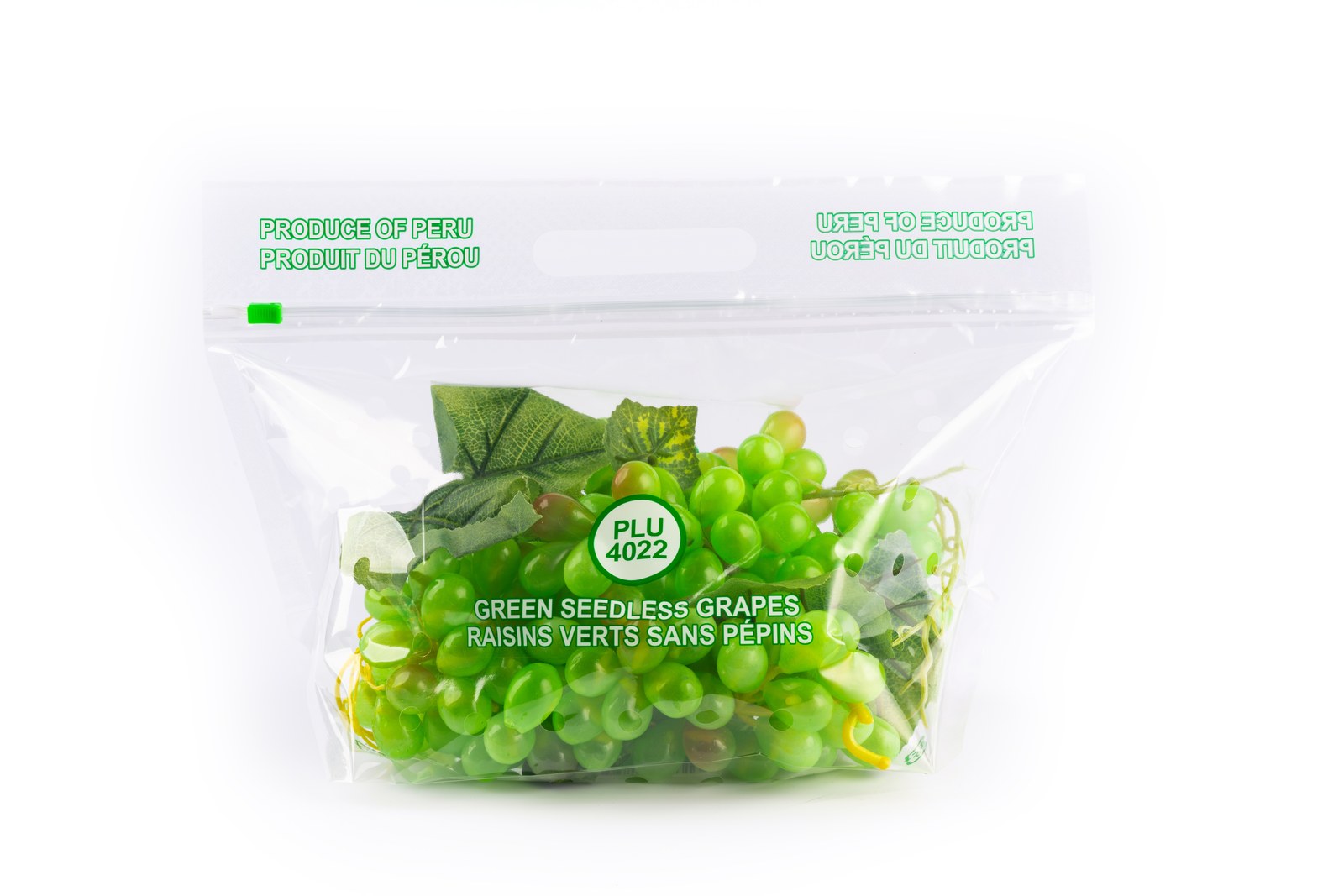
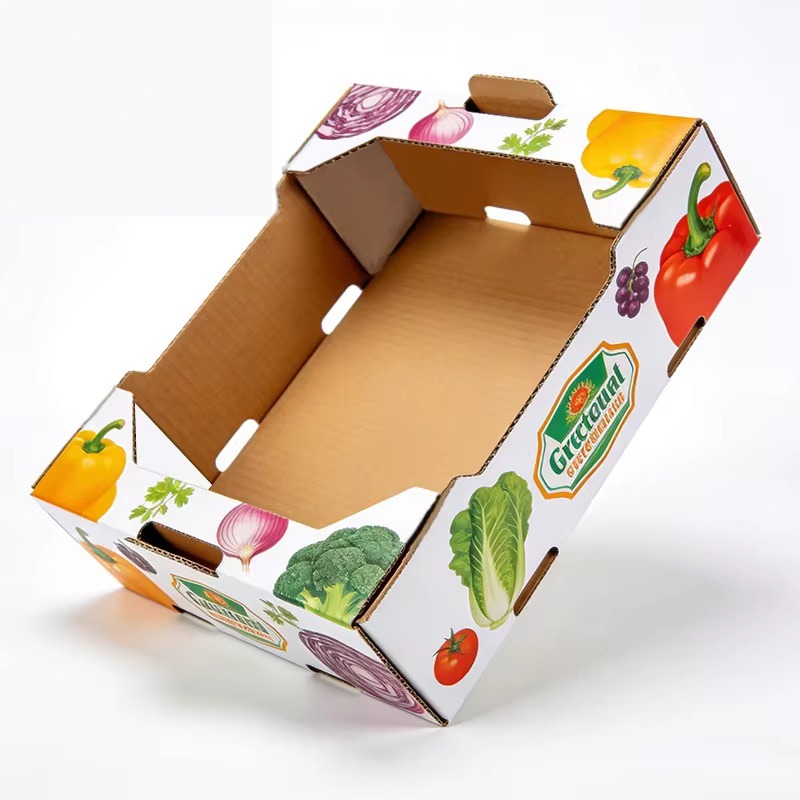
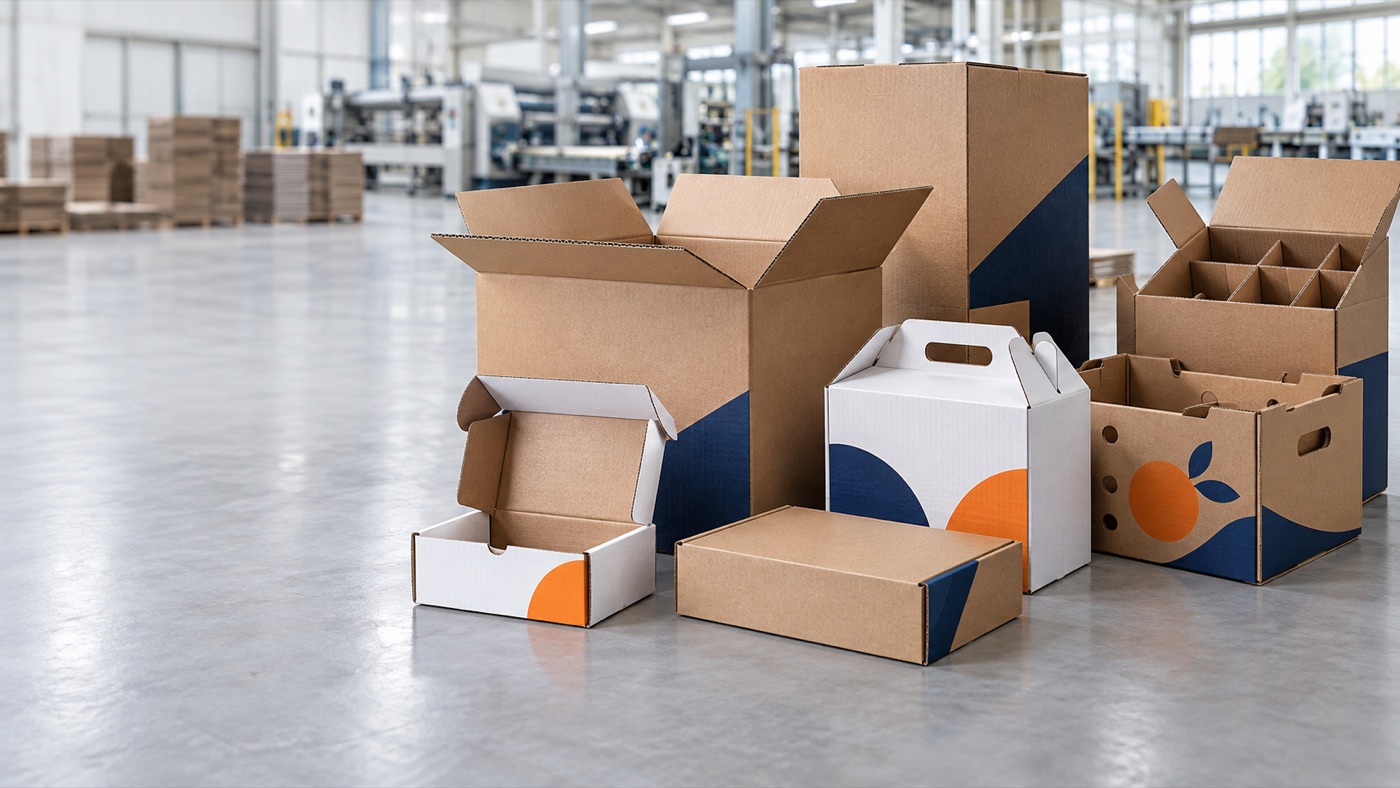
How to order custom corrugated plastic boxes: 8 box styles, 6 joining methods, thickness by load, printing options, cost drivers and a 12-line RFQ checklist.
Read guide →
After the 2026 US AD/CVD orders: US, Australian, European and Philippine makers of corrugated plastic produce and seafood boxes compared, plus five questions to ask any supplier.
Read guide →
Thickness and gsm for 2–10 mm sheets, weight per 4×8 ft sheet, sheets per tonne, how US orders treat sheets vs box blanks, MOQs and the RFQ data that gets you a firm price.
Read guide →
Telescopic 50 lb carton for green plantain: finger count, liners, 8–12 °C cold chain, boxes per 40 ft reefer and what to specify before you order.
Read guide →
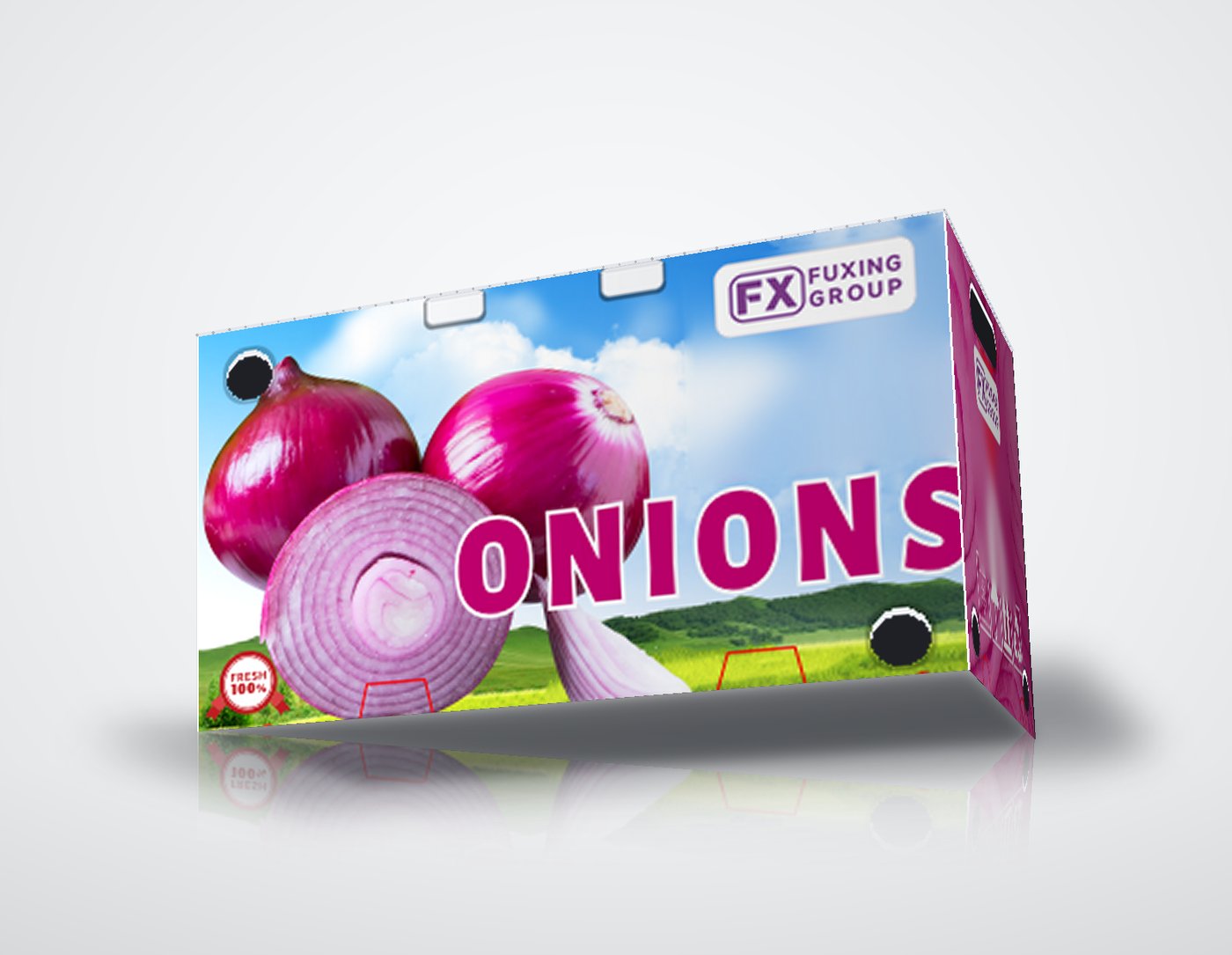
Mesh bag vs carton vs PP box, storage temperature and humidity, pack sizes and tonnes per 40 ft reefer for garlic and onion exporters.
Read guide →
Export cartons, breathable vegetable bags, mesh bags and PP corrugated plastic boxes from one plant in Tangxia, Dongguan — near Guangzhou and Shenzhen. Specs by crop, plant visits and the RFQ checklist.
Read guide →
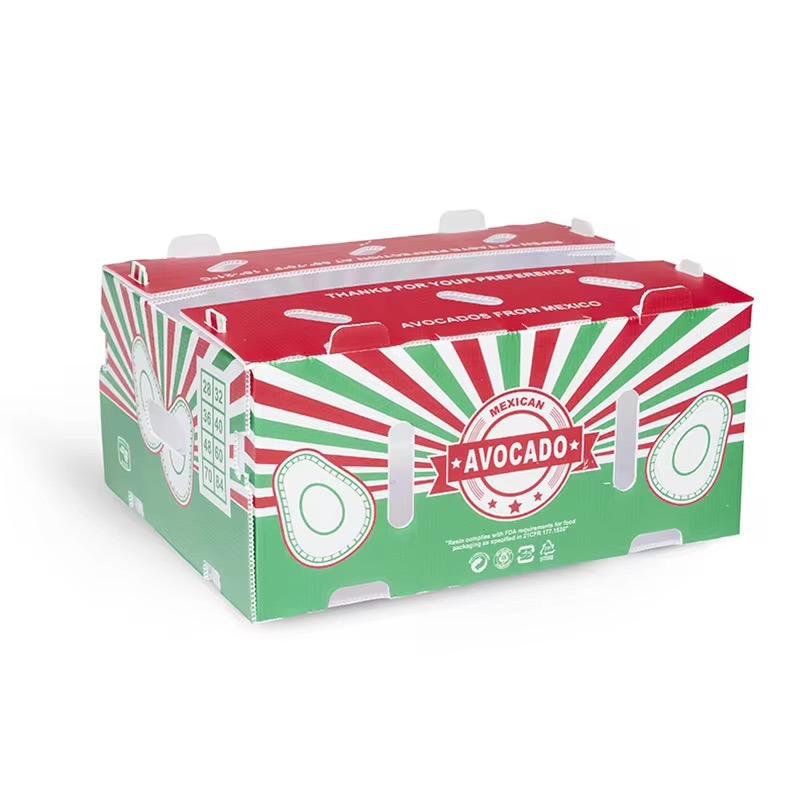
Mexico shipped 501,824 t of avocados to the U.S. in January–April 2026 alone. Which box (25 lb, 4 kg, 10 kg), which harvest crate, how many boxes per 40 ft reefer, and when to confirm the order.
Read guide →
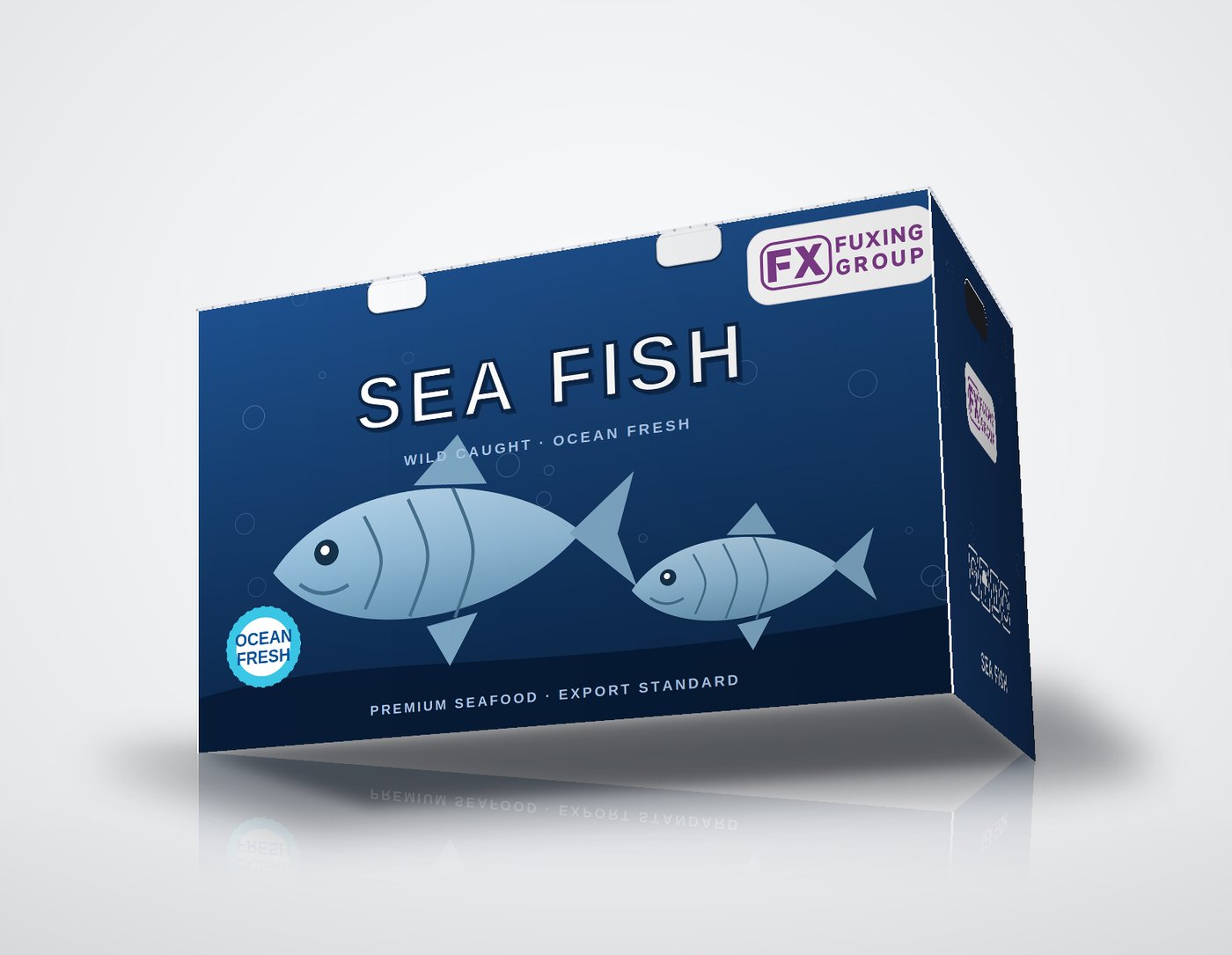
Which container for which job: insulated totes, PP corrugated fish boxes, wet lock boxes, foam and trays — sizes, capacities, ice ratios, prices and reuse math for seafood buyers.
Read guide →
Sealed MAP vs laser micro-perforated liners for export cherries: target O₂/CO₂, film thickness, liner sizes for 5 kg boxes, price ranges and when Chilean and Peruvian exporters must order.
Read guide →
How many trips a returnable PP corrugated box really lasts and what each trip costs vs single-use cardboard and pooled RPCs — with size tables, loss allowances and container loading.
Read guide →
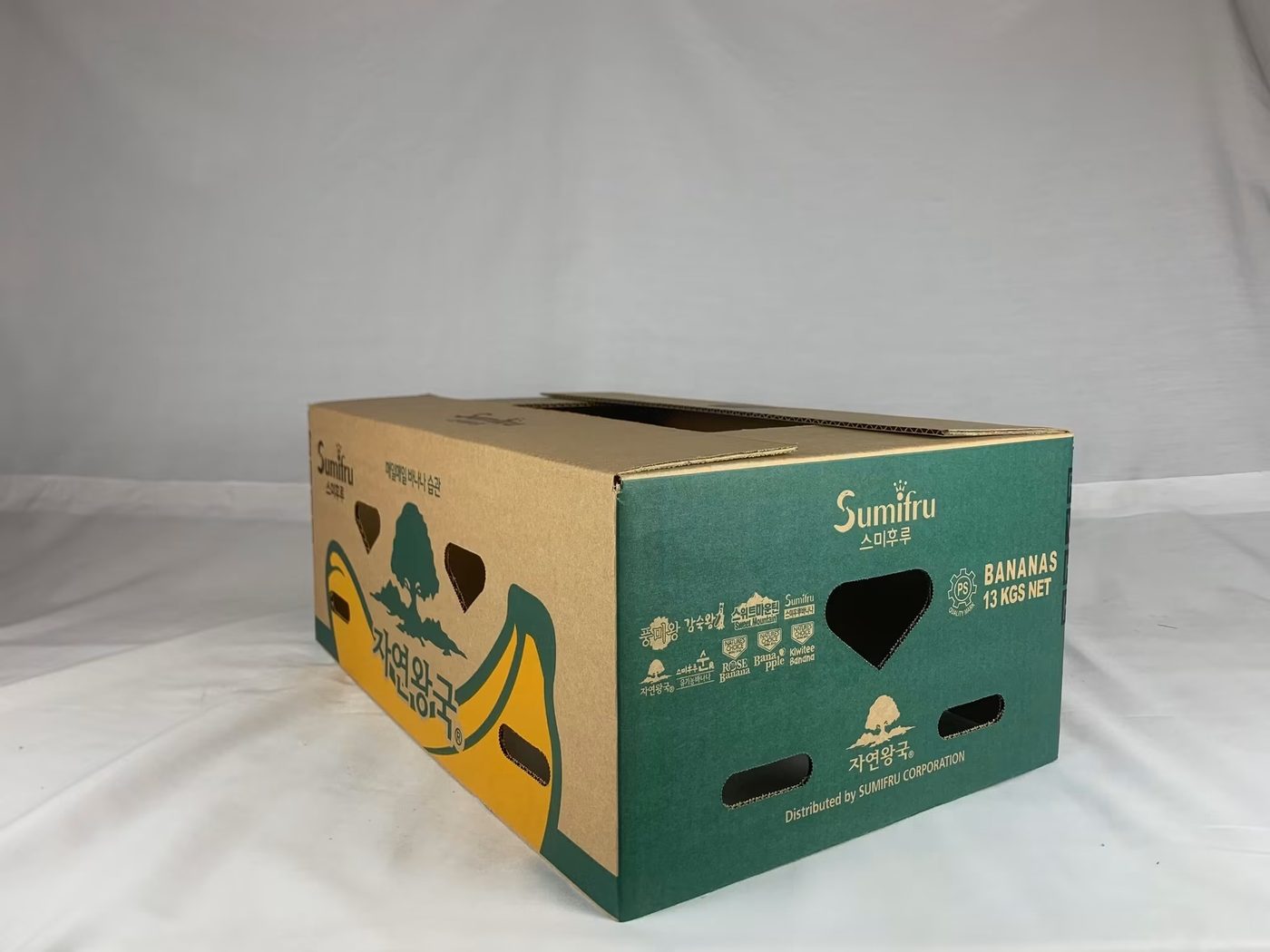
Net-weight programs (13 / 18.14 / 19.5 kg plus 50 lb plantain), 48 boxes per pallet, 960 per reefer, board grade specified for 90% humidity, MOQ and lead times — buying direct from the factory.
Read guide →
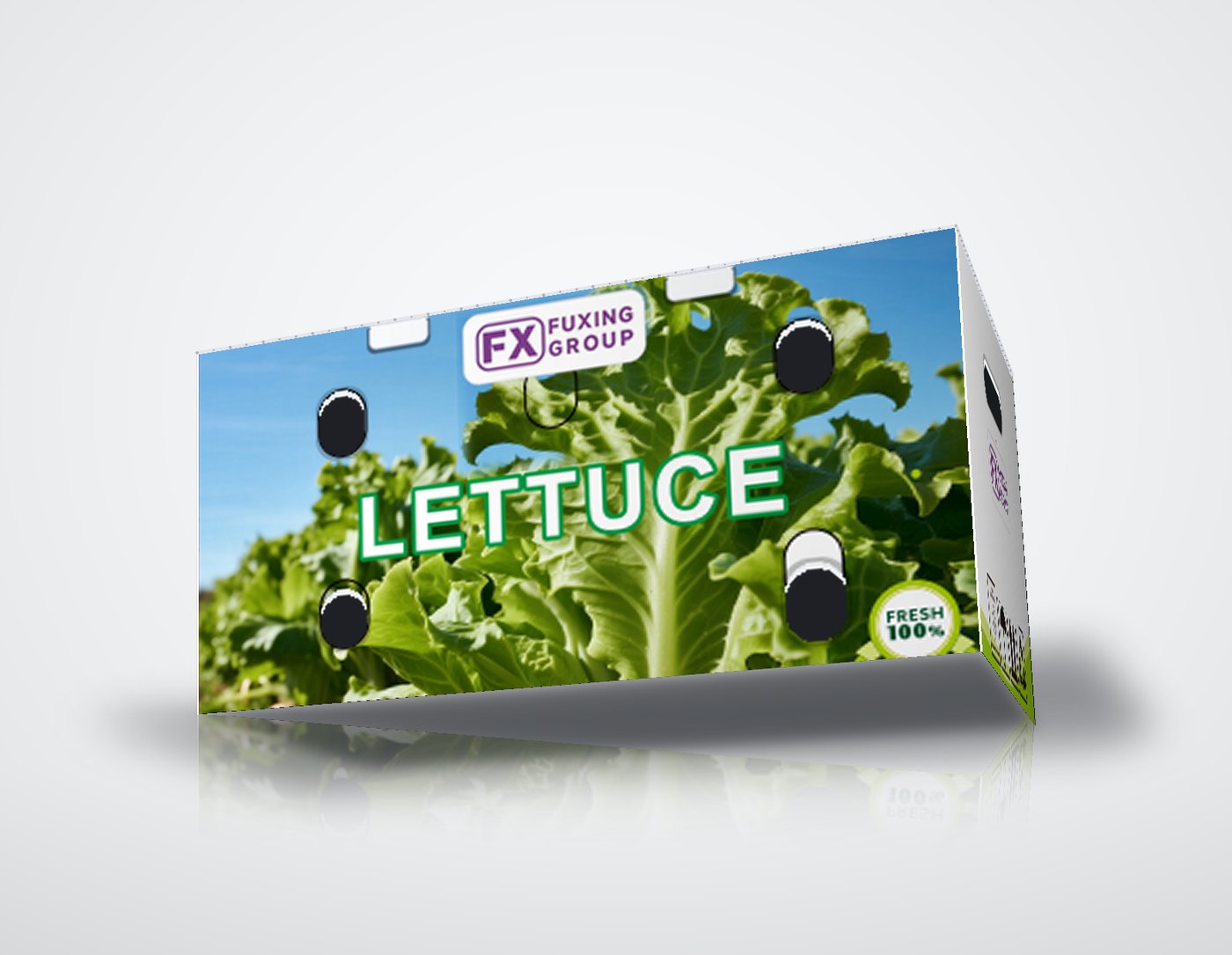
Real carton specs for lettuce, romaine, iceberg and bunched greens — plus waxed vs wet lock vs PP corrugated cost per trip when the load is iced.
Read guide →
Control inside dimensions, box style, board, flute, print, joints, palletization, testing, quantity and delivery before comparing quotations.
Build a quote-ready RFQ →
A sourcing route for distributors and foodservice packaging buyers: plant-specific specification, flat-pack logistics, origin records and a transparent landed-cost comparison.
Compare the Philippine route →
Specification-led supply from Calamba, Laguna for restaurants, QSR groups, commissaries and distributors, with specifications and documents confirmed per order.
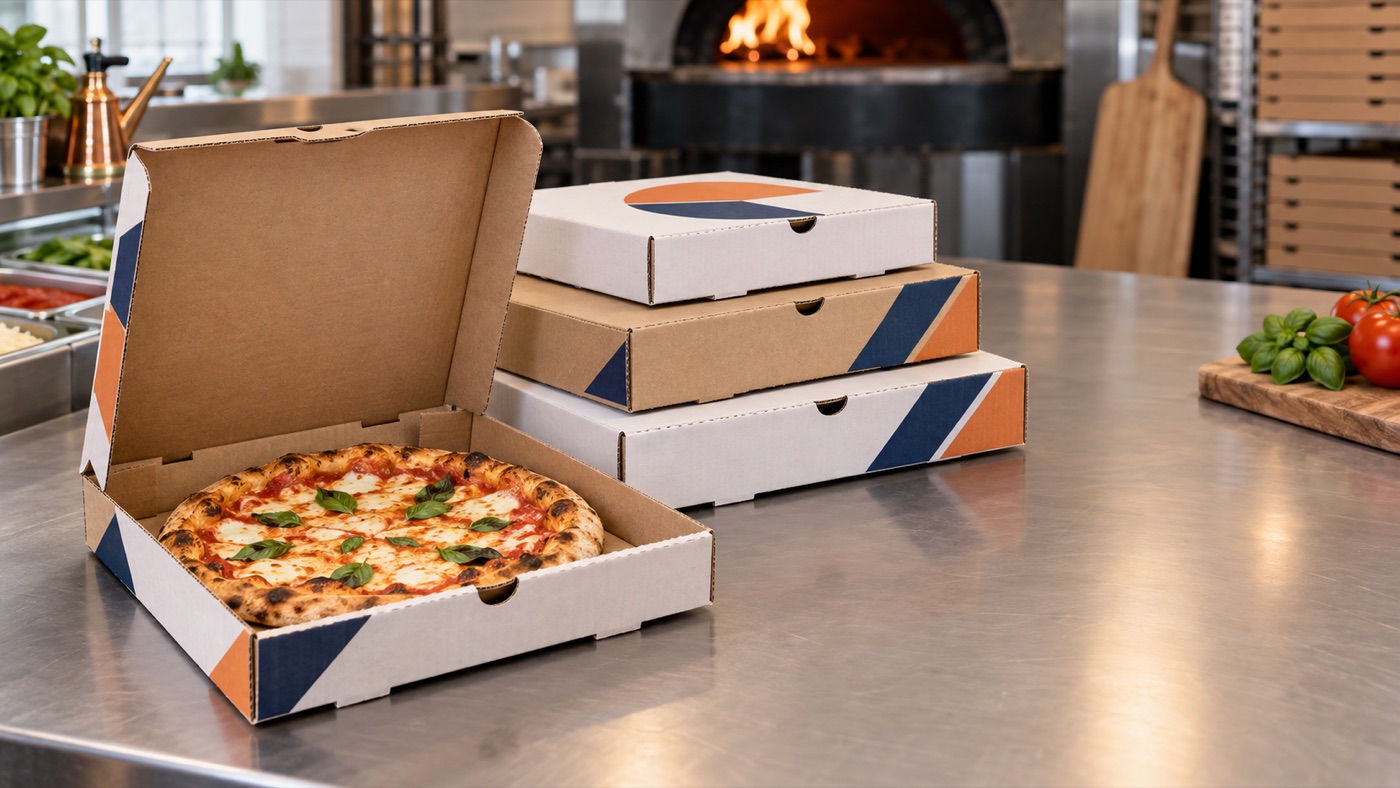
See the Calamba pizza-box range →
Specify the food, service route, dimensions, board, vents, locks, print, material evidence, packing and hot-food trial.
Prepare the pizza-box RFQ →
Compare cost per usable box with verified container use, origin records, broker-reviewed customs treatment and a complete route trial.
Model the landed cost →
A Chinese-language RFQ, approval and PEZA transaction-boundary guide for factories buying cartons in the Philippines.
Read in Chinese →
Define critical, major and minor defects by consequence, then document lot, sample, Ac/Re, disposition, reinspection and corrective evidence.
Build the inspection plan →
Control dieline, revision, copy, translation, color, barcode data, quiet zones, placement, physical proofs and release authority.
Use the preflight checklist →
Convert a flat-pack drawing into repeatable assembly checks, a measured layer pattern, controlled restraint and a route-tested unit load.
Plan the unit load →
Reconcile the invoice, packing list, transport document, origin evidence, production facts and broker assumptions before loading.
Use the document gate →
A Latin America buyer checklist for factory identity, food-contact evidence, print/perforation control, samples, changes and landed cost.
Read in Spanish →
A Vietnamese RFQ, sample matrix and three-stage route trial for macro- and micro-perforated produce bags.
Read in Vietnamese →
Define wash, rinse, sanitize, drying, inspection, release, tracking and reject ownership—then measure cost per successful trip.
Use the operations checklist →
Compare baseline and candidate packages through four gates, with critical pass/fail rules, route evidence and a downloadable CSV.
Open the scorecard →
What each test measures, why dry results do not prove wet-route performance, and a copyable RFQ and pallet-trial checklist.
Read test guide →
Control dimensions, sheet weight, flute, joints, vents, drains, print, palletization, testing and realistic reuse assumptions.
Copy the specification →
How crop respiration, fill weight, temperature, film and hole geometry work together—plus a three-stage trial plan and complete RFQ checklist.
Read guide →
A practical way to verify factory identity, food-contact documents, print control, testing, traceability, capacity, samples and export execution.
Use the checklist →
Compare wet-strength corrugated cartons and reusable PP totes by water exposure, sanitation, return logistics, damage risk and cost per trip.
Compare options →
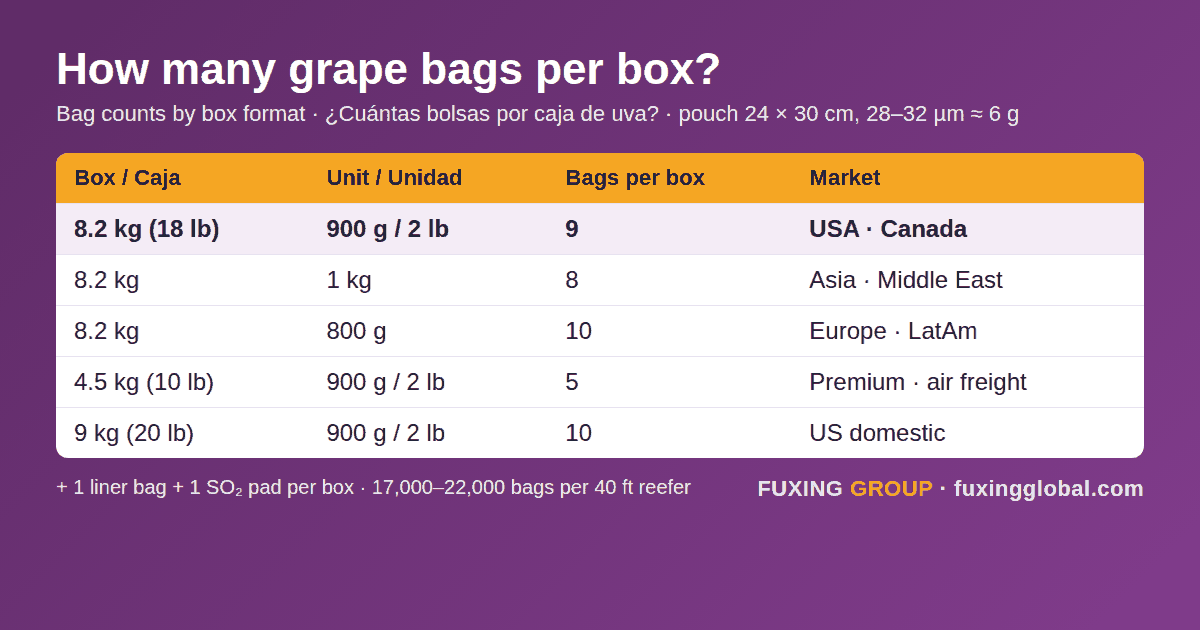
Bag counts for 8.2 kg, 4.5 kg and 9 kg boxes, pouch / cone / bunch / liner sizes and microns, grams per bag, bags per pallet and reefer, indicative prices, MOQ and an ordering calendar for Peru, Chile and Mexico.
Read guide →
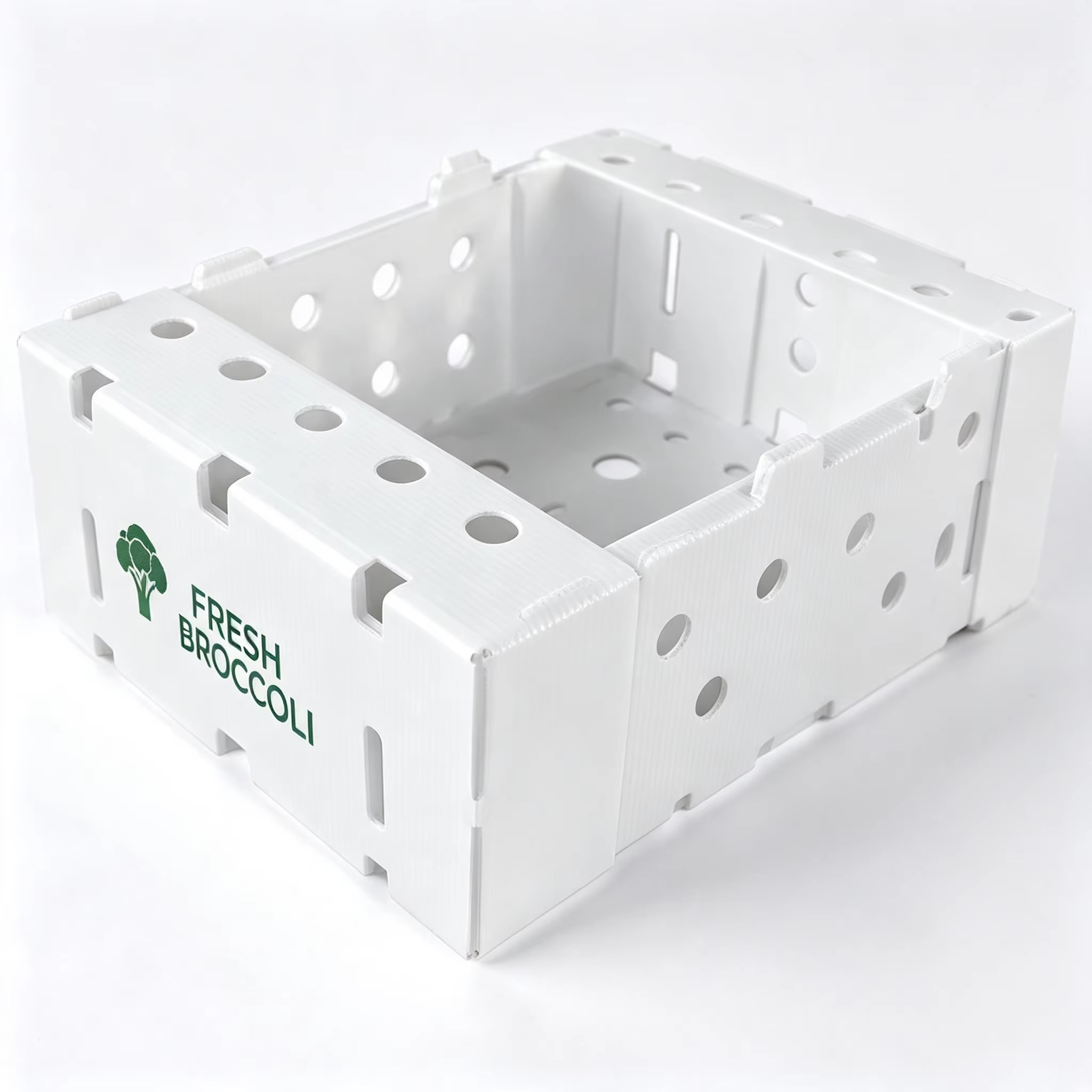
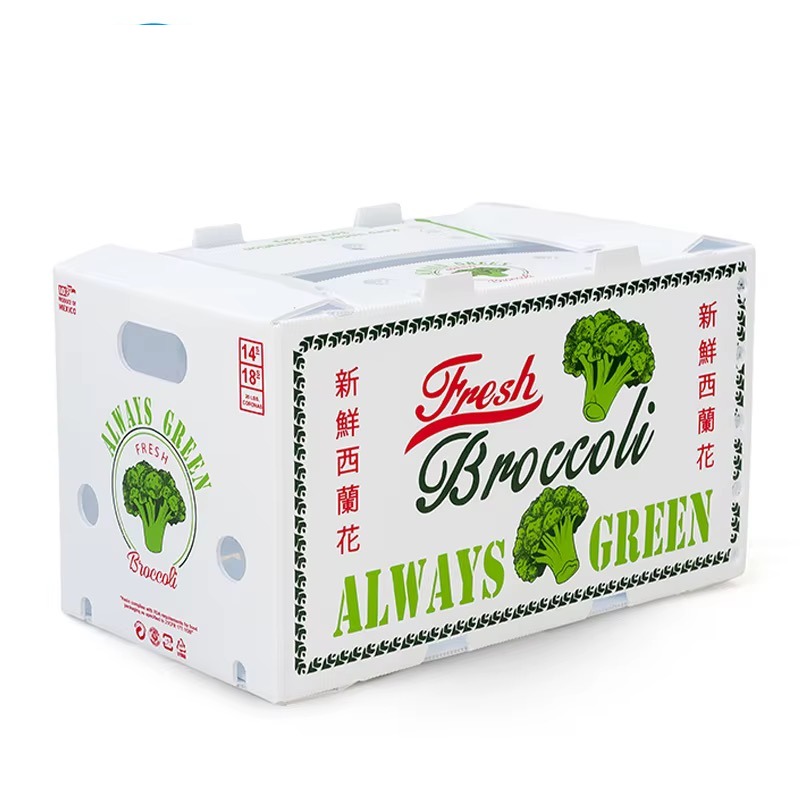
Iced broccoli destroys plain corrugated. Compare waxed wet lock cartons with reusable PP corrugated boxes: 14s/18s and crown-cut sizes, 4 mm drain-slot spec, cost per trip, MOQ, lead times and 40HQ loads.
Read guide →
Why asparagus ships upright: 11 lb pyramid crates and 28 lb cartons, hydrocooling and moist pads, waxed wet lock vs reusable PP corrugated crates, sizes, prices, MOQ and container loads.
Read guide →
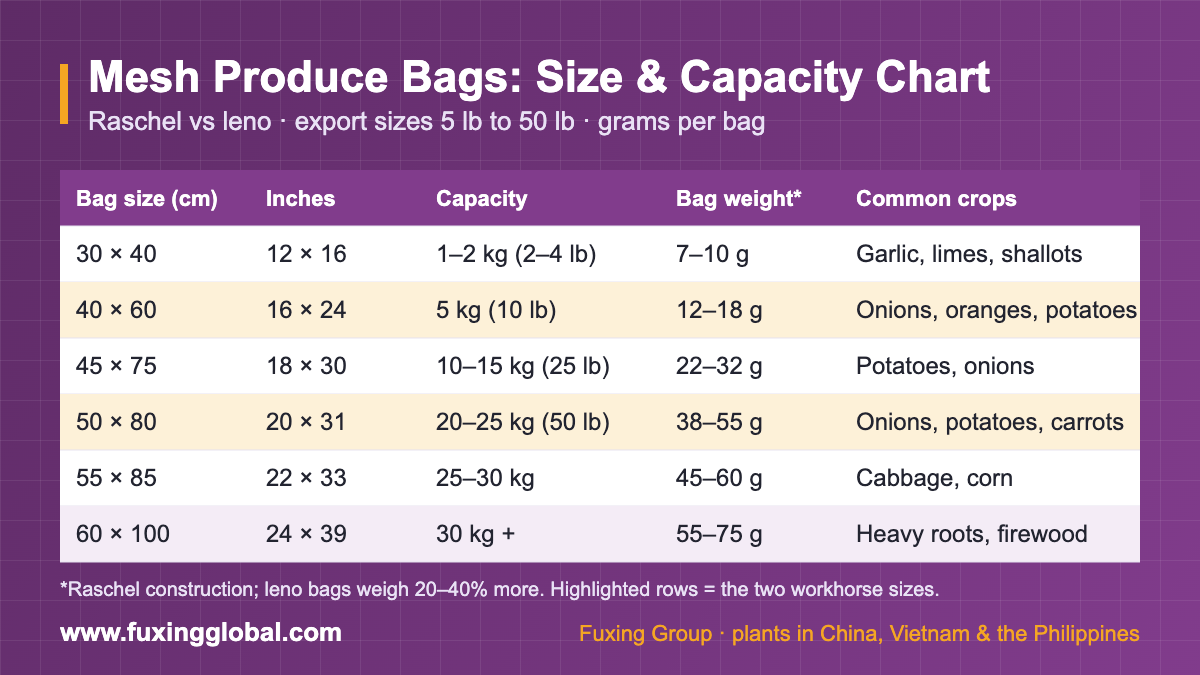
Raschel, leno and tubular mesh compared, a 30×40 to 60×100 cm size-and-capacity chart with grams per bag, color conventions, closures, wholesale price ranges, MOQ and lead times.
Read guide →
Wood, molded plastic, collapsible PP corrugated and cardboard crates compared on price, weight and life, plus standard crate sizes, bushel weights by crop and how to buy in bulk.
Read guide →
Thickness in mm and inches, grammage, sheet weight, cardboard equivalents and how much a box built from each wall thickness carries — totes, produce and fish boxes, sign blanks, bulk bins.
Read guide →
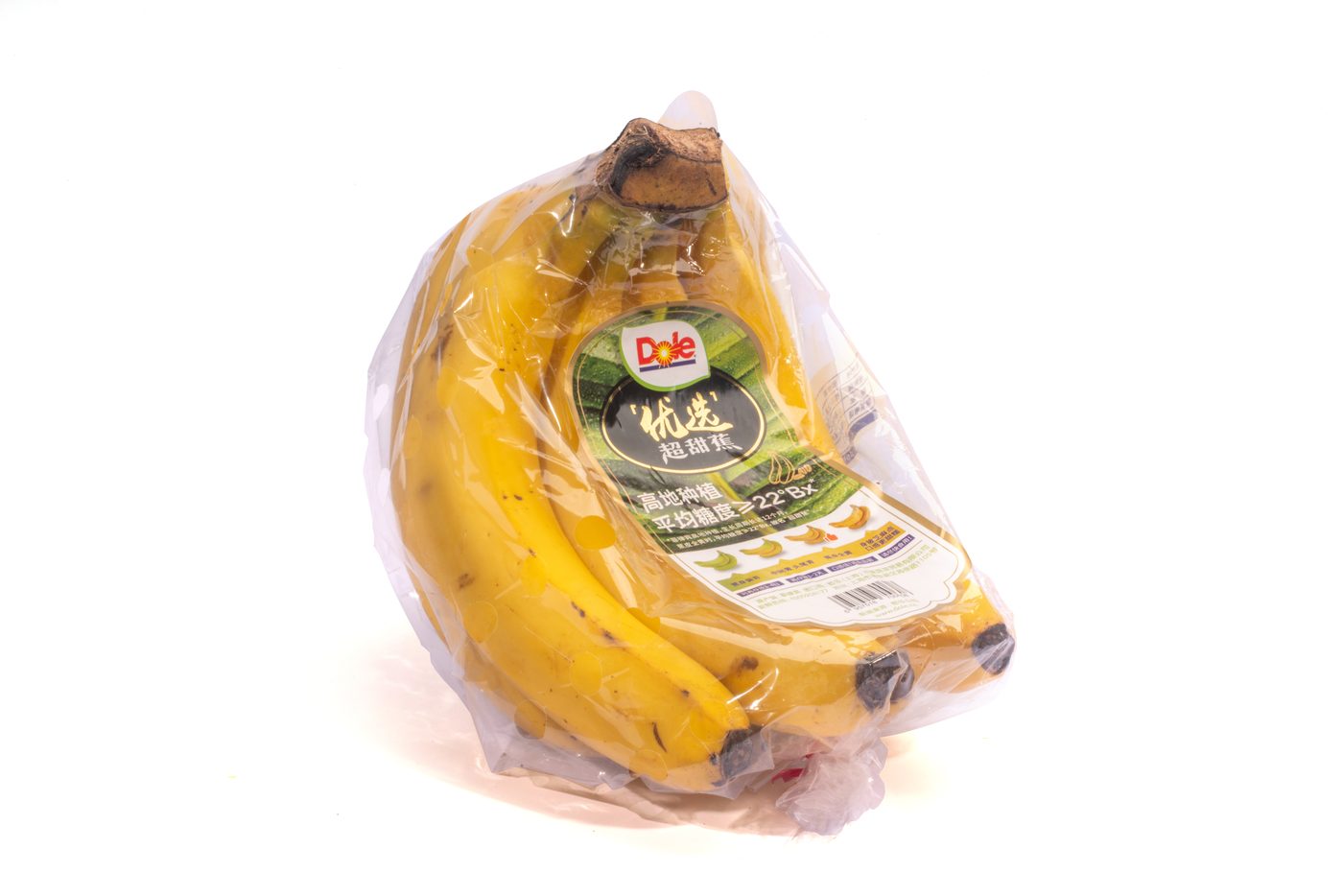
Three bags every export banana passes through, typical gauges, and why a Davao carton maker prints cluster bags for Sumifru, Unifrutti and 7-Eleven programs. For Ecuador, Costa Rica, Colombia and Philippine exporters.
See banana bags →
Slider/zipper pouches, cone bags, laser micro-perforated cherry bags and blueberry films — with a season calendar showing when to approve artwork for Callao, Valparaíso and San Antonio.
See grape & cherry bags →
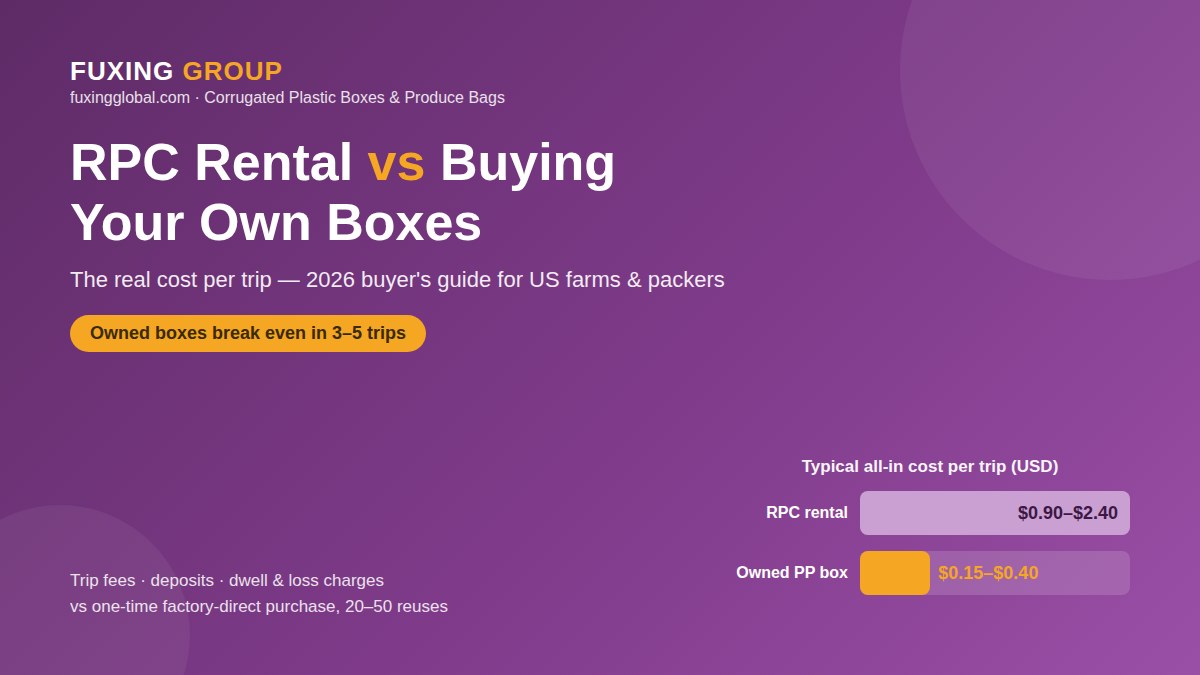
Compare pooled RPC and owned PP-box programs with current quotes, washing, return freight, loss and measured successful trips. Includes an editable model and FAQ.
Read guide →
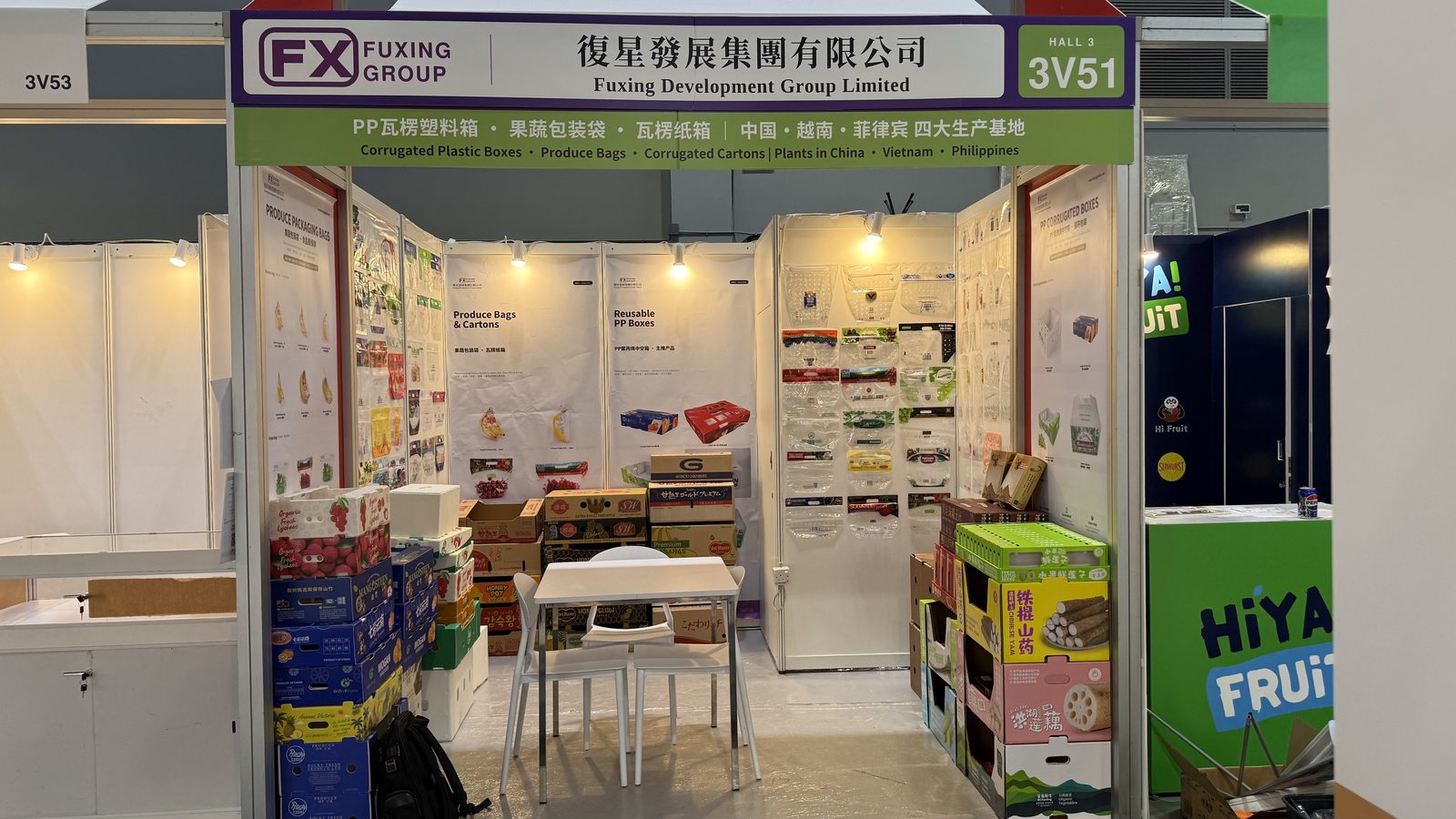
What we showed in Hong Kong on 2–4 September, the questions buyers asked most, and where to get the spec sheets if you missed us.
See the recap →
Why growers and packers combine PP corrugated boxes and produce bags in one order — simpler sourcing, one QC, one container, and Philippine-made boxes outside the U.S. AD/CVD orders.
See the offer →
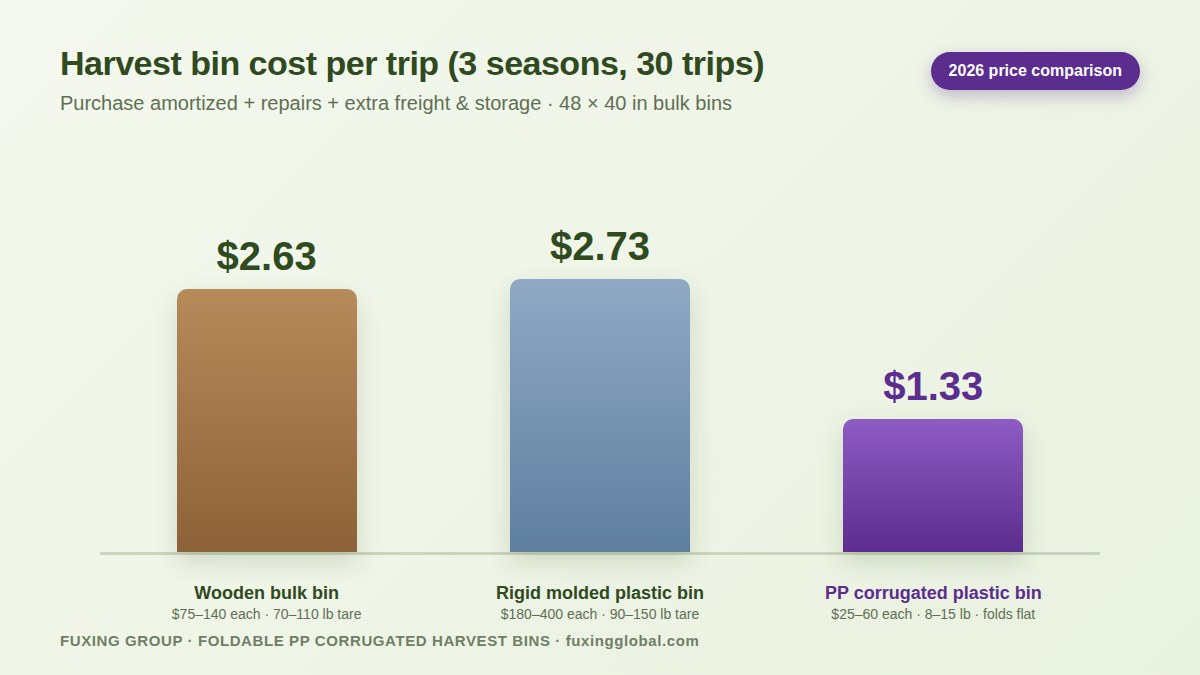
Wooden, rigid plastic or PP corrugated bulk bins — purchase price, tare weight, freight, sanitation and lifespan compared, with a per-trip cost model.
Read guide →
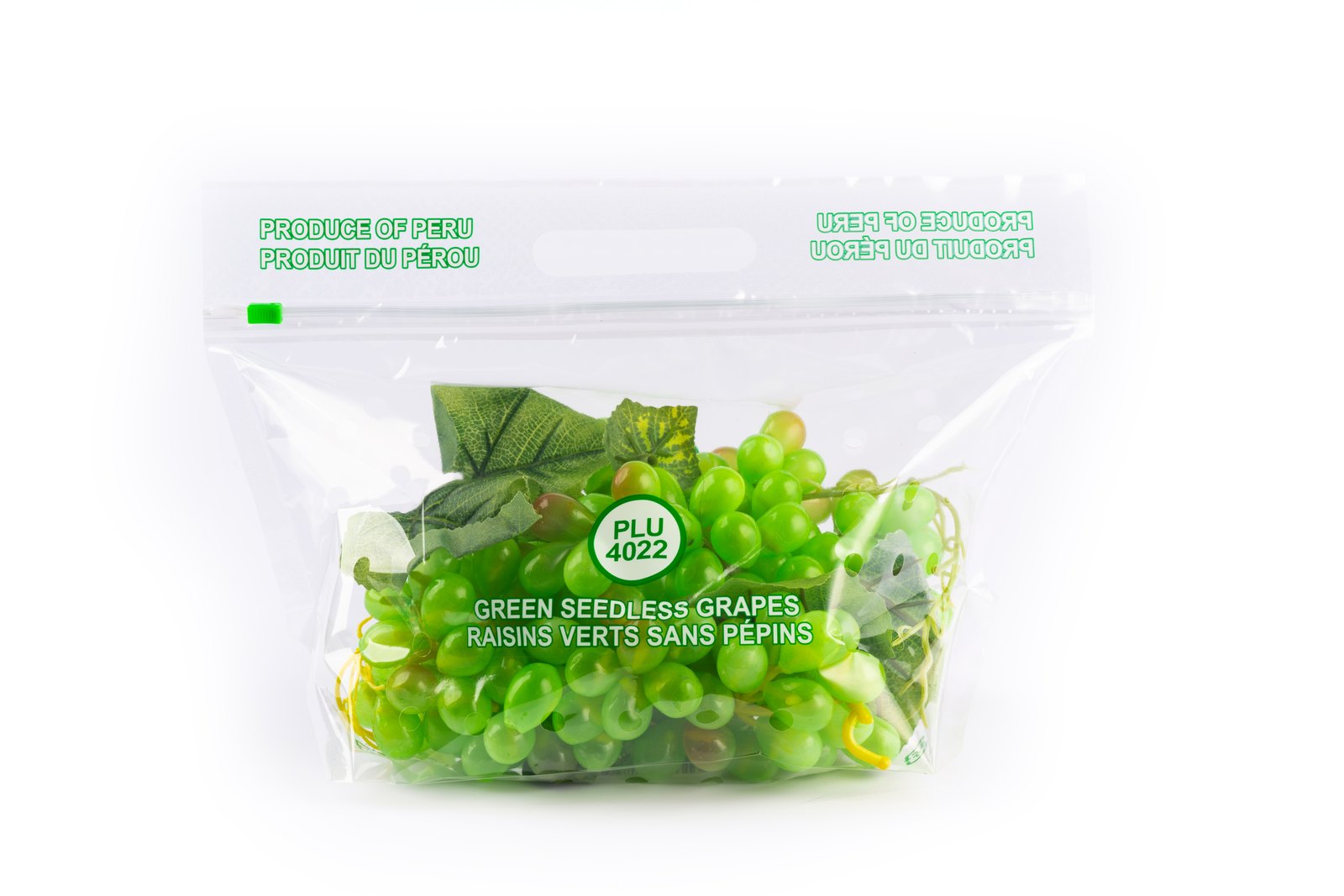
Which bag fits each crop — bananas, grapes, cherries, leafy greens — with typical film specs and a sourcing checklist for buyers.
Read guide →
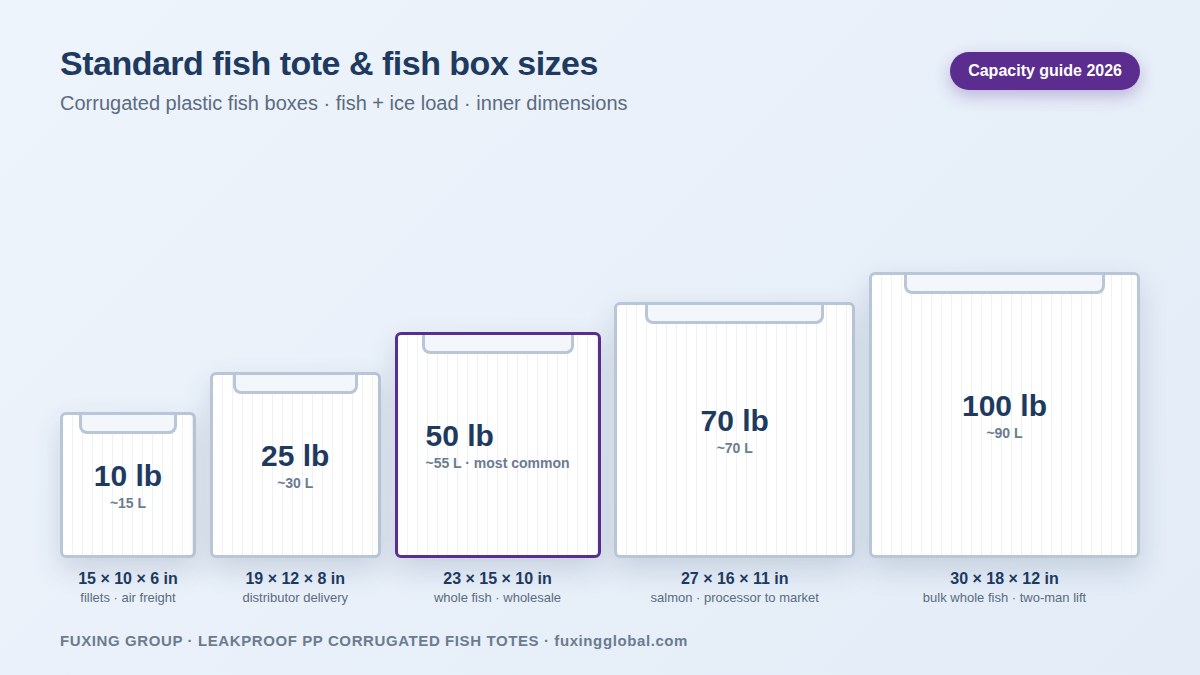
Standard fish box sizes with capacity in lbs and litres, ice-to-fish ratios, pallet loading math and an EPS vs waxed vs corrugated plastic comparison.
Read guide →
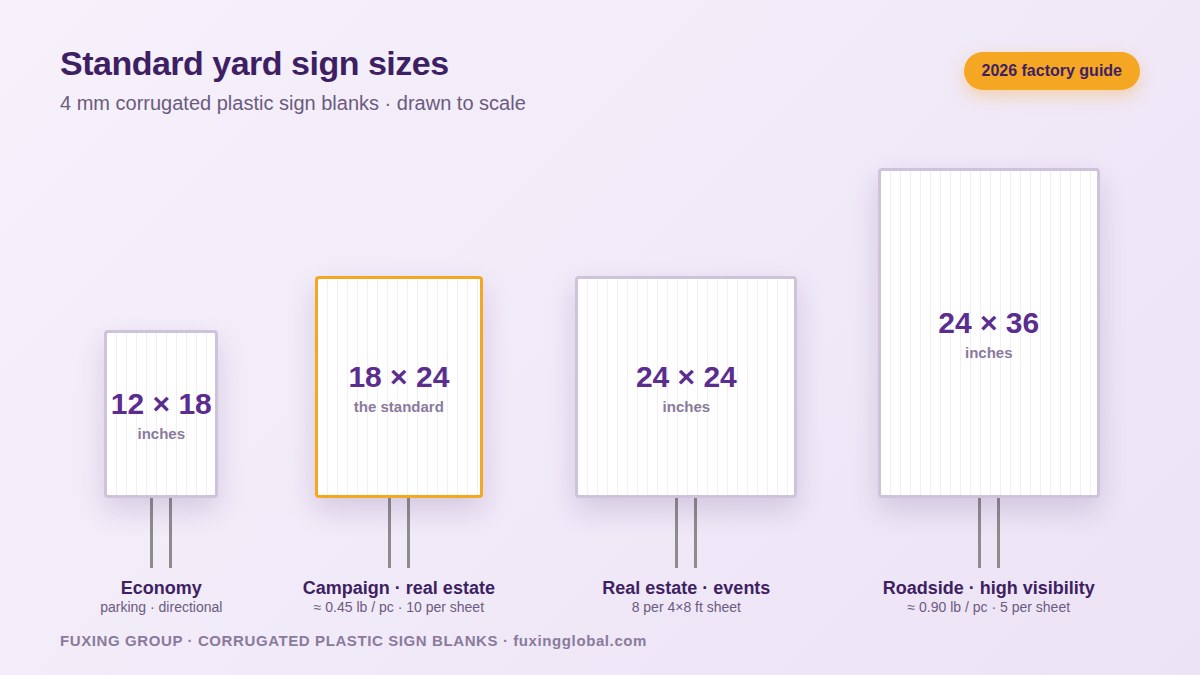
Standard 12x18, 18x24 and 24x36 inch sizes, 4/6/10 mm thickness, weights, cut yields per 4x8 sheet and container quantities for sign shops.
Read guide →
Compare failures, washing, return freight, losses and disposal with measured route inputs instead of fixed reuse or duty assumptions.
Read the comparison →
Official case references and a workflow for checking scope, actual origin, producer/exporter and current entry instructions.
Read analysis →
Flute, ventilation, moisture resistance and stacking checks for the actual banana cold-chain route.
Read guide →
A side-by-side comparison of the five most common fresh produce bag films — clarity, breathability, cost and best-fit crops.
Read guide →
Compare PP and fiberboard with measured trips, failures, washing, returns, losses and disposal instead of a fixed reuse assumption.
Read guide →
From spec sheet to container loading: certifications to ask for, lead times, MOQs, and why sourcing from China, Vietnam and the Philippines together cuts risk.
Read guide →Send the application, dimensions, load, route and destination so our team can respond with the right plant and next-step questions.
Ask an Engineer →