Quick Answer
Table grapes are packed in the field or shed into vented pouch bags — usually a gusseted pouch with a zipper or slider and a die-cut handle — and the bags are placed in a carton that may also carry a perforated liner. The California season starts in the Coachella Valley around mid-May and moves to the San Joaquin Valley from about late June through December, so bags are normally approved in winter and early spring. To quote, a manufacturer needs the bag width × length and gusset, film and gauge, vent pattern, closure, number of variety designs and annual volume.
Table grape bag formats
| Pack | Typical bag | Features | What to specify |
|---|---|---|---|
| Retail pouch | Gusseted pouch with zipper and die-cut handle | Vent holes, clear body or window, printed top band or full print | Width × length + gusset, vent pattern, handle cut |
| Slider or tear-zip pouch | Stand-up pouch | Slider or tear-open strip with reseal zipper | Closure type, tamper evidence |
| Variety and organic programs | Same construction, separate artwork | Colour-coded designs for red, green and black, organic panels | Number of designs and volume split |
| Carton liner | Perforated liner bag for the shipping box | Punched holes, micro-perforation or printed tear guides | Box inner size, perforation, fumigation requirements |
Constructions are examples. Film, vent pattern and closure are confirmed for each SKU on a sample run with your fruit and your cooling and storage process.
Ordering around the North American grape harvest
| Growing region | Main harvest window | What it means for bag orders |
|---|---|---|
| Coachella Valley, California | Roughly mid-May to mid-July | Artwork and samples are normally approved in winter so bags arrive before the desert start |
| Sonora, Mexico | Roughly May to July | Same early window as Coachella; allow for delivery to the packing shed or a U.S. border warehouse |
| San Joaquin Valley, California | Roughly late June to December | The main volume; spring orders with scheduled releases through the season |
Windows shift with weather each year. Production time plus ocean transit from Haiphong is stated in the written quotation for your delivery point.
Importing bags into the United States: Vietnam origin
Bags for U.S. programs are produced at our Haiphong, Vietnam plant. As of November 2026, Vietnam-origin polyethylene packing bags (HTSUS 3923.21) carry the 3% general duty plus the 12.5% Section 301 duty in force since July 24, 2026 — about 15.5% in total. China-origin bags of the same heading carry a further 25% Section 301 duty, about 40.5% in total. Classification depends on the film (polypropylene bags fall under a different subheading) and rates change, so confirm the treatment for your SKU and entry date with your customs broker before you compare landed costs.
Grape bags and liners from our sample room
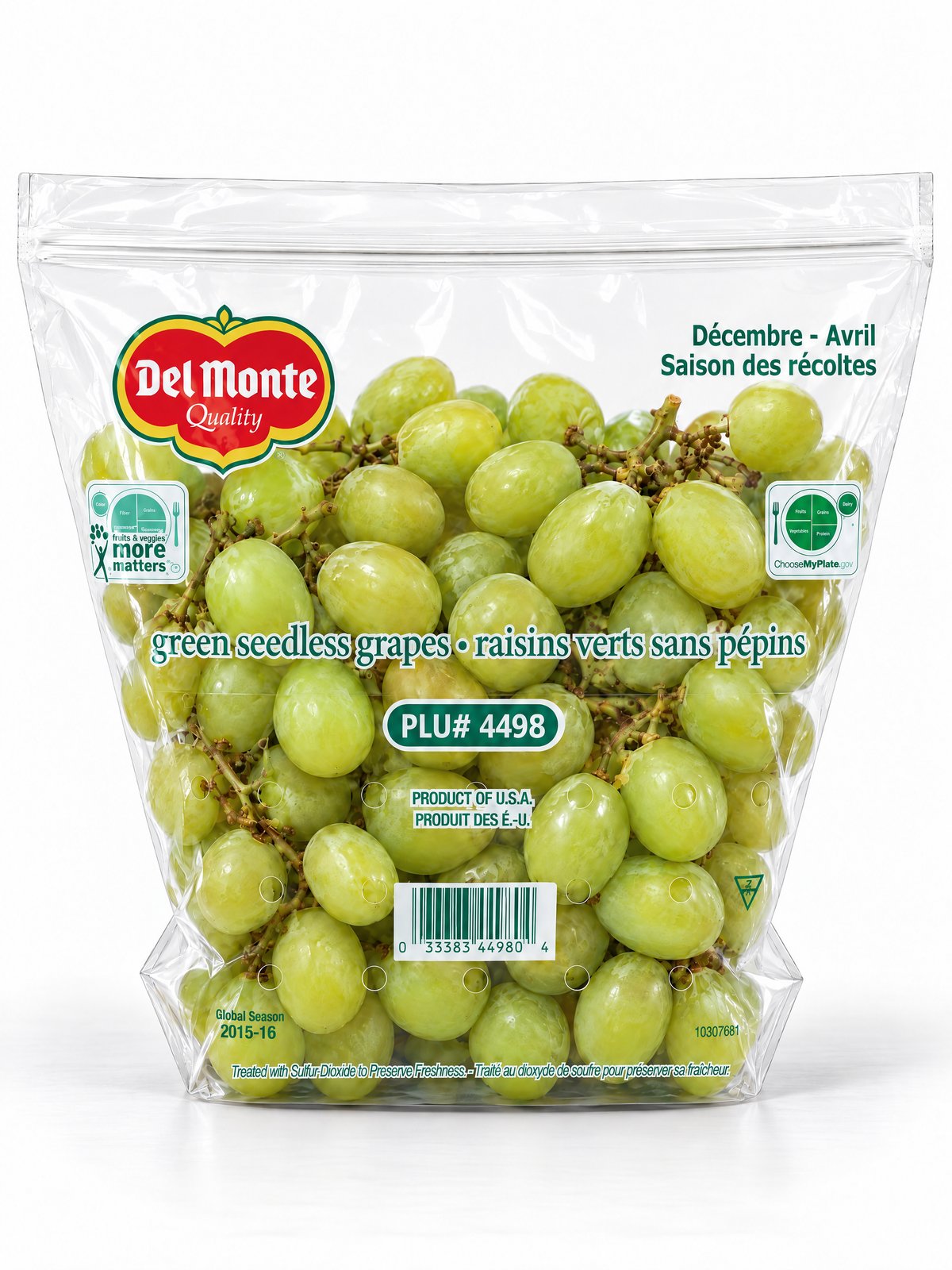
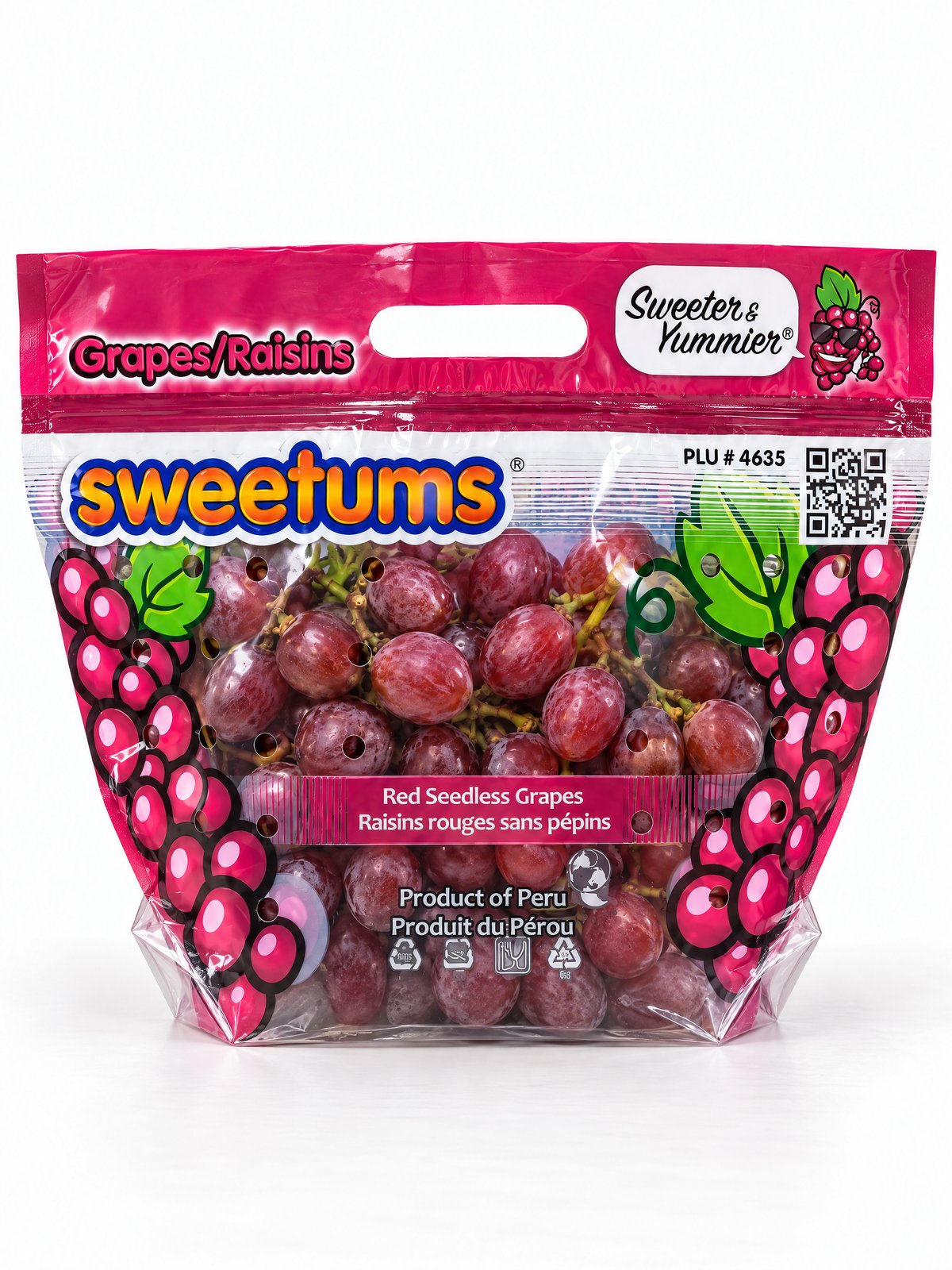
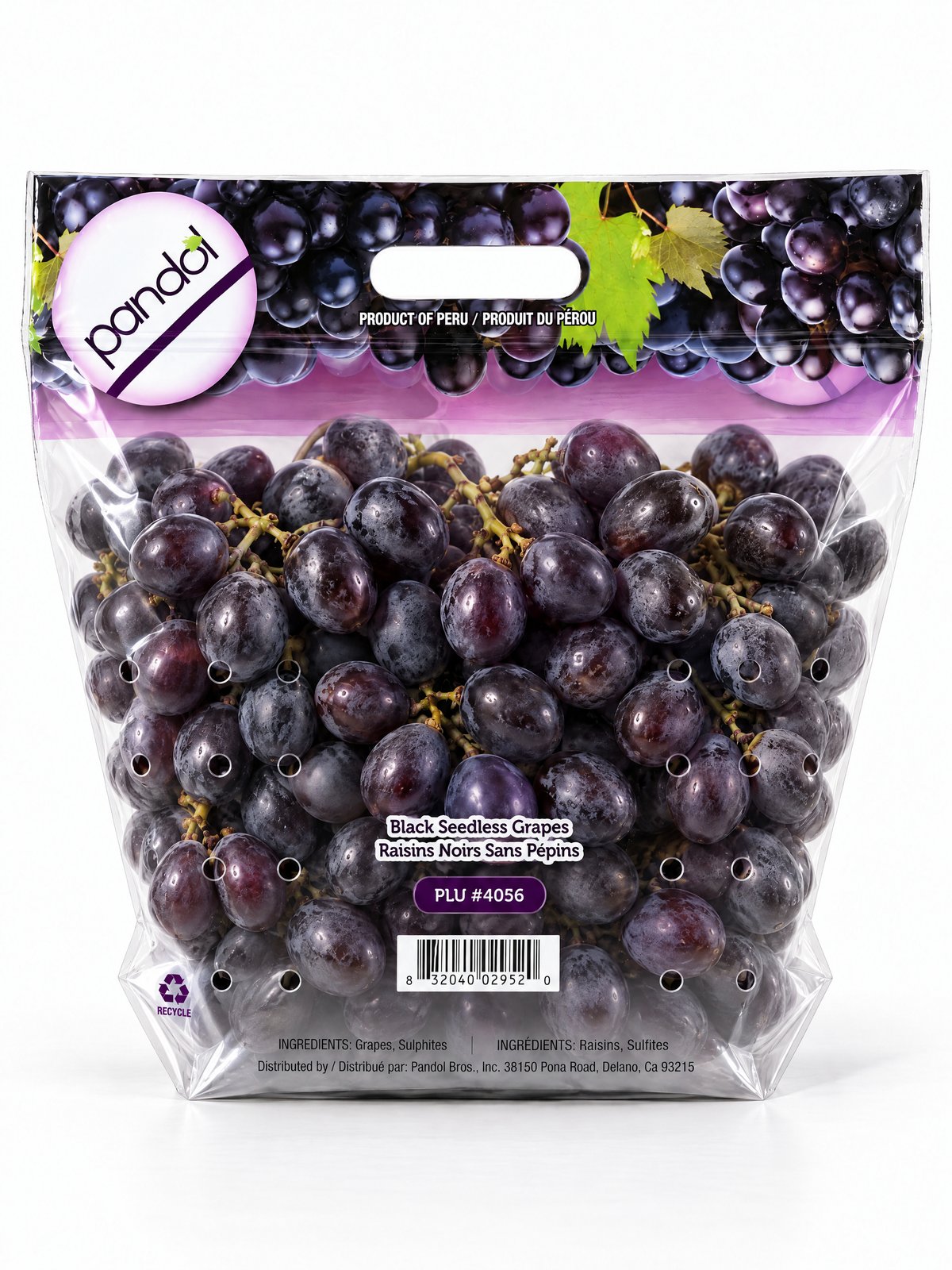
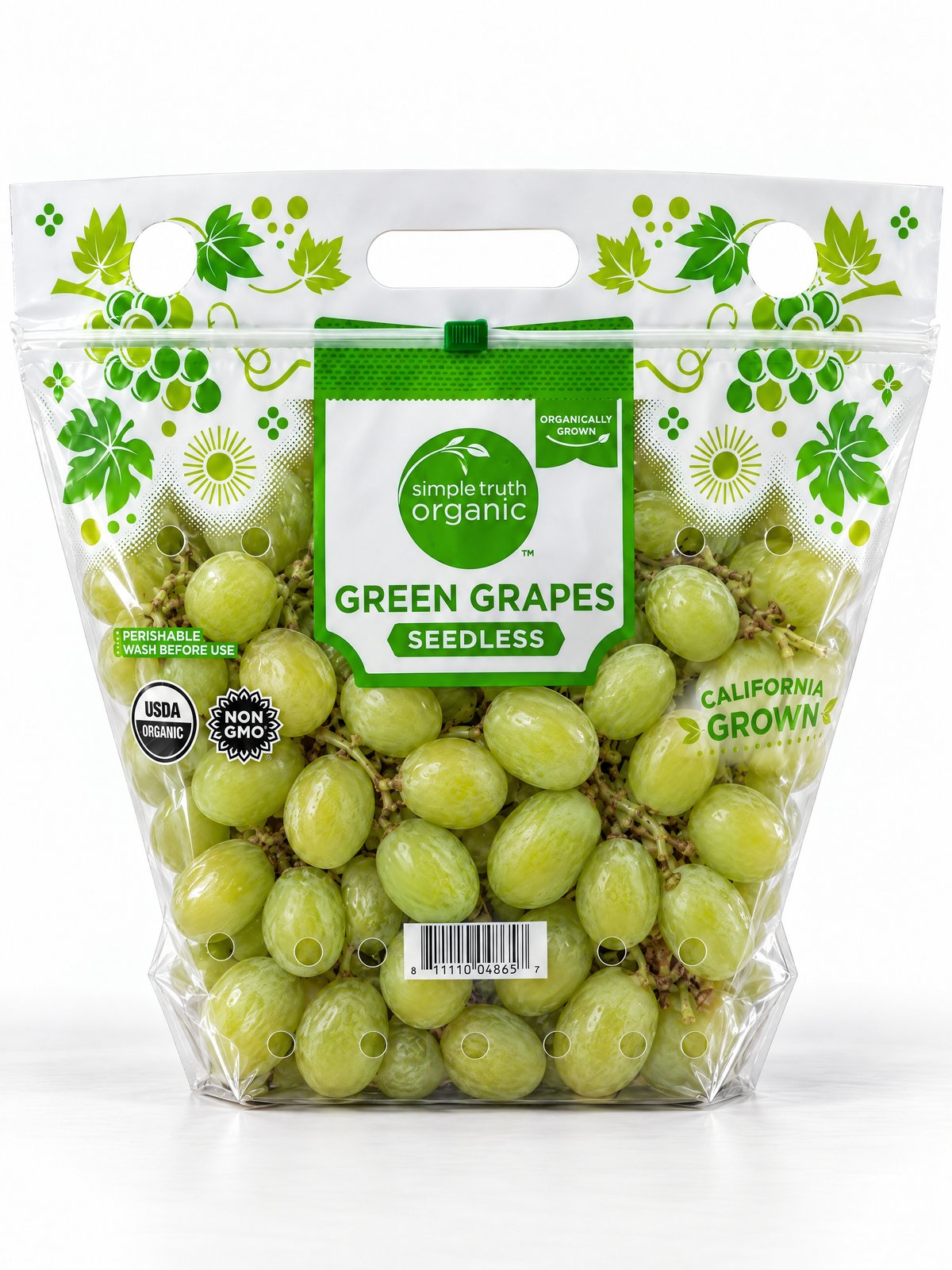
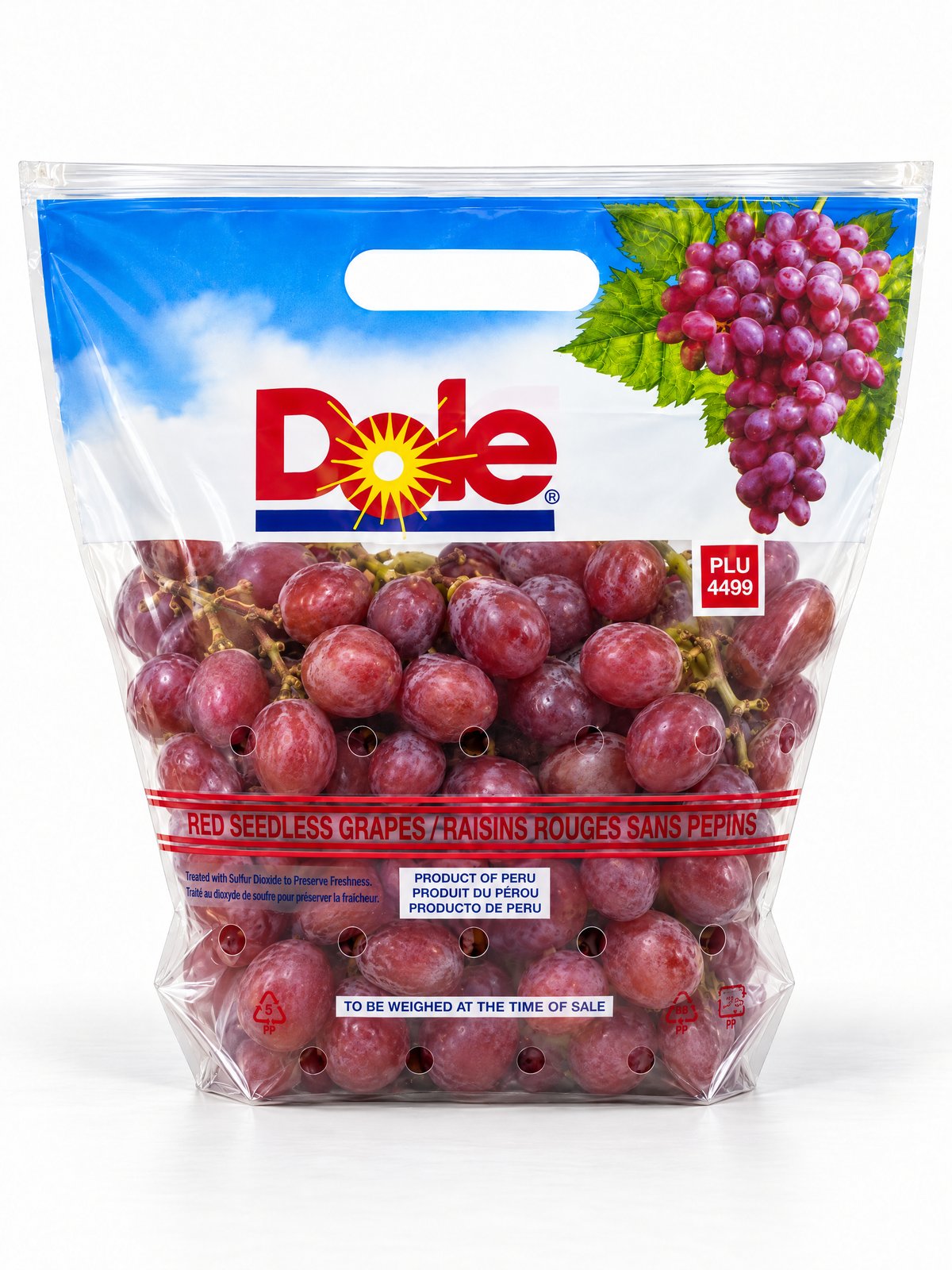
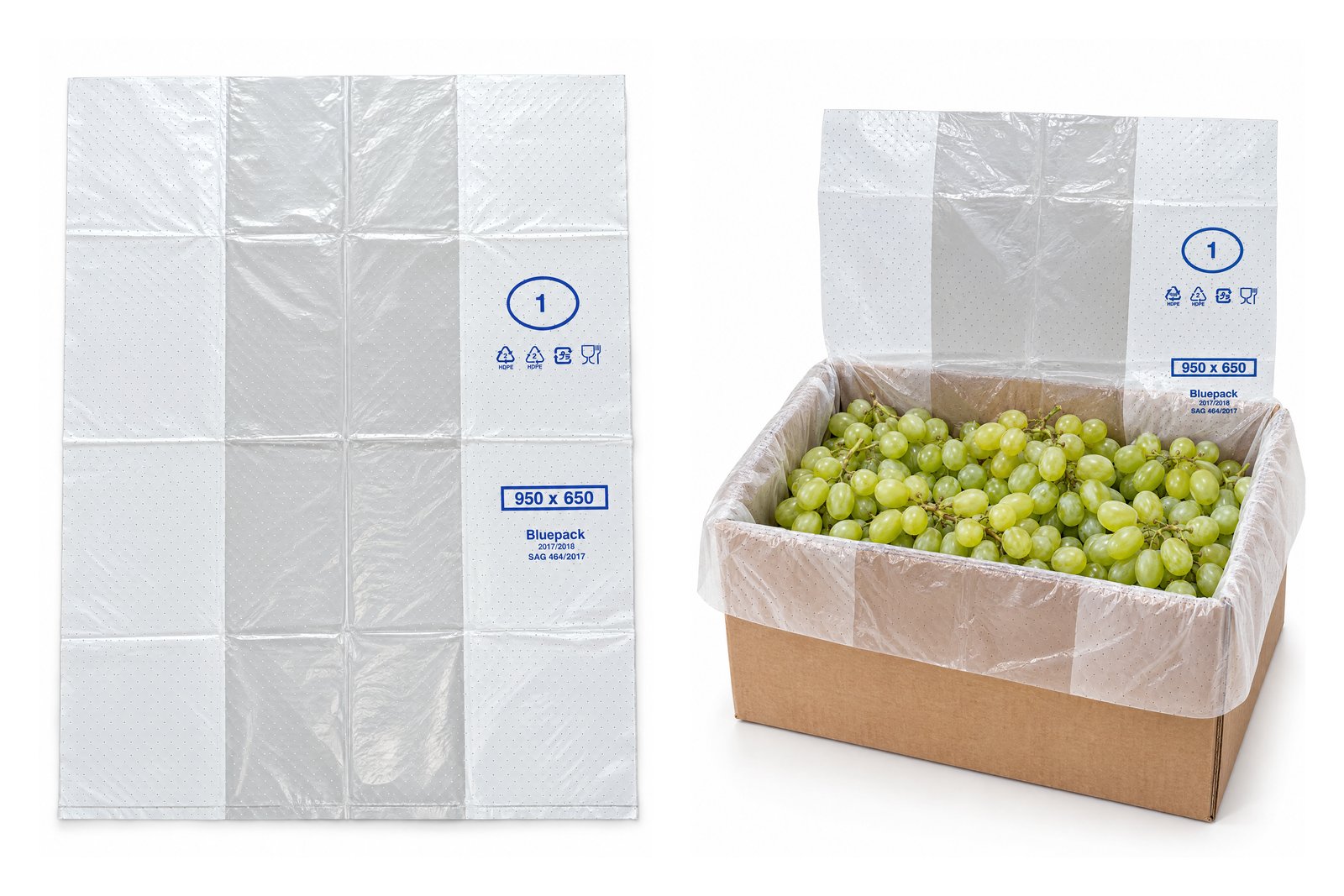
Photos show bag formats and print capability. Brand names and artwork belong to their owners; they are not offered for sale.
What to send for a quote
- Pack: bag style, target fill weight, bags per box and box inner size.
- Bag: flat width × length, gusset, film and gauge — or post us the bag you use now.
- Ventilation: vent hole size, count and pattern, or micro-perforation.
- Closure: slider, press-to-close zipper or tear-zip; handle or hang holes.
- Print: number of colours and designs, artwork files, UPC or PLU.
- Commercial: annual volume, first delivery date, delivery point and Incoterm.
FAQ
What bags are used for table grapes?
When should grape bags be ordered for the California season?
Do you make grape carton liners?
Where are your grape bags made?
What U.S. duty applies to Vietnam-made produce bags?
What is the minimum order and lead time?
Get a quote for your grape bags before the season
Send pack count, bag size or a sample of your current bag, film, closure, print, annual volume and delivery point. The reply states the quote basis, sample options and an achievable schedule.
WhatsApp a Quote Email Us